
7 Essential IVF Tips for Women Seeking Advanced Care

More than ten percent of American women struggle with infertility each year, often facing unique challenges like diminished ovarian reserve or genetic concerns. For women searching for advanced IVF options in the Bahamas, access to personalized treatments and the latest science can make all the difference. This guide explains how understanding your diagnosis and exploring innovative therapies can empower you to take control of your fertility journey.
Table of Contents
Quick Summary
Key Insight | Explanation |
1. Understand Your Fertility Diagnosis | A comprehensive medical evaluation is crucial to identify specific reproductive health challenges and guide treatment options. |
2. Choose an Experienced Clinic | Selecting a clinic with advanced technologies and experienced specialists can greatly enhance your chances of successful conception. |
3. Prioritize Ovarian Health | Lifestyle changes such as improved nutrition and stress management can significantly impact ovarian function and fertility outcomes. |
4. Explore Innovative Therapies | Mitochondrial replacement and stem cell therapies present cutting-edge options for women facing genetic and fertility issues. |
5. Establish Emotional Support Networks | Engaging with counselors and support groups can provide essential emotional resources throughout the fertility treatment process. |
1. Understand Your Fertility Diagnosis and Options
Understanding your fertility diagnosis is the critical first step in navigating the complex world of assisted reproductive technologies. IVF offers hope for women facing challenges in conception, but the journey begins with a comprehensive medical evaluation to pinpoint potential obstacles.
Fertility challenges are more common than many realize. Infertility impacts approximately 10 to 15 percent of couples, with various underlying factors potentially contributing to conception difficulties. A thorough diagnosis involves multiple diagnostic tests and screenings to understand your unique reproductive health landscape.
Your diagnostic process will likely include a comprehensive medical history review, physical examinations, and specialized fertility tests. Reproductive endocrinologists will assess factors such as ovarian reserve, hormone levels, fallopian tube patency, and potential genetic issues. Blood tests, ultrasounds, and advanced imaging techniques help create a detailed picture of your reproductive potential.
Key diagnostic tests may include:
Hormone Panel Testing: Evaluating levels of follicle stimulating hormone (FSH), estradiol, and anti mullerian hormone
Ovarian Reserve Assessment: Determining egg quantity and quality
Genetic Screening: Identifying potential inherited conditions that might impact fertility
Tubal Patency Evaluation: Checking if fallopian tubes are open and functional
Understanding your specific fertility profile enables medical professionals to design a personalized treatment strategy. Some women might benefit from minimally invasive interventions, while others may require more advanced approaches like in vitro fertilization.
Pro tip: Request a comprehensive copy of your fertility diagnostic report and discuss each finding in detail with your reproductive specialist to fully understand your unique reproductive health landscape.
2. Choose a Clinic with Advanced Technology and Experience
Selecting the right fertility clinic can significantly impact your chances of successful conception and a healthy pregnancy. Not all fertility centers are created equal, and the technology, expertise, and approach of your chosen clinic can make a profound difference in your reproductive journey.
Advanced fertility clinics distinguish themselves through cutting-edge technologies and specialized medical expertise. Fertility centers with state-of-the-art laboratories offer sophisticated techniques like preimplantation genetic testing, embryo cryopreservation, and precision diagnostic screening that can dramatically improve treatment outcomes.
When evaluating potential fertility clinics, consider these critical factors:
Technology Capabilities: Look for clinics with advanced embryology laboratories and modern reproductive technologies
Success Rates: Review published pregnancy and live birth rates for your specific age group and fertility challenges
Physician Experience: Seek clinics with board-certified reproductive endocrinologists who specialize in complex fertility treatments
Comprehensive Services: Choose centers offering integrated diagnostic, treatment, and support services
Keystone indicators of an exceptional fertility clinic include specialized protocols, personalized treatment plans, and a holistic approach to patient care. Advanced assisted reproductive technologies can provide targeted interventions that address specific reproductive challenges.
Beyond technical capabilities, consider the clinic’s patient support infrastructure. Comprehensive programs that offer financial counseling, emotional support, and personalized care can significantly reduce the stress associated with fertility treatments.
Pro tip: Request a detailed consultation and tour of potential clinics, preparing a comprehensive list of questions about their technological capabilities, physician expertise, and personalized treatment approaches.
3. Prioritize Ovarian Health Through Lifestyle Changes
Optimal ovarian health is a foundational element in maximizing your fertility potential and preparing for successful IVF treatments. Your lifestyle choices can significantly influence your reproductive capabilities and overall fertility outcomes.
Lifestyle factors play a critical role in supporting ovarian function and reproductive wellness. Understanding how nutrition, stress management, and environmental exposures impact your reproductive health can empower you to make strategic improvements.
Key lifestyle modifications for enhancing ovarian health include:
Nutrition: Focus on whole foods rich in antioxidants, omega-3 fatty acids, and essential micronutrients
Weight Management: Maintain a healthy body mass index to optimize hormonal balance and ovarian function
Stress Reduction: Practice consistent stress management techniques like meditation, yoga, and mindful breathing
Environmental Awareness: Minimize exposure to toxins and endocrine disruptors in your daily environment
For women with diminishing ovarian reserve, personalized lifestyle interventions become even more critical. Research suggests that targeted nutritional support and stress reduction can potentially improve ovarian response during fertility treatments.
**Advanced strategies for ovarian health include exploring stem cell therapies that may support cellular regeneration and improve reproductive potential. These emerging technologies offer promising approaches for women seeking comprehensive fertility optimization.
Pro tip: Develop a comprehensive lifestyle plan with your reproductive specialist that integrates nutrition, stress management, and targeted supplementation to support your ovarian health and fertility journey.
4. Ask About Mitochondrial Replacement Therapy Benefits
Mitochondrial replacement therapy represents a groundbreaking frontier in reproductive medicine for women seeking to prevent genetic mitochondrial disorders. This innovative technique offers hope for individuals with inherited mitochondrial challenges who wish to have healthy biological children.
Mitochondrial replacement therapy is a sophisticated IVF procedure designed to help women with mitochondrial DNA mutations have healthy offspring. The technique involves transferring the intended mother’s nuclear genetic material into a donor egg containing healthy mitochondria, effectively creating an embryo with genetic information from both parents and mitochondrial DNA from a donor.
Key considerations for understanding mitochondrial replacement therapy include:
Genetic Risk Reduction: Prevents transmission of serious mitochondrial diseases
Scientific Innovation: Utilizes advanced reproductive technologies
Personalized Approach: Tailors treatment to individual genetic profiles
Regulatory Compliance: Carefully monitored and regulated medical procedure
The potential benefits extend beyond individual family planning. Pioneering IVF treatments like mitochondrial replacement therapy represent a significant breakthrough in addressing genetic reproductive challenges.
Important questions to ask your reproductive specialist include the procedure’s specific protocols, success rates, genetic screening processes, and potential long term implications for your future child.
Pro tip: Request a comprehensive genetic consultation to thoroughly understand your specific mitochondrial health profile and determine whether mitochondrial replacement therapy might be an appropriate option for your fertility journey.
5. Consider Stem Cell Therapy for Egg Rejuvenation
Stem cell therapy offers a revolutionary approach to addressing fertility challenges, particularly for women experiencing diminished ovarian reserve or age related fertility decline. This cutting edge reproductive technology represents a potential breakthrough in regenerative medicine for fertility treatment.
Stem cell therapies for ovarian rejuvenation provide innovative strategies for restoring and potentially enhancing reproductive function. The approach involves using specialized cellular technologies to promote follicle development, improve hormone production, and potentially regenerate ovarian tissue.
Key aspects of stem cell egg rejuvenation include:
Cellular Regeneration: Stimulating dormant follicle development
Hormone Restoration: Improving endocrine function within ovarian tissue
Personalized Treatment: Tailoring interventions to individual reproductive profiles
Minimal Invasiveness: Offering alternatives to more aggressive fertility interventions
Recent research demonstrates promising developments in reproductive technologies. Innovative fertility research is exploring transformative techniques like somatic cell nuclear transfer, which could potentially create viable eggs from skin cells.
Critical questions to discuss with your reproductive specialist include the specific stem cell protocols, potential success rates, long term implications, and compatibility with your unique reproductive health profile.
Pro tip: Request a comprehensive consultation exploring how stem cell therapies might be customized to address your specific fertility challenges and reproductive goals.
6. Track Your IVF Cycle and Medication Closely
Careful medication management and precise cycle tracking are fundamental to successful IVF outcomes. Your ability to meticulously monitor and adhere to treatment protocols can significantly influence your chances of conception.
IVF treatment involves multiple complex stages requiring synchronized medical interventions and precise timing. Understanding each phase and maintaining rigorous documentation will empower you throughout your fertility journey.
Critical tracking strategies include:
Medication Timing: Consistently administer prescribed medications at exact recommended times
Symptom Monitoring: Document and report any unusual physical or hormonal changes
Appointment Management: Maintain a detailed calendar of ultrasounds, blood tests, and consultations
Injection Technique: Learn proper medication storage and administration protocols
Your tracking system should encompass multiple dimensions including hormonal levels, medication dosages, side effects, and emotional well being. Digital apps or specialized fertility tracking tools can help streamline this process and provide comprehensive documentation for your medical team.
Important practices during IVF include avoiding alcohol, maintaining a consistent sleep schedule, managing stress levels, and communicating openly with your reproductive specialist about any concerns.
Pro tip: Create a dedicated fertility journal or digital tracking system that records medication times, dosages, physical symptoms, and emotional states to provide your medical team with comprehensive insights into your treatment progress.
7. Seek Support and Personalized Counseling Throughout
Navigating fertility treatments requires more than medical expertise it demands robust emotional support and comprehensive psychological resources. The IVF journey is complex and deeply personal, making professional counseling an essential component of your reproductive health strategy.
Support groups provide critical emotional resources for individuals experiencing fertility challenges. These structured environments offer safe spaces to share experiences, validate emotions, and develop effective coping mechanisms during an intensely personal medical process.
Key strategies for emotional support include:
Professional Counseling: Engage with fertility specialized therapists
Peer Support: Connect with individuals experiencing similar journeys
Partner Communication: Maintain open dialogues about emotional experiences
Stress Management: Develop personalized techniques for emotional resilience
Comprehensive support approaches recognize that fertility challenges impact psychological well being beyond medical procedures. Integrating emotional care with medical treatment can significantly improve overall treatment experience and potential outcomes.
IVF emotional considerations demonstrate that structured emotional support does not just improve patient experience but can positively influence treatment trajectories.
Research indicates that patients who proactively seek counseling and support demonstrate greater treatment adherence, reduced anxiety, and more balanced emotional responses throughout their fertility journey.
Pro tip: Create a personalized support network that includes professional counseling, peer support groups, and trusted family members who can provide consistent emotional understanding during your fertility treatment process.
Below is a comprehensive table summarizing the strategies, methodologies, and considerations discussed throughout the article for navigating fertility challenges and treatments.
Topic | Details |
Understanding Fertility Diagnosis | Begin with comprehensive evaluations including hormone panels, ovarian assessments, genetic screenings, and other specialized tests to identify specific reproductive health factors. |
Choosing the Right Clinic | Select clinics featuring advanced technologies, high success rates, experienced physicians, and integrated services for better treatment outcomes. Monitoring a clinic’s approach toward personalized care is also a key consideration. |
Enhancing Ovarian Health | Focus on lifestyle changes such as proper nutrition, stress management, weight management, and reducing environmental toxin exposures to improve ovarian health and overall fertility potential. |
Advanced Techniques | Explore mitochondrial replacement therapy and stem cell strategies for ovarian rejuvenation which represent pioneering medical advancements for tackling genetic challenges and age-related fertility issues. |
Managing IVF Cycle | Accurately track medications, hormones, and treatment phases while maintaining open communication with healthcare providers to optimize the IVF process. |
Emphasizing Emotional Support | Employ professional counseling, participate in support groups, and cultivate strong communication with partners or supportive networks to manage the emotional aspects of fertility treatments effectively. |
This table encapsulates the article’s key takeaways to provide a clear and concise overview for understanding, approaching, and optimizing reproductive treatments and technology choices.
Discover Advanced IVF Solutions Tailored to Your Unique Journey
Facing fertility challenges requires more than hope it demands innovative treatments and expert care that address your specific reproductive needs. This article highlights essential IVF tips such as understanding mitochondrial replacement therapy, stem cell ovarian rejuvenation, and precise cycle tracking to empower your fertility journey. If you are seeking cutting-edge options like Mitochondrial Replacement Therapy or Stem Cell Therapy to improve egg quality and overcome poor ovarian reserve, discovering expert guidance is critical.
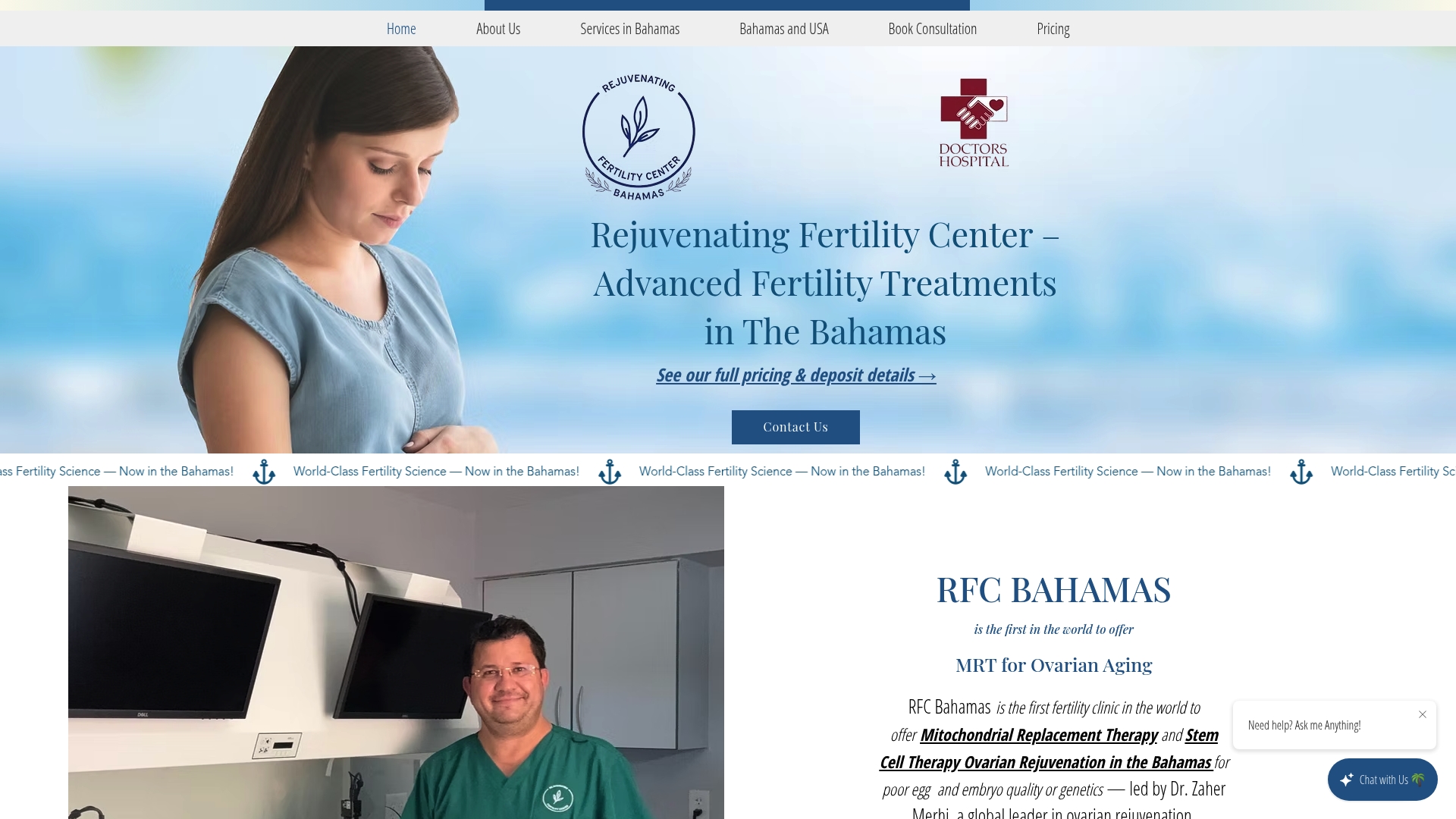
Take control of your fertility journey today by exploring the revolutionary services offered at the Rejuvenating Fertility Center in the Bahamas. Led by Dr. Zaher Merhi, a pioneer in fertility science, our clinic specializes in advanced reproductive technologies designed to maximize your chances of success. Visit https://rfcbahamas.com now to schedule a personalized consultation and learn how innovative IVF treatments and regenerative therapies can give you renewed hope and confidence in your path to parenthood.
Frequently Asked Questions
What tests should I expect during my fertility diagnosis?
You can expect a range of tests, including hormone panel testing, ovarian reserve assessments, and tubal patency evaluations. Schedule an appointment with your reproductive specialist to discuss which tests are right for your unique fertility profile.
How do I choose the right fertility clinic for IVF?
When selecting a fertility clinic, consider their technology capabilities, success rates, and physician experience. Research and compare clinics, and prepare a list of questions to ask during consultations.
What lifestyle changes can improve my ovarian health before IVF?
To enhance your ovarian health, focus on nutrition, weight management, stress reduction, and minimizing environmental toxins. Implement a balanced diet rich in antioxidants and omega-3 fatty acids, and engage in regular stress management activities like yoga or meditation.
What is mitochondrial replacement therapy, and how might it benefit me?
Mitochondrial replacement therapy is an advanced IVF technique that helps prevent the inheritance of mitochondrial disorders. Discuss the eligibility and potential advantages of this therapy with your reproductive specialist to see if it aligns with your family planning goals.
How can stem cell therapy assist with egg rejuvenation during IVF?
Stem cell therapy aims to regenerate ovarian function and improve hormonal levels, potentially leading to better egg quality. Consult with your reproductive specialist about whether this innovative approach is suitable for your specific fertility challenges.
Why is tracking my IVF cycle and medications important?
Careful tracking of your IVF cycle and medications is crucial for optimizing treatment success. Use a dedicated tracking system to monitor medication schedules and symptoms, ensuring timely communication with your medical team about any concerns.
Recommended
Fertility Treatments Bahamas | IVF, MRT & Stem Cells Rejuvenation | RFC
Detoxification Tips for Cancer: Complete Guide - Mahoney inter
Comments