
7 Advanced Fertility Options for Women Over 40

Nearly one in three women over 40 faces diminished ovarian reserve, yet many remain unaware of options beyond traditional American fertility treatments. Modern therapies such as mitochondrial replacement and stem cell technologies are opening new possibilities for international women eager to overcome age related reproductive challenges. This resource breaks down advanced solutions, real clinical advancements, and practical steps so you can make empowered, well informed decisions for your fertility journey.
Table of Contents
Quick Summary
Takeaway | Explanation |
1. Mitochondrial Replacement Therapy can enhance egg quality. | This therapy replaces damaged mitochondrial DNA, potentially improving egg viability in women over 40. |
2. Stem cell therapy may restore ovarian function. | Introducing specialized stem cells into reproductive tissues can stimulate hormone regulation and support follicular development. |
3. Preimplantation genetic testing increases pregnancy success. | By screening embryos for genetic health, this testing helps identify viable embryos and reduces risks of genetic disorders. |
4. Personalized IVF strategies cater to individual needs. | Tailored treatment protocols improve chances for women with poor ovarian reserve by addressing specific reproductive profiles. |
5. Egg freezing extends reproductive options. | This method allows women to preserve eggs at prime quality, providing flexibility against age-related fertility decline. |
1. Mitochondrial Replacement Therapy for Egg Quality
Mitochondrial Replacement Therapy (MRT) represents a groundbreaking approach for women over 40 struggling with diminished egg quality and fertility challenges. This advanced reproductive technique aims to enhance oocyte health by strategically replacing damaged mitochondrial DNA with healthy genetic material.
At the core of MRT is a sophisticated process that targets the microscopic powerhouses within eggs responsible for cellular energy production. As women age, mitochondrial function declines, directly impacting egg quality and reproductive potential. By transferring healthy mitochondrial genetic material, physicians can potentially improve egg viability and increase chances of successful pregnancy.
The therapy involves multiple sophisticated transfer techniques including germinal vesicle, pronuclear, maternal spindle, and polar body transfer. Each method carefully replaces defective maternal mitochondria with robust genetic material either from a donor or the patient’s own cellular reserves. This precision approach offers hope for women experiencing age related fertility challenges.
Research indicates significant potential benefits. Pronuclear transfer methods have demonstrated promising outcomes in recent clinical trials, potentially providing an alternative to traditional egg donation for women desiring genetically related offspring. However, medical professionals emphasize the importance of comprehensive genetic counseling and thorough understanding of potential risks.
Key Considerations for MRT:
Requires advanced genetic screening
Most effective for women with documented mitochondrial dysfunction
Involves complex medical protocols
Potential alternative to traditional egg donation
Pro Tip: Consult reproductive specialists experienced in mitochondrial replacement technologies to understand your specific eligibility and potential treatment pathways.
2. Stem Cell Therapy for Ovarian Rejuvenation
Stem cell therapy represents a groundbreaking frontier in addressing fertility challenges for women over 40, offering potential regeneration of ovarian function through innovative cellular technologies. This advanced reproductive approach aims to restore reproductive potential by leveraging the remarkable regenerative capabilities of specialized cellular treatments.
At the heart of stem cell therapy lies the remarkable ability to generate new reproductive cells from pluripotent stem sources. By introducing mesenchymal stem cells into reproductive tissues, physicians can potentially stimulate follicular development, hormone regulation, and overall ovarian health.
Mesenchymal stem cell transplantation shows particular promise for women experiencing premature ovarian failure. Scientific research demonstrates significant potential in restoring hormonal balance and increasing follicular development. Preclinical studies in animal models have revealed remarkable improvements in reproductive hormone levels and follicle numbers.
Key Benefits of Stem Cell Ovarian Rejuvenation:
Potential restoration of hormonal balance
Possible increase in viable follicle count
Non invasive regenerative approach
Alternative to traditional fertility treatments
Potential Applications:
Treating premature ovarian failure
Addressing age related fertility decline
Supporting women with diminished ovarian reserve
Exploring regenerative reproductive medicine
Pro Tip: Consult specialized reproductive endocrinologists who have direct experience with stem cell therapies to understand your specific candidacy and potential treatment outcomes.
3. Preimplantation Genetic Testing for Healthy Embryos
Preimplantation genetic testing represents a sophisticated diagnostic approach enabling women over 40 to maximize their chances of successful pregnancy by identifying genetically healthy embryos before implantation. This advanced screening technique provides unprecedented insight into embryonic genetic potential before transferring into the uterus.
The procedure involves three primary genetic screening methodologies: Preimplantation Genetic Testing for Aneuploidy (PGT-A), Preimplantation Genetic Testing for Monogenic Disorders (PGT-M), and Preimplantation Genetic Testing for Structural Rearrangements (PGT-SR). Comprehensive genetic screening techniques allow physicians to evaluate chromosomal integrity and detect potential genetic abnormalities with remarkable precision.
For women over 40 experiencing higher risks of chromosomal irregularities, PGT offers a critical opportunity to understand and mitigate genetic challenges. Advanced diagnostic capabilities enable detection of complex genetic variations that traditional screening methods might overlook.
Key Advantages of Preimplantation Genetic Testing:
Identifies potential chromosomal abnormalities
Reduces risks of genetic disorders
Increases pregnancy success rates
Provides detailed genetic insights
Screening Categories:
PGT-A: Chromosomal abnormality screening
PGT-M: Specific genetic disorder detection
PGT-SR: Structural genetic rearrangement identification
Pro Tip: Consult a reproductive genetic specialist to understand your specific genetic screening options and develop a personalized testing strategy tailored to your individual reproductive health profile.
4. Personalized IVF Strategies for Poor Ovarian Reserve
Personalized IVF strategies represent a revolutionary approach for women over 40 with diminished ovarian reserve, offering tailored treatments that maximize reproductive potential through precise medical interventions. These customized protocols address the unique challenges faced by patients with limited egg quantity and quality.
Traditional IVF approaches often fail to accommodate the specific needs of women experiencing poor ovarian response. Innovative treatment stratification techniques now enable physicians to develop highly individualized stimulation protocols based on detailed patient assessment. The POSEIDON criteria have emerged as a critical framework for classifying and managing patients with challenging reproductive profiles.
Natural cycle IVF strategies provide an alternative approach that can be particularly effective for women with limited ovarian reserve. By minimizing pharmaceutical intervention and focusing on the most promising follicular development, these personalized protocols offer a more targeted and potentially less invasive fertility treatment option.
Key Components of Personalized IVF:
Comprehensive ovarian reserve assessment
Customized stimulation protocols
Precise medication dosage adjustment
Individualized embryo transfer strategies
Personalization Factors:
Patient age
Previous fertility treatment responses
Specific hormonal profile
Genetic considerations
Pro Tip: Request a comprehensive reproductive assessment that includes detailed genetic screening and ovarian reserve markers to develop the most effective personalized IVF strategy for your unique reproductive profile.
5. Egg Freezing for Future Fertility Planning
Egg freezing emerges as a strategic fertility preservation method for women over 40 seeking to extend their reproductive timeline and protect against age related reproductive decline. This innovative approach allows women to essentially pause their biological clock and create future opportunities for parenthood.
Oocyte preservation strategies have significantly advanced, providing women with unprecedented control over their reproductive choices. The process involves carefully extracting and cryogenically preserving high quality eggs at a woman’s reproductive peak, creating a biological insurance policy against future fertility challenges.
The decision to pursue egg freezing involves carefully weighing multiple personal and medical considerations. Complex decisional factors include financial investment, emotional readiness, and understanding potential success rates. Women must consider their long term reproductive goals and current life circumstances when evaluating this option.
Key Considerations for Egg Freezing:
Optimal age for egg extraction
Number of eggs recommended for preservation
Financial investment required
Medical screening and evaluation
Potential Benefits:
Extends reproductive window
Provides reproductive flexibility
Reduces age related fertility pressure
Offers biological family planning options
Pro Tip: Schedule comprehensive fertility consultations to develop a personalized egg freezing strategy that aligns with your specific reproductive goals and medical profile.
6. Donor Egg and Embryo Solutions
Donor egg and embryo solutions represent a powerful reproductive option for women over 40 experiencing significant fertility challenges. These advanced reproductive technologies offer a pathway to parenthood when biological fertility has significantly diminished.
Transnational gamete donation programs have emerged as a sophisticated solution for women seeking to expand their families. These programs provide carefully screened donor eggs and embryos, offering hope and high success rates for individuals unable to conceive using their own reproductive materials.
Comprehensive donor screening protocols ensure the medical and psychological suitability of both donors and recipients. The process involves rigorous medical evaluations, genetic testing, psychological counseling, and informed consent procedures to protect the interests of all parties involved.
Key Considerations for Donor Solutions:
Thorough medical screening
Genetic compatibility assessment
Psychological counseling requirements
Legal and ethical considerations
Potential Benefits:
High pregnancy success rates
Access to younger donor eggs
Expanded reproductive possibilities
Comprehensive medical support
Pro Tip: Engage with specialized reproductive counselors to navigate the emotional and medical complexities of donor egg and embryo solutions, ensuring a comprehensive understanding of the process.
7. Integrative Hormonal Support and Monitoring
Integrative hormonal support represents a sophisticated approach to fertility management for women over 40, utilizing advanced monitoring techniques to optimize reproductive potential. This comprehensive strategy combines precise hormonal tracking with personalized medical interventions to enhance fertility outcomes.
Global hormone monitoring techniques have revolutionized reproductive medicine by enabling clinicians to track critical hormonal markers like estradiol and progesterone with unprecedented accuracy. These measurements allow for real-time adjustments to fertility treatments, minimizing risks and maximizing potential success.
Minimally invasive biosensor technologies are transforming hormone tracking by providing continuous, in-situ monitoring of luteinizing hormone, progesterone, and estradiol. These advanced diagnostic tools reduce the need for frequent invasive blood draws while offering more comprehensive and personalized reproductive health insights.
Key Components of Hormonal Monitoring:
Comprehensive hormone panel assessment
Real-time treatment adjustments
Personalized fertility protocol development
Risk mitigation strategies
Monitoring Benefits:
Enhanced treatment precision
Reduced medical intervention risks
Improved reproductive outcome predictions
Individualized care approach
Pro Tip: Request a comprehensive hormonal baseline assessment and discuss continuous monitoring options with your reproductive endocrinologist to develop the most effective personalized fertility strategy.
Below is a detailed table summarizing the innovative reproductive therapies and technologies discussed in the article, each offering insights into strategies for addressing fertility challenges faced by women over 40.
Therapy/Technology | Description | Key Benefits |
Mitochondrial Replacement Therapy (MRT) | Replacement of defective mitochondrial DNA to improve egg quality | Enhanced embryo viability and increased pregnancy success |
Stem Cell Therapy for Ovarian Rejuvenation | Utilizing stem cells to regenerate ovarian functionality | Restored hormone balance and increased follicular development |
Preimplantation Genetic Testing | Screening fertilized embryos for genetic abnormalities | Reduced genetic risks and improved pregnancy rates |
Personalized IVF Strategies | Individualized protocols for IVF considering patient-specific factors | Optimized follicular response and tailored reproductive treatments |
Egg Freezing | Cryopreserving eggs for future reproductive usage | Extended reproductive options and flexibility in family planning |
Donor Egg and Embryo Solutions | Usage of donated reproductive cells to address significant infertility problems | Increased chances of successful pregnancy and access to healthy genetic material |
Integrative Hormonal Support | Advanced methods for monitoring and regulating reproductive hormones | Improved treatment precision and personalized fertility management |
This table encapsulates the central approaches and their respective advantages, aiding specialized healthcare professionals and patients in exploring potential fertility enhancing pathways.
Discover Advanced Fertility Solutions Designed for Women Over 40
Women over 40 face unique fertility challenges such as diminished egg quality, poor ovarian reserve, and genetic risks that can feel overwhelming. The article highlights cutting-edge options like Mitochondrial Replacement Therapy, Stem Cell Therapy for ovarian rejuvenation, personalized IVF strategies, and preimplantation genetic testing. These treatments aim to improve egg viability, restore hormonal balance, and increase pregnancy success rates — goals that resonate deeply with your desire for a healthy, lasting pregnancy.
At Rejuvenating Fertility Center, we specialize in these advanced reproductive technologies led by Dr. Zaher Merhi, a pioneer in fertility science. Our tailored approach includes state-of-the-art treatments such as Mitochondrial Replacement Therapy and Stem Cell Therapy for ovarian rejuvenation, designed to tackle the exact fertility hurdles women over 40 encounter. Combining personalized IVF protocols with comprehensive genetic screening, we help unlock your best chances at parenthood.
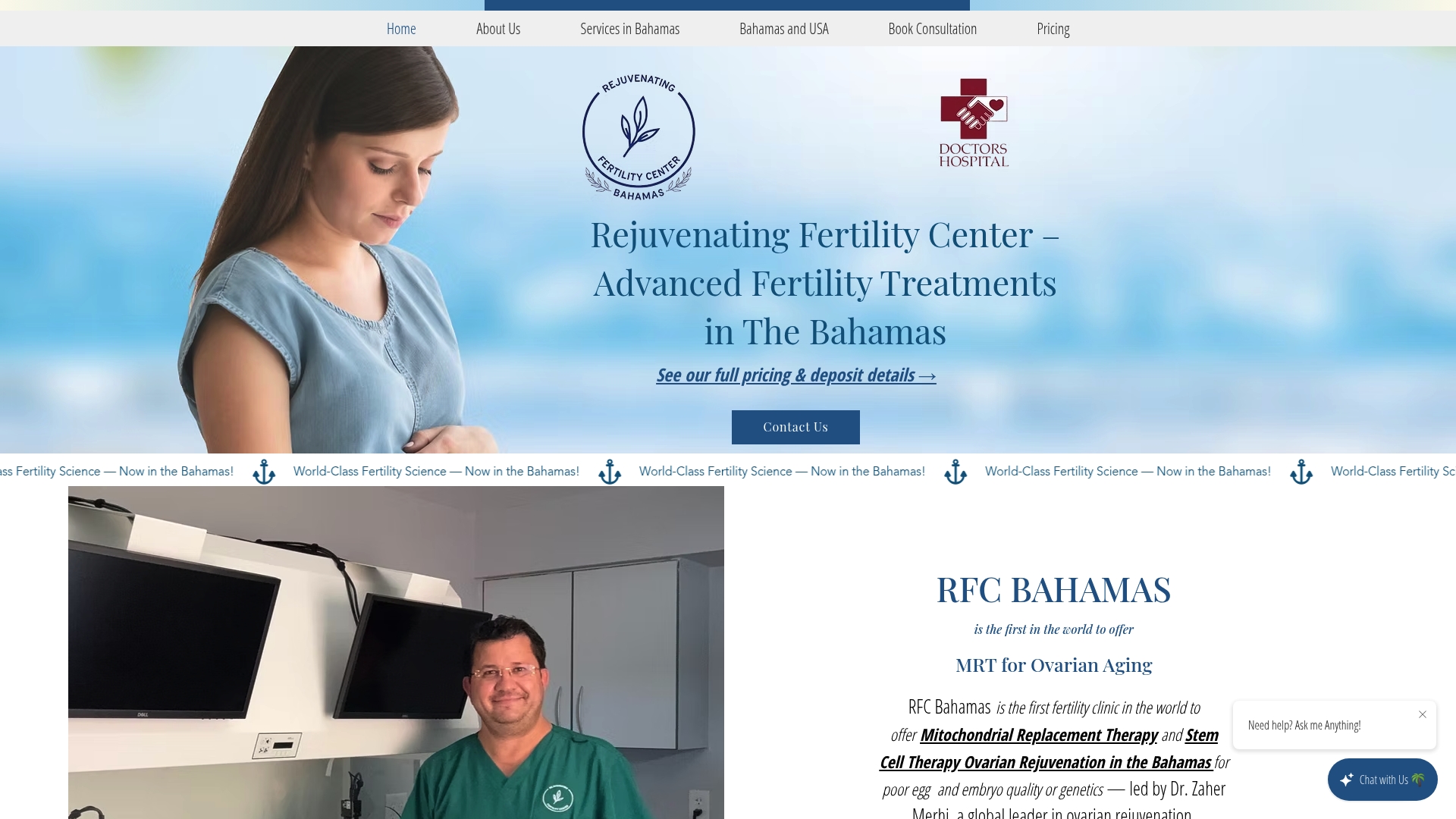
Take the next step toward reclaiming your fertility journey with confidence and expert care. Visit Rejuvenating Fertility Center now to schedule a consultation and explore personalized treatment options that align with your reproductive goals. Don’t wait — innovative fertility solutions tailored to your unique needs are available today.
Frequently Asked Questions
What is Mitochondrial Replacement Therapy and how can it help women over 40?
Mitochondrial Replacement Therapy (MRT) involves replacing damaged mitochondrial DNA in eggs to enhance egg quality. To explore this option, consult with a reproductive specialist who can evaluate your mitochondrial health and discuss eligibility.
How does Stem Cell Therapy work for ovarian rejuvenation in women over 40?
Stem Cell Therapy uses mesenchymal stem cells to potentially restore ovarian function and hormone balance. Schedule a consultation with a reproductive endocrinologist who specializes in stem cell treatments to assess your individual situation.
What are the benefits of Preimplantation Genetic Testing for women trying to conceive over 40?
Preimplantation Genetic Testing identifies healthy embryos before implantation, reducing the risks of genetic disorders and improving pregnancy success rates. Discuss your options with a fertility specialist to determine if this testing is right for you based on your overall reproductive health.
How can personalized IVF strategies improve outcomes for women with poor ovarian reserve?
Personalized IVF strategies tailor treatment protocols to address the unique needs of women with low egg quantity or quality. Reach out to a fertility clinic that employs these strategies and request a comprehensive assessment to develop a plan that fits your reproductive goals.
What are the key factors to consider when deciding on egg freezing?
Important factors include your optimal age for egg extraction, the number of eggs to freeze, and the financial investment required for the process. Schedule a detailed consultation with a fertility expert to evaluate your situation and create an informed plan for egg freezing.
How do donor egg and embryo solutions work for women over 40?
Donor egg and embryo solutions enable women with diminished fertility to achieve pregnancy using younger, pre-screened donor materials. To learn more, contact a fertility clinic to discuss the screening processes and success rates of donor options available to you.
Recommended
Comments