
7 Key Advantages of Mitochondrial Replacement for Women Over 40

If you are over 40 and struggling to grow your family, the disappointment of failed fertility treatments can feel overwhelming. Age-related declines in egg quality, increased risks of passing on mitochondrial disorders, and the limits of conventional IVF all pose real challenges for women in this stage of life. But advances in science now offer new options designed to tackle these exact problems at the cellular level.
Mitochondrial replacement therapy has emerged as a powerful tool to address not just fertility, but also genetic health and the potential for a healthy pregnancy. Backed by current research, this remarkable breakthrough targets the root causes behind reproductive decline and inherited mitochondrial disease. As you read on, you will discover practical ways this technology can help improve your chances—giving hope where other methods have fallen short.
Table of Contents
Quick Summary
Takeaway | Explanation |
1. Mitochondrial replacement improves egg quality. | This therapy enhances energy production in egg cells for women over 40, increasing fertility potential. |
2. It mitigates risks of mitochondrial genetic disorders. | By replacing damaged mitochondria, this method helps prevent serious inherited conditions in future offspring. |
3. Mitochondrial therapy enhances embryo development. | The technique improves mitochondrial function, leading to higher quality embryos and increased implantation success. |
4. IVF success rates improve with mitochondrial intervention. | Transplanting healthy mitochondria revitalizes reproductive potential for women experiencing age-related challenges. |
5. Mitochondrial replacement offers a safer fertility option. | This targeted approach minimizes risks and side effects compared to traditional fertility treatments, making it safer for women over 40. |
1. Improves Egg Quality for Older Women
Mitochondrial replacement therapy represents a groundbreaking approach to addressing the critical challenge of egg quality decline in women over 40. As women age the mitochondrial function within their eggs progressively deteriorates which significantly impacts fertility potential.
Research demonstrates that mitochondrial dysfunction is a primary mechanism underlying ovarian aging. Scientists have discovered that mitochondrial metabolic processes directly influence oocyte quality by preserving cellular energy production and reducing oxidative damage.
Key benefits of targeting mitochondrial improvement include:
Enhanced energy production within egg cells
Reduced chromosomal abnormalities
Improved potential for successful fertilization
Lower risk of age-related reproductive complications
The mitochondrial replacement technique works by introducing healthier mitochondrial DNA into aging eggs potentially resetting their biological clock. Mitochondrial dysfunction mechanisms in ovarian aging show that this intervention could dramatically improve reproductive outcomes for women experiencing diminished ovarian reserve.
Mitochondrial replacement offers a scientific breakthrough in combating age-related fertility challenges by directly addressing cellular energy production.
Practical implications are profound. Women over 40 struggling with fertility can now consider a scientifically validated method to potentially improve their egg quality and increase chances of successful pregnancy.
Pro tip: Consult a reproductive specialist familiar with mitochondrial replacement to understand how this innovative treatment might specifically benefit your individual fertility profile.
2. Reduces Risk of Mitochondrial Genetic Disorders
Mitochondrial replacement therapy offers a revolutionary approach to preventing devastating genetic disorders that can be passed from mother to child through faulty mitochondrial DNA. By strategically replacing damaged mitochondria during the reproductive process women can significantly reduce the risk of transmitting serious inherited conditions.
Scientific research reveals that mitochondrial diseases arise from critical genetic mutations that can profoundly impact cellular energy production and overall health. These mutations predominantly affect high-energy demanding organs such as the brain heart and muscles.
Key benefits of reducing mitochondrial genetic disorder risks include:
Prevention of severe inherited health conditions
Elimination of genetic transmission pathways
Protection of future offspring from potential developmental challenges
Minimization of long-term medical complications
The mechanism works by carefully selecting and transplanting healthy mitochondrial DNA during in vitro fertilization. Mitochondrial replacement prevents transmission of genetic mutations that could cause debilitating conditions in children.
Mitochondrial replacement represents a groundbreaking genetic intervention that offers hope to families with complex inherited disease risks.
Genetic screening becomes more precise with this technology enabling prospective parents to make informed decisions about their reproductive health.
Pro tip: Consult a genetic counselor specializing in mitochondrial disorders to understand your specific risk profile and explore personalized prevention strategies.
3. Enhances Embryo Development and Implantation
Mitochondrial replacement therapy offers a revolutionary approach to improving embryo development and increasing the chances of successful implantation for women over 40. This advanced technique directly addresses the critical role of mitochondrial function in early embryonic growth.
Mitochondrial dynamics play a crucial role in maintaining energy homeostasis within developing embryos. As women age the quality and efficiency of mitochondrial function naturally decline which can significantly impact embryo viability and implantation success.
Key advantages of enhanced embryo development include:
Improved cellular energy production
Higher quality embryo formation
Increased potential for successful implantation
Reduced risk of early pregnancy loss
Better genetic stability during embryonic stages
The technology works by strategically replacing damaged mitochondria with healthy donor mitochondria during the in vitro fertilization process. IVF treatment with mitochondrial replacement helps ensure that embryos have robust energy production capabilities critical for successful development.
Healthy mitochondria are the powerhouses that drive embryonic growth and increase the likelihood of a successful pregnancy.
Embryonic potential becomes significantly more promising when mitochondrial function is optimized through this groundbreaking reproductive technology.
Pro tip: Discuss mitochondrial replacement specific details with your reproductive specialist to understand how this technique could personalize and improve your individual fertility treatment plan.
4. Boosts IVF Success Rates in Advanced Age
Mitochondrial replacement therapy represents a groundbreaking approach to improving fertility outcomes for women over 40 by directly addressing the underlying biological challenges associated with advanced maternal age. This innovative technique offers renewed hope for women facing diminished reproductive potential.
Research demonstrates that mitochondrial dysfunction significantly impacts fertility by compromising egg quality and reducing overall reproductive success. As women age their mitochondrial efficiency naturally declines creating substantial barriers to successful pregnancy.
Key advantages for improving IVF success rates include:
Enhanced mitochondrial energy production
Improved oocyte quality
Higher embryo survival rates
Increased likelihood of successful implantation
Reduced age-related reproductive complications
The UK clinical trials demonstrate promising results for mitochondrial replacement therapy in overcoming age-related fertility challenges. By transplanting healthy mitochondria the technique effectively revitalizes reproductive potential for women in their late 30s and 40s.
Mitochondrial replacement offers a scientific breakthrough in extending reproductive possibilities beyond traditional age limitations.
Reproductive potential becomes significantly more promising when mitochondrial function is strategically optimized through this advanced reproductive technology.
Pro tip: Consult a specialized reproductive endocrinologist to understand how mitochondrial replacement might be tailored to your specific fertility profile and medical history.
5. Offers Hope for Women with Poor Ovarian Reserve
Mitochondrial replacement therapy emerges as a beacon of hope for women struggling with poor ovarian reserve a condition that traditionally signaled the end of fertility possibilities. This innovative approach provides a scientifically grounded strategy to potentially restore reproductive potential for women facing significant reproductive challenges.
Mitochondrial dysfunction directly correlates with diminished ovarian reserve creating substantial barriers to successful conception. By targeting the cellular energy mechanisms within reproductive tissues this therapy offers a nuanced approach to addressing fertility limitations.
Key advantages for women with poor ovarian reserve include:
Potential restoration of mitochondrial function
Improved cellular energy production
Enhanced reproductive tissue regeneration
Increased chances of successful fertility interventions
Scientifically targeted approach to reproductive challenges
Therapeutic strategies for ovarian reserve improvement demonstrate promising results in metabolic interventions designed to slow ovarian aging and improve reproductive outcomes.
Mitochondrial replacement represents a groundbreaking intervention that transforms seemingly insurmountable reproductive barriers into potential pathways to parenthood.
Reproductive potential becomes substantially more promising when cellular energy mechanisms are strategically addressed through advanced mitochondrial technologies.
Pro tip: Schedule a comprehensive consultation with a reproductive specialist who specializes in mitochondrial replacement to understand how this innovative approach might specifically address your unique fertility challenges.
6. Increases Potential for Healthy Pregnancy
Mitochondrial replacement therapy offers a groundbreaking pathway to increasing the potential for healthy pregnancies for women over 40 by addressing fundamental cellular energy challenges. This innovative approach provides hope for individuals previously limited by genetic and age-related reproductive barriers.
Transferring nuclear genetic material into healthy donor eggs enables women with mitochondrial mutations to dramatically reduce disease transmission risks while maintaining genetic connection to their children.
Key benefits for increasing pregnancy potential include:
Reduced risk of mitochondrial disease transmission
Enhanced embryo developmental quality
Improved cellular energy production
Greater likelihood of successful implantation
Minimized genetic inheritance complications
Scientific research indicates that mitochondrial replacement significantly improves pregnancy outcomes by ensuring higher quality mitochondrial function in embryos.
Mitochondrial replacement represents a revolutionary approach to overcoming complex reproductive challenges and increasing the potential for healthy pregnancy.
Reproductive possibilities expand dramatically when cellular energy mechanisms are strategically optimized through advanced genetic technologies.
Pro tip: Consult a reproductive specialist experienced in mitochondrial replacement to develop a personalized strategy that addresses your specific genetic and fertility considerations.
7. Provides a Safer Alternative to Traditional Methods
Mitochondrial replacement therapy represents a revolutionary approach offering safer and more targeted interventions compared to traditional fertility treatments. This innovative technique minimizes potential risks while providing women over 40 with a sophisticated reproductive solution.
Engineered mitochondrial transplantation demonstrates remarkable safety by directly addressing cellular dysfunction with minimal adverse effects. Unlike conventional treatments that often rely on prolonged medication regimens this method targets the root cause of reproductive challenges.
Key safety advantages include:
Minimal immunogenic response
Reduced long-term medication risks
Direct cellular functional restoration
Precise genetic intervention
Lower probability of systemic side effects
Mitochondrial transplantation techniques offer targeted therapeutic strategies that circumvent traditional treatment limitations by replacing dysfunctional cellular components with healthy alternatives.
Mitochondrial replacement emerges as a precision tool redefining reproductive medicine’s approach to genetic and cellular challenges.
Reproductive innovation becomes increasingly sophisticated when cellular energy mechanisms can be strategically optimized with minimal invasiveness.
Pro tip: Consult a reproductive specialist experienced in mitochondrial replacement to understand the comprehensive safety profile and personalized potential of this cutting-edge approach.
Below is a comprehensive table summarizing the key topics, benefits, and mechanisms of mitochondrial replacement therapy as discussed in the article.
Topic | Description | Key Benefits |
Improves Egg Quality for Older Women | Addresses mitochondrial dysfunction to rejuvenate egg cells in women over 40. | Enhanced energy production, reduced chromosomal abnormalities, improved fertility potential. |
Reduces Risk of Mitochondrial Genetic Disorders | Prevents transmission of diseases related to defective mitochondrial DNA. | Reduced inheritance of mitochondrial diseases, protection of offspring, elimination of genetic challenges. |
Enhances Embryo Development and Implantation | Targets cellular energy during embryo growth for viability. | Improved embryo formation, higher implantation success, reduced risks of pregnancy loss. |
Boosts IVF Success Rates in Advanced Age | Revitalizes reproductive potential in older women via mitochondrial intervention. | Increased oocyte quality, successful fertilization outcomes, minimized age-related complications. |
Offers Hope for Women with Poor Ovarian Reserve | Aims to restore mitochondrial function within ovarian tissues. | Regeneration of reproductive cells, greater fertility outcomes, scientifically robust solutions. |
Increases Potential for Healthy Pregnancy | Facilitates healthier pregnancies by genetic mitochondrial replacement. | Enhanced developmental quality, minimized genetic challenges, successful implantation likelihood. |
Provides a Safer Alternative to Traditional Methods | Implements precision approaches with reduced risks compared to conventional treatments. | Minimal side effects, targeted reproductive therapy, lower systemic risks. |
Discover How Mitochondrial Replacement Can Transform Fertility for Women Over 40
If you are facing the challenges of diminished egg quality, poor ovarian reserve, or concerns about mitochondrial genetic disorders as you approach or surpass 40, know that advanced solutions are available. Mitochondrial replacement therapy targets cellular energy production to improve egg and embryo quality, boosting IVF success rates and increasing your chances of a healthy pregnancy. This innovative treatment addresses the root causes of age-related fertility decline by refreshing the mitochondria within your eggs to revitalize reproductive potential.
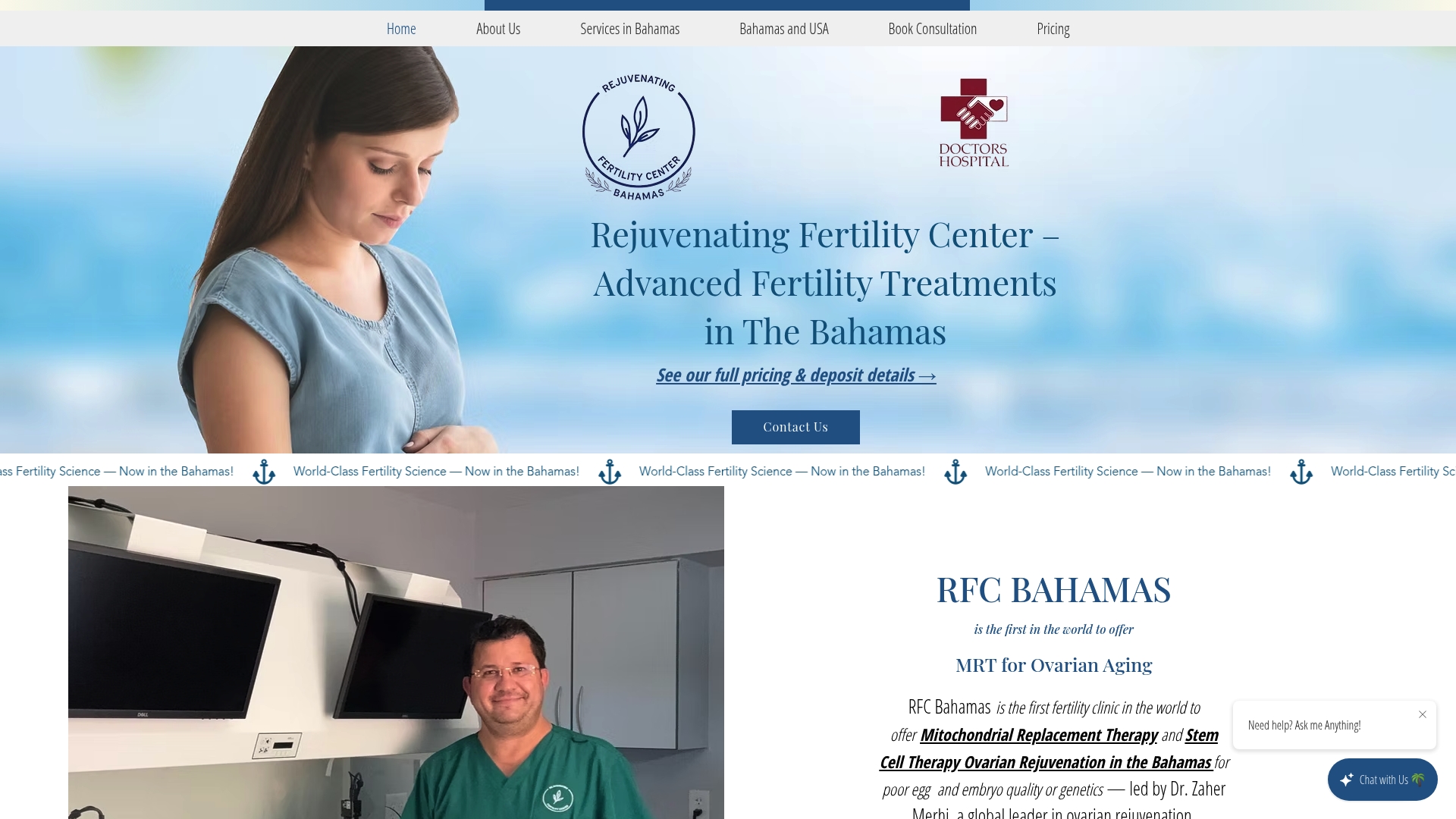
Take control of your fertility journey today by exploring personalized treatment options with the experts at the Rejuvenating Fertility Center. Led by Dr. Zaher Merhi, our center specializes in cutting-edge reproductive medicine including Mitochondrial Replacement Therapy, IVF, and stem cell therapies designed to overcome reproductive obstacles common after age 40. Do not let age define your chances. Visit https://rfcbahamas.com now to schedule a consultation and find out how mitochondrial replacement can offer renewed hope for your path to parenthood.
Frequently Asked Questions
What is mitochondrial replacement therapy and how can it benefit women over 40?
Mitochondrial replacement therapy is a technique that introduces healthier mitochondrial DNA into aging eggs to improve egg quality and fertility potential. Women over 40 can explore this option to potentially enhance their chances of successful pregnancy by consulting a reproductive specialist.
How does mitochondrial replacement reduce the risk of genetic disorders in offspring?
This therapy minimizes the risk of passing on mitochondrial genetic disorders by replacing damaged mitochondria with healthy ones during the fertilization process. To ensure the safety and health of future children, consider genetic counseling prior to undergoing the procedure.
In what ways can mitochondrial replacement improve embryo development and implantation success?
Mitochondrial replacement therapy enhances embryo development by improving cellular energy production, resulting in better embryo quality and increased implantation rates. Speak with a reproductive endocrinologist to determine how this therapy may personalize and optimize your fertility treatment plan.
What are the IVF success rate benefits of mitochondrial replacement for women of advanced age?
Mitochondrial replacement therapy can significantly increase IVF success rates for women over 40 by addressing mitochondrial dysfunction, which affects fertility. To potentially boost your chances of successful conception, engage with professionals who specialize in this innovative reproductive technology.
How does mitochondrial replacement provide hope for women experiencing poor ovarian reserve?
This therapy targets mitochondrial dysfunction, which contributes to poor ovarian reserve, and may improve reproductive tissue regeneration and cellular energy production. To explore this hopeful option, schedule a consultation with a reproductive specialist focused on mitochondrial replacement.
What safety advantages does mitochondrial replacement therapy offer compared to traditional fertility treatments?
Mitochondrial replacement therapy is designed to minimize immunogenic response and reduce risks associated with long-term medications. For a safer approach to fertility treatments, discuss this innovative option with your reproductive health provider.
Recommended
Comments