
Step-by-Step Guide to Egg Freezing for Future Pregnancy
- Feb 11
- 8 min read
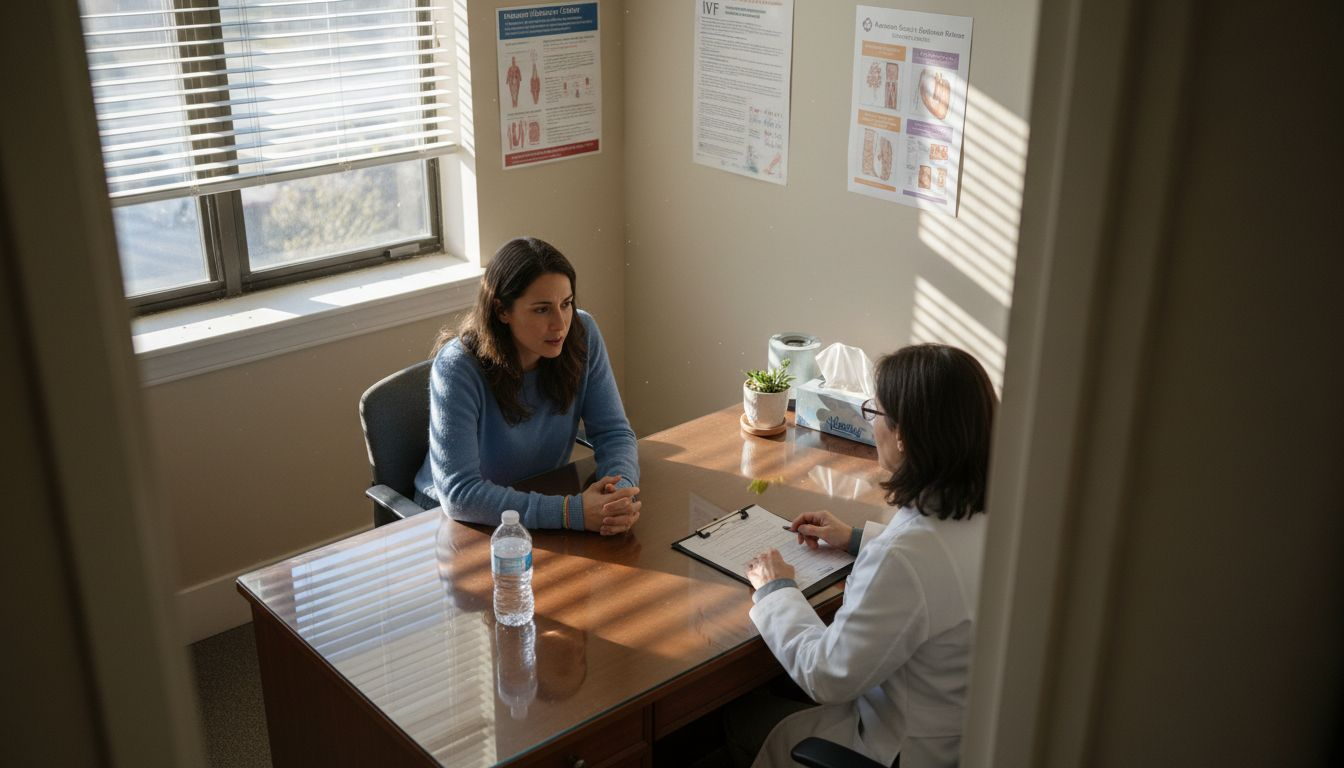
Worries about diminished ovarian reserve or complex genetic factors can leave women questioning their path to motherhood. For many, exploring advanced egg freezing in renowned international fertility clinics opens new hope. Thorough assessment and personalized care from experts in places like the United States and Europe give you the tools and confidence to make well-informed decisions about your reproductive future. Comprehensive evaluation ensures your plan matches your unique health and family goals.
Table of Contents
Quick Summary
Key Point | Explanation |
1. Ideal candidates are under 40 | Women under 40 with a healthy ovarian reserve are more likely to achieve successful egg freezing outcomes. |
2. Consult a fertility specialist early | An initial consultation helps tailor a personalized reproductive strategy based on individual medical history and goals. |
3. Complete necessary medical tests | Comprehensive medical and hormonal assessments are crucial to evaluate reproductive health and inform the egg freezing process. |
4. Ovarian stimulation is critical | Daily hormone injections are essential to maximize egg quantity and quality, requiring close monitoring by specialists. |
5. Verify egg storage and future plans | After freezing eggs, confirm storage conditions and outline future reproductive strategies to ensure optimal usage of frozen eggs. |
Step 1: Assess Candidacy for Egg Freezing
Determining your suitability for egg freezing involves a comprehensive evaluation of your current health, fertility potential, and personal circumstances. Your journey starts with understanding who makes an ideal candidate for this advanced reproductive technology.
Women considering egg freezing typically fall into several key categories. The most promising candidates are generally those under 40 with healthy ovarian reserve. These individuals include:
Women pursuing advanced career goals
Individuals facing medical treatments that might impact fertility
Those without an immediate partner but wanting future pregnancy options
Women with genetic conditions that could affect reproductive health
Critical factors fertility specialists evaluate include:
Current age and reproductive health
Ovarian reserve and egg quality
Medical history and potential fertility challenges
Long-term family planning goals
The most successful egg freezing outcomes occur when women proactively plan and undergo the procedure before age 35.
Medical professionals will conduct a series of comprehensive tests to assess your candidacy. Evidence-based assessments from reproductive medicine experts typically include hormonal blood work, transvaginal ultrasound, and a detailed review of your reproductive health history.
Pro tip: Schedule a consultation with a reproductive endocrinologist early to get a personalized assessment of your egg freezing potential.
Step 2: Consult a Fertility Specialist
Scheduling your initial fertility consultation marks a pivotal moment in understanding your egg freezing potential and developing a personalized reproductive strategy. This critical appointment allows you to explore your options with a reproductive health expert who can provide comprehensive insights tailored to your unique medical profile.
During your consultation, reproductive endocrinologists conduct thorough medical evaluations designed to assess your current fertility landscape. Expect a comprehensive review that typically includes:
Detailed medical history assessment
Comprehensive hormonal blood work
Transvaginal ultrasound examination
Genetic screening and risk factor analysis
Discussion of personal fertility goals
Your chosen specialist will help you understand complex factors influencing egg freezing success. They will explore your:
Current reproductive health status
Age-related fertility potential
Potential medical challenges
Personal and professional timeline considerations
A strategic fertility consultation provides more than medical advice – it offers a roadmap to your future reproductive choices.
Most fertility centers offer multidisciplinary consultation approaches that integrate insights from reproductive endocrinologists, geneticists, and counseling professionals. These collaborative evaluations ensure you receive holistic guidance about your egg freezing journey.
Pro tip: Prepare a comprehensive list of questions and bring your medical records to maximize the value of your initial consultation.
Step 3: Complete Medical and Hormonal Tests
Preparing for egg freezing requires a comprehensive series of medical and hormonal assessments that provide crucial insights into your reproductive health and fertility potential. This step involves a detailed diagnostic process designed to create a personalized roadmap for your fertility preservation strategy.
Your medical evaluation will encompass multiple diagnostic components that help fertility specialists develop a precise understanding of your reproductive capabilities. Comprehensive fertility testing typically involves the following key examinations:
Blood hormone panel testing
Antral follicle count ultrasound
Reproductive genetic screening
Ovarian reserve assessment
Infectious disease screening
The hormone testing process requires specific preparatory steps to ensure accurate results:
Schedule tests during the appropriate phase of your menstrual cycle
Fast for required blood tests as instructed by your medical team
Discontinue certain medications that might interfere with test results
Provide comprehensive medical history details
Accurate medical testing forms the foundation of a successful egg freezing strategy, providing critical insights into your reproductive potential.
Each test result contributes valuable information about your reproductive health. Hormone level analysis can reveal critical details about your ovarian function, while genetic screenings help identify potential inherited risks that might impact future fertility.
Here’s a summary of key medical tests and their purposes during egg freezing:
Test Type | Purpose | Typical Timing |
Hormonal Blood Panels | Assess ovarian function and fertility | Early menstrual cycle |
Antral Follicle Ultrasound | Evaluate egg quantity potential | Baseline cycle day |
Genetic Screening | Identify inherited reproductive risks | Pre-treatment assessment |
Infectious Disease Panel | Ensure safe freezing and storage | Prior to retrieval |
Pro tip: Request a detailed explanation of each test result and maintain a personal medical file to track your reproductive health journey.
Step 4: Start Ovarian Stimulation and Monitoring
The ovarian stimulation phase represents a critical milestone in your egg freezing journey, transforming your reproductive potential through carefully controlled hormonal interventions. This stage requires precision, patience, and close collaboration with your fertility specialists to optimize egg quantity and quality.
Individualized ovarian stimulation protocols involve daily hormone injections designed to encourage multiple follicle development. Your medical team will customize the approach based on your specific reproductive profile:
Daily gonadotropin hormone injections
Precise medication dosage calculations
Frequent ultrasound monitoring
Blood hormone level tracking
Individualized treatment adjustments
The stimulation process typically follows these key steps:
Begin hormone injections at specified cycle phase
Attend regular monitoring appointments
Undergo transvaginal ultrasound examinations
Permit frequent blood hormone testing
Remain flexible for potential protocol modifications
Successful ovarian stimulation balances scientific precision with personalized medical care.
Your reproductive health team will closely monitor follicle development, adjusting medications to maximize egg maturation while minimizing potential complications. Careful tracking ensures optimal timing for the final trigger injection and subsequent egg retrieval.
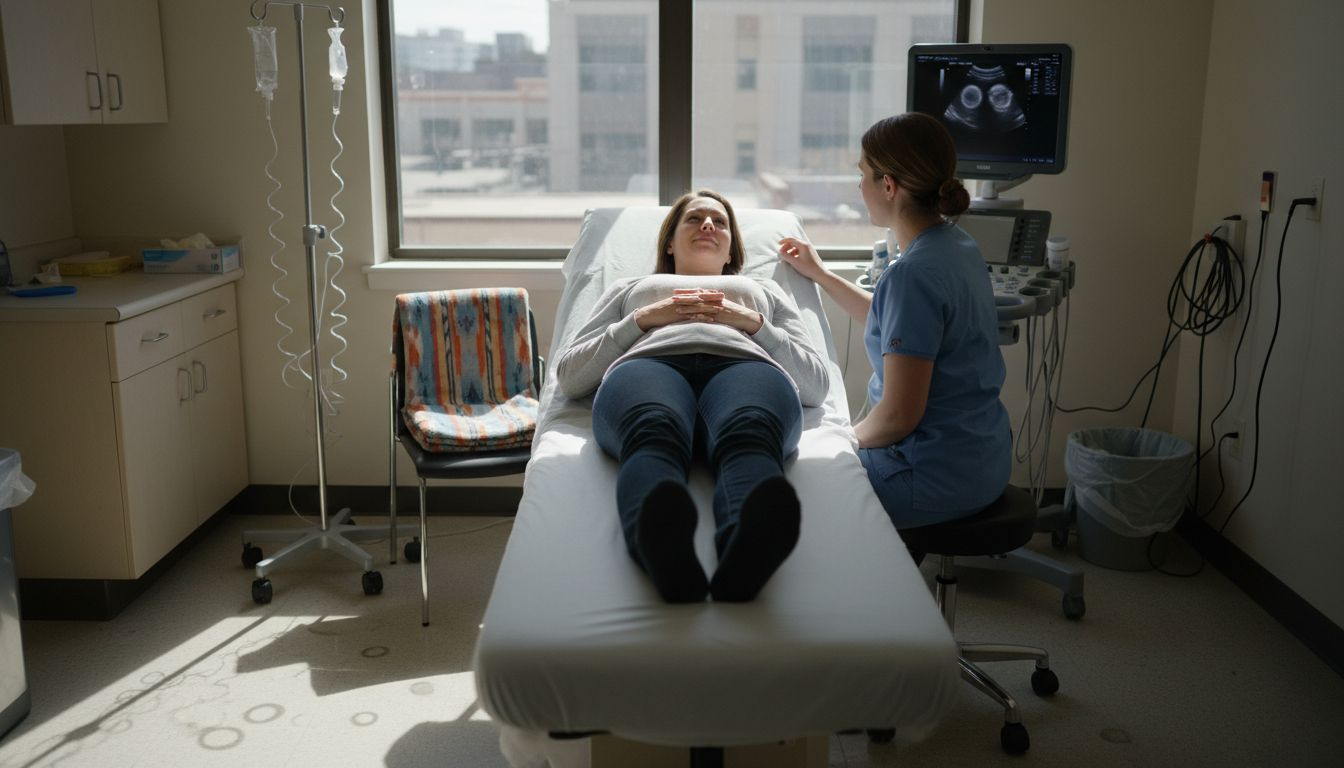
Pro tip: Maintain a detailed symptom diary and communicate any physical changes immediately to your medical team to support precise monitoring.
Step 5: Undergo Egg Retrieval and Freezing
Egg retrieval represents the culmination of your egg freezing journey, a precise medical procedure that transforms your carefully prepared eggs into potential future reproductive opportunities. This critical phase requires both medical expertise and personal preparation to ensure optimal outcomes.
Egg retrieval involves ultrasound-guided needle aspiration under sedation, with a specialized process designed to maximize egg collection while minimizing patient discomfort. The procedure typically unfolds through these key stages:
Medical sedation administration
Transvaginal ultrasound guidance
Precise follicle needle aspiration
Immediate egg identification and preservation
Post-procedure recovery monitoring
The egg retrieval process follows a structured approach:
Arrive at medical facility prepared for sedation
Undergo final pre-procedure medical checks
Receive anesthesia or conscious sedation
Experience 30-60 minute retrieval procedure
Recovery and post-procedure observation
Your carefully preserved eggs represent a powerful investment in future reproductive potential.
Cryopreservation techniques will immediately process and freeze your retrieved eggs using advanced vitrification technology, ensuring maximum survival and future fertilization potential. Your medical team will carefully assess and select the highest quality eggs for freezing.
Pro tip: Arrange transportation and post-procedure support in advance, as sedation effects can last several hours after the procedure.
Step 6: Verify Egg Storage and Plan Next Steps
After the successful retrieval and freezing of your eggs, you enter a critical phase of long-term preservation and future planning. This stage involves confirming the secure storage of your genetic potential and strategizing your reproductive timeline with precision and care.
Comprehensive egg storage and future planning requires careful consideration of multiple factors that will influence your reproductive journey:
Confirm storage facility credentials
Review annual storage maintenance protocols
Understand egg survival and thawing rates
Discuss future fertilization strategies
Evaluate potential additional retrieval cycles
Your comprehensive next steps include:
Schedule annual storage verification
Maintain updated contact information with storage facility
Review ongoing storage fees and contracts
Consult with fertility specialists about future use timing
Consider potential genetic screening options
Your frozen eggs represent a powerful insurance policy for your future reproductive choices.
Cryopreservation management involves ongoing communication with your medical team to ensure your reproductive options remain flexible. This includes periodic consultations to reassess your fertility goals and potential future interventions.
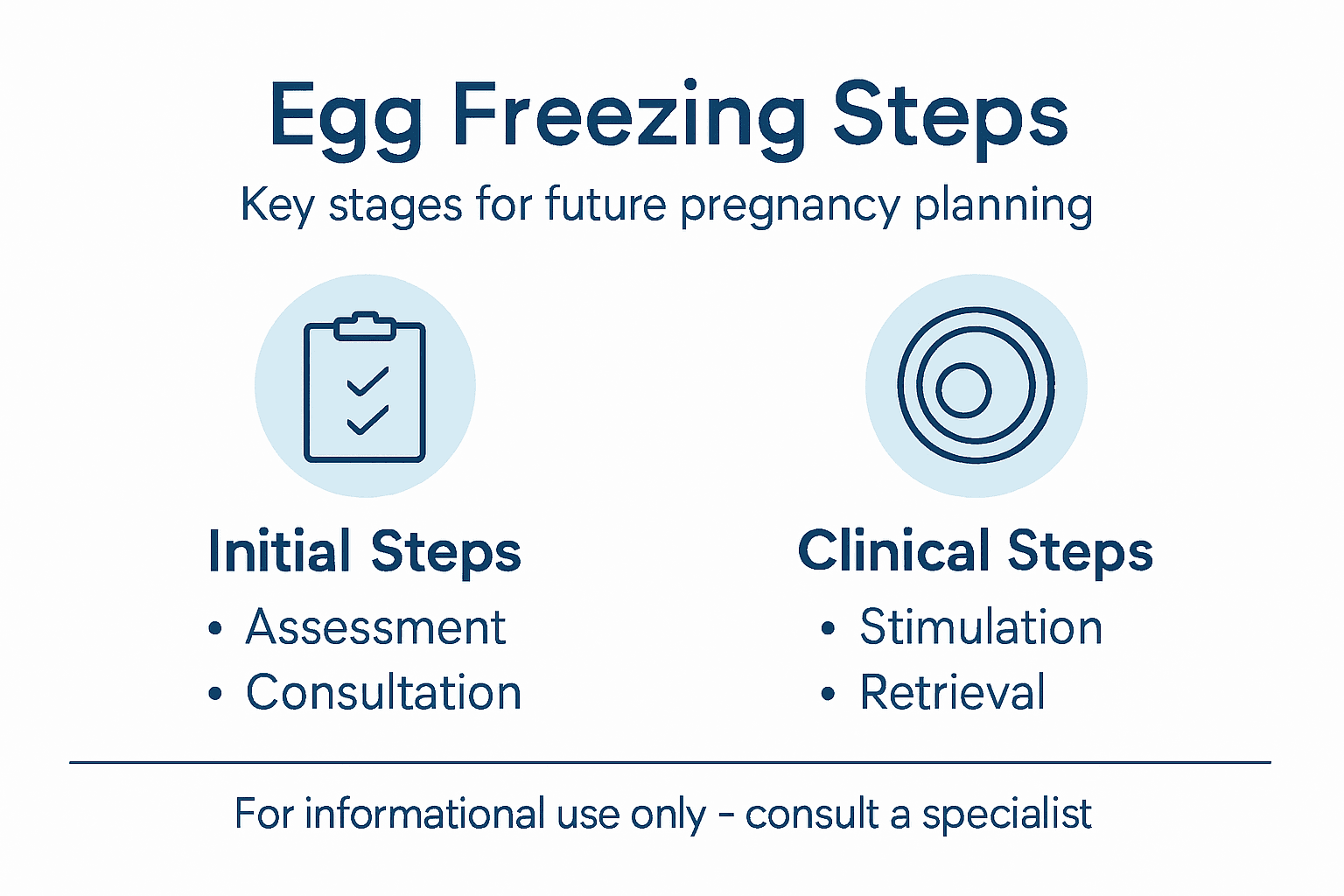
Compare typical egg storage considerations for future planning:
Storage Aspect | What It Means | Impact on Long-Term Plans |
Facility Accreditation | Validates storage quality | Ensures egg safety |
Annual Maintenance | Regular checks and fees | Maintains egg integrity |
Thawing Success Rates | Likelihood of egg viability | Influences fertilization chances |
Contract Flexibility | Adjusts payment/storage terms | Supports changing life goals |
Pro tip: Maintain a dedicated digital and physical file with all egg freezing documentation to streamline future medical consultations and decision-making.
Take Control of Your Fertility Journey with Expert Support
The article highlights the essential steps and challenges involved in egg freezing from assessing your candidacy to ensuring secure long-term storage. If you are facing worries about your ovarian reserve, genetic risks, or the timing of starting a family egg freezing might feel overwhelming. Key concerns such as hormone testing accuracy, ovarian stimulation, and preserving egg quality require trusted, advanced medical care tailored to your unique needs.
At Rejuvenating Fertility Center, we understand these challenges and provide cutting-edge solutions to improve your chances. With treatments like Mitochondrial Replacement Therapy and Stem Cell Therapy, led by Dr. Zaher Merhi, we focus on enhancing egg quality especially for women with poor ovarian reserve or genetic factors. Our personalized approach and state-of-the-art technologies ensure your egg freezing experience is safe, effective, and aligned with your goals.
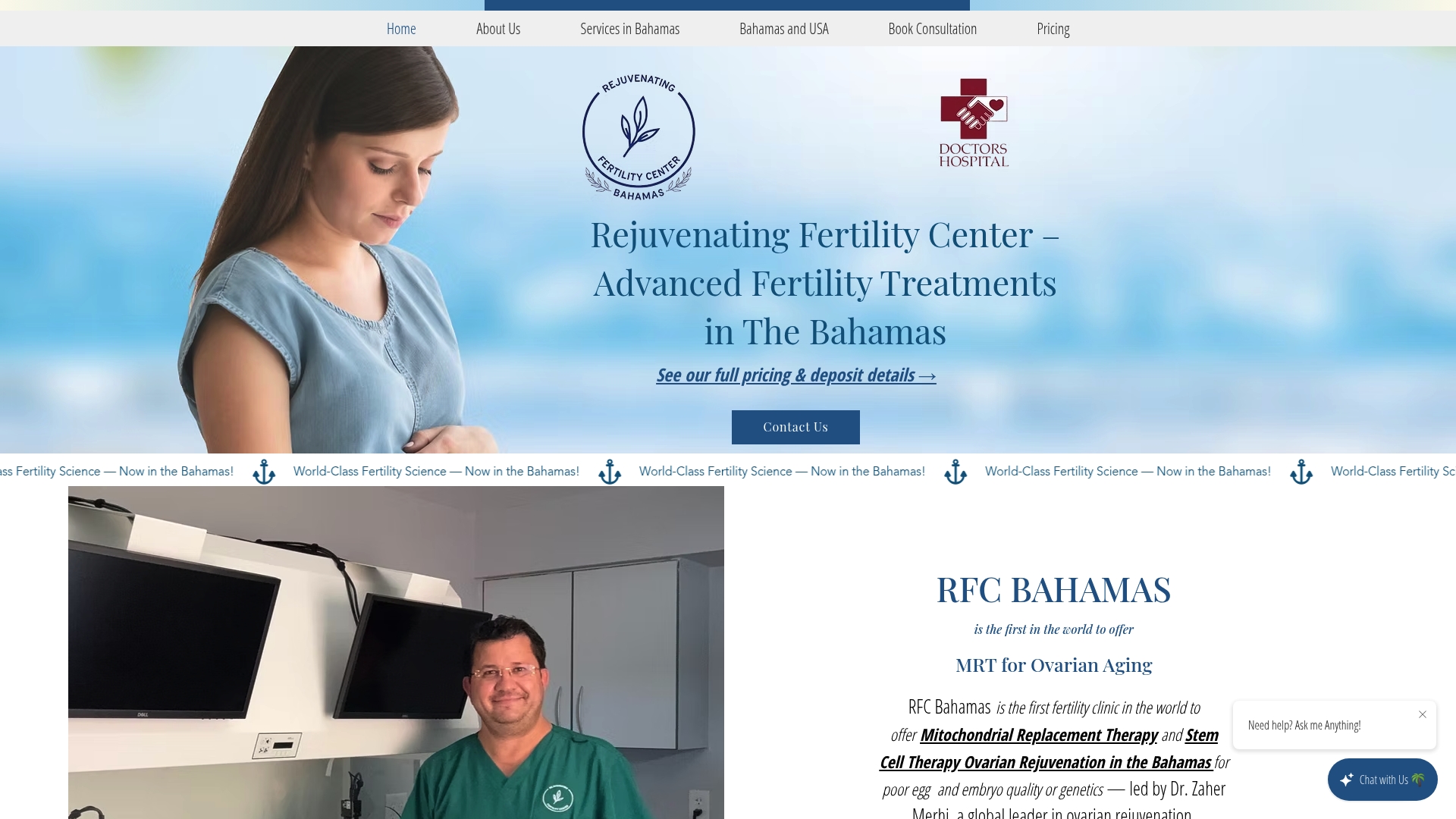
Empower your future family plans by partnering with a fertility center that pioneers innovation and compassionate care. Learn more about our comprehensive egg freezing services and schedule a consultation today. Don’t wait until time limits your options take the first step now at Rejuvenating Fertility Center. Your reproductive journey deserves the best expertise and personalized treatment available.
Frequently Asked Questions
What are the ideal age and health conditions for egg freezing?
The best candidates for egg freezing are typically women under 40 with a healthy ovarian reserve. Assess your reproductive health with a fertility specialist to determine your suitability for the procedure.
How do I prepare for my initial consultation with a fertility specialist?
Prepare a list of questions and gather your medical records to present at your consultation. This information will help your specialist provide personalized advice tailored to your health history and fertility goals.
What tests are involved in the medical evaluation for egg freezing?
The medical evaluation usually includes blood hormone panels, ultrasounds for antral follicle counts, and genetic screenings. Schedule these tests during your menstrual cycle as recommended to ensure accurate results.
What steps are involved in ovarian stimulation for egg freezing?
Ovarian stimulation involves daily hormone injections and regular monitoring to optimize egg quantity and quality. Be prepared for frequent appointments for blood tests and ultrasounds, as your protocol may be adjusted based on your body’s response.
How is the egg retrieval procedure performed, and what should I expect?
Egg retrieval is performed under sedation using ultrasound-guided needle aspiration to collect the eggs. Expect the procedure to take 30-60 minutes, followed by a short recovery period before you can go home with post-procedure support.
What should I do after retrieving and freezing my eggs?
After your eggs are frozen, confirm the storage facility’s credentials and understand their maintenance protocols. Schedule annual check-ins to ensure your eggs remain secure and discuss future fertilization options with your fertility specialist.
Recommended
Comments