
Stem Cells and Ovarian Health: Hope for Fertility
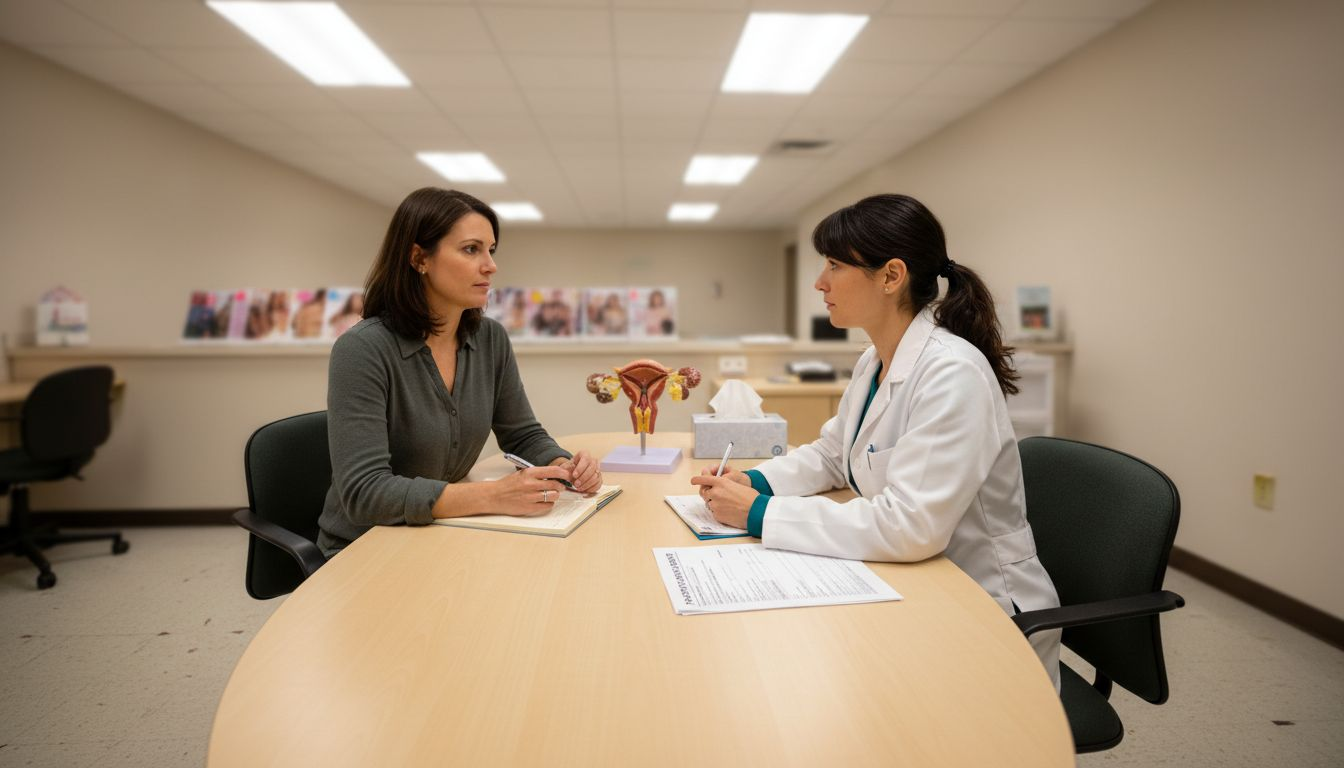
Over 70 percent of women with diminished ovarian reserve face limited options for fertility restoration in both American and European clinics. This struggle becomes even more pressing for those seeking advanced solutions beyond traditional treatments. The world of stem cell therapy offers new hope, with emerging research showing remarkable potential for longer-lasting ovarian health. Discover how innovative international approaches can help you regain control over your reproductive future with science-driven care.
Table of Contents
Key Takeaways
Point | Details |
Stem Cell Therapies Revolutionize Ovarian Health | Stem cell therapies, particularly using Mesenchymal Stem Cells, show potential in rejuvenating ovarian function and addressing fertility challenges, including premature ovarian insufficiency. |
Diverse Stem Cell Sources | Available stem cell therapies include Mesenchymal Stem Cells, Induced Pluripotent Stem Cells, and Adult Stem Cells, each offering unique benefits for reproductive health restoration. |
Risks and Financial Considerations | Patients should be aware of potential risks such as immune reactions and high treatment costs, necessitating thorough discussions with reproductive specialists before proceeding. |
Innovative Alternatives Emerging | Future innovations, including cryopreservation and tissue engineering, present additional pathways for addressing fertility challenges, expanding options beyond traditional methods. |
What Stem Cells Mean for Ovarian Health
Stem cell therapies represent a groundbreaking frontier in addressing female reproductive health challenges, offering unprecedented potential for ovarian rejuvenation and fertility restoration. At the core of this innovative approach lies the remarkable ability of mesenchymal stem cells (MSCs) to transform how we understand and treat ovarian decline. Regenerative medicine strategies using stem cells are emerging as a powerful tool for protecting and potentially reversing age-related ovarian deterioration.
The science behind stem cell therapy for ovarian health is both complex and promising. MSCs demonstrate extraordinary capabilities, including differentiating into multiple tissue types and migrating directly to injured ovarian sites. These specialized cells produce crucial factors that promote tissue repair, reduce oxidative stress, and potentially stimulate follicle regeneration. Research indicates they can protect ovaries from aging-related damage, improve follicle viability, and potentially restore reproductive potential for women experiencing conditions like premature ovarian insufficiency.
Ovarian organoids constructed from stem cells are creating entirely new pathways for understanding female reproductive health. By carefully differentiating induced pluripotent stem cells and creating environments that mimic the ovarian extracellular matrix, researchers can now model complex reproductive conditions. This breakthrough allows for more nuanced investigations into challenging diagnoses like polycystic ovary syndrome and premature ovarian failure, opening doors to targeted therapeutic interventions.
Pro tip: When exploring stem cell therapies for ovarian health, always consult reproductive specialists who have direct experience with cutting-edge regenerative techniques and can provide personalized medical guidance tailored to your specific reproductive profile.
Types of Stem Cell Therapies Available
Stem cell therapies for ovarian health represent a complex and evolving landscape of regenerative medicine, offering women multiple innovative approaches to addressing fertility challenges. Stem cell treatments for premature ovarian insufficiency utilize diverse cell sources, each with unique capabilities for potentially restoring reproductive function. The primary categories of stem cell therapies include mesenchymal stem cells, induced pluripotent stem cells, and adult stem cells, each bringing distinct advantages to reproductive medicine.
Mesenchymal stem cells emerge as the most promising therapeutic option, sourced from multiple tissues including bone marrow, adipose tissue, and umbilical cord. Adult stem cell therapies for ovarian regeneration demonstrate remarkable potential by promoting critical biological processes such as angiogenesis, reducing tissue fibrosis, and modulating immune responses. These cells can potentially repair ovarian damage, improve follicular survival, and create more favorable conditions for reproductive health restoration.
The most common stem cell sources for ovarian therapies include bone marrow-derived mesenchymal stem cells, adipose tissue stem cells, and umbilical cord-derived stem cells. Each source offers unique characteristics that make them suitable for different reproductive health interventions. Induced pluripotent stem cells represent a cutting-edge option, allowing researchers to reprogram adult cells into a more versatile state capable of differentiating into various ovarian cell types. This diversity of stem cell sources provides physicians with flexible treatment strategies tailored to individual patient needs and specific reproductive challenges.
Here’s a comparison of major stem cell sources used for ovarian therapies:
Stem Cell Source | Tissue Origin | Key Benefits | Clinical Considerations |
Bone marrow MSCs | Bone marrow | Promotes repair, well-researched | May require invasive extraction |
Adipose stem cells | Fat tissue | Minimally invasive collection, supports regeneration | Variable cell yield by donor |
Umbilical cord MSCs | Umbilical cord | Non-invasive, high proliferation ability | Donor matching needed |
Induced pluripotent cells | Reprogrammed adult cells | Can form diverse ovarian cell types | Technically challenging and costlier |
Pro tip: Always discuss the specific stem cell therapy sources and their potential outcomes with a reproductive specialist who can provide personalized insights based on your individual medical history and fertility goals.
How Stem Cell Treatments Work in Women
Stem cell treatments represent a revolutionary approach to addressing ovarian health and fertility challenges, offering women unprecedented opportunities for reproductive restoration. Autologous stem cell ovarian transplantation techniques provide innovative pathways for potentially replenishing and repairing damaged ovarian tissue. The core mechanism involves introducing specialized mesenchymal stem cells that can differentiate, regenerate, and support critical reproductive functions.
The biological processes underlying stem cell treatments are remarkably sophisticated. Mesenchymal stem cells improve ovarian function through multiple sophisticated mechanisms, including direct cell differentiation, secretion of critical growth factors, and stimulation of essential biological processes. These cells can transform into ovarian cell types, generate growth factors that support follicle survival, promote angiogenesis, and reduce inflammatory responses. By creating a more favorable internal environment, stem cells potentially restore hormone production, enhance follicular development, and improve overall reproductive potential.
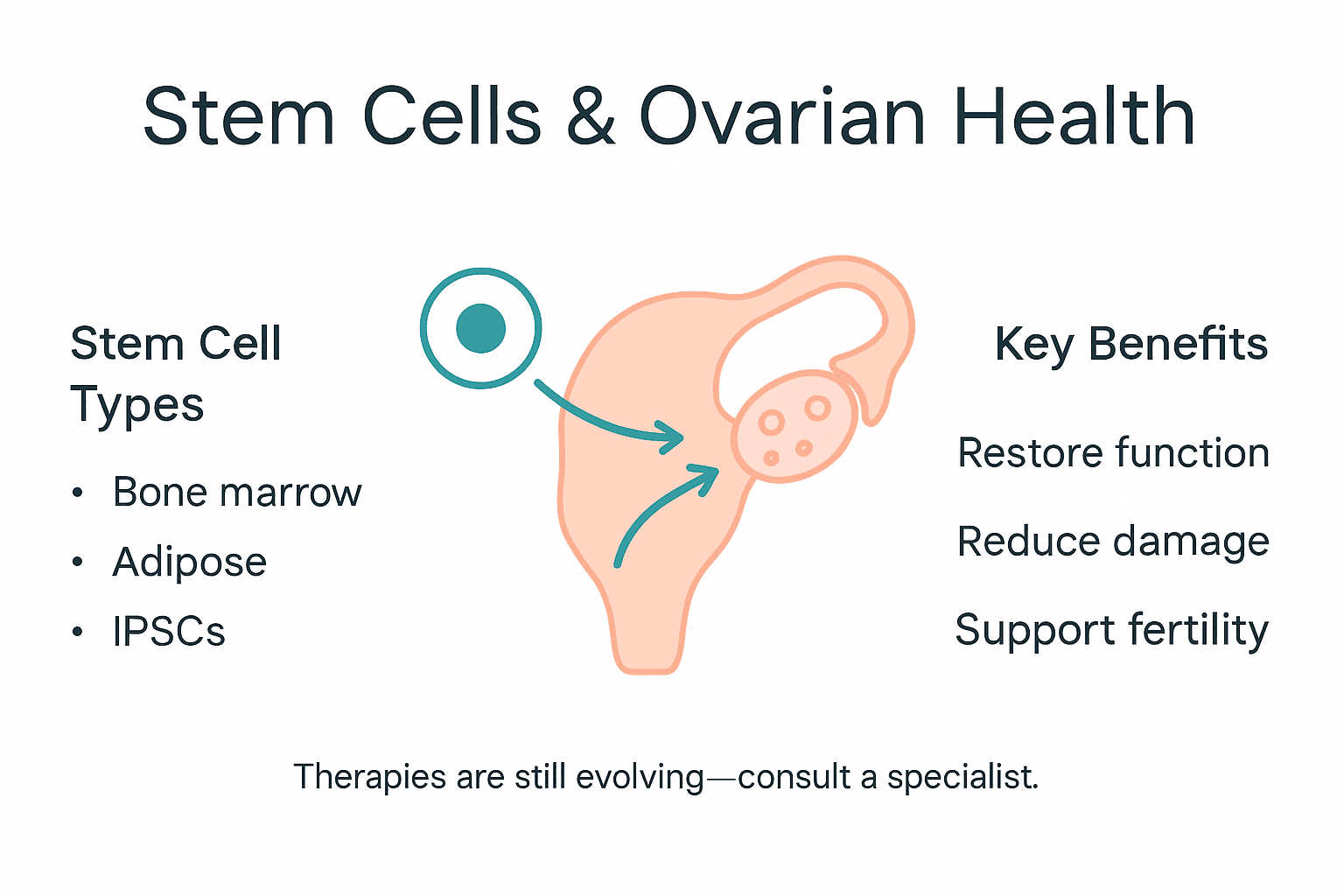
Extracellular vesicles derived from mesenchymal stem cells offer an exciting cell-free therapeutic alternative, providing similar regenerative benefits without direct cellular transplantation. These microscopic packages contain powerful biological signals that can stimulate tissue repair, reduce oxidative stress, and support cellular regeneration. The versatility of stem cell treatments allows for personalized approaches tailored to individual reproductive challenges, ranging from premature ovarian insufficiency to age-related fertility decline.
Pro tip: Consult a reproductive specialist who specializes in stem cell therapies to understand how these innovative treatments might specifically address your unique fertility landscape and medical history.
Risks, Costs, and Patient Considerations
Stem cell therapies for ovarian health represent a cutting-edge medical approach that demands careful evaluation of potential risks and financial implications. Comprehensive stem cell treatment risks require thorough patient assessment, with multiple critical factors influencing treatment outcomes and patient safety. The primary considerations include potential immune reactions, the possibility of tumorigenicity, and the inherent variability in therapeutic results that can impact individual patient experiences.
Financial considerations represent a significant barrier for many women exploring stem cell therapies. Patient selection and treatment costs present substantial challenges in the current reproductive medicine landscape. The expenses associated with stem cell treatments are often prohibitively high, with limited insurance coverage and significant out-of-pocket costs. Patients must carefully weigh the potential reproductive benefits against the substantial financial investment, considering factors such as their age, ovarian reserve status, and underlying reproductive health conditions.
Below is a summary of risks and financial factors to consider with ovarian stem cell treatments:
Risk Factor | Impact on Patient | Financial Consideration |
Immune reaction | May limit treatment success | Could increase medical costs |
Tumorigenicity | Potential for abnormal growth | Ongoing monitoring needed |
High upfront cost | Limits accessibility | Insurance rarely covers therapies |
Unknown long-term effects | Requires close follow-up | May increase future expenses |
The ethical and medical landscape surrounding stem cell therapies is complex and evolving. Potential risks include immune rejection, infection, and unknown long-term effects that require extensive patient counseling and informed consent. Women considering these treatments must engage in comprehensive discussions with reproductive specialists, examining the experimental nature of the procedures, potential success rates, and alternative treatment options. Each patient’s unique medical history, reproductive goals, and personal health profile must be meticulously evaluated to determine the appropriateness of stem cell interventions.
Pro tip: Create a detailed financial and medical spreadsheet comparing potential stem cell treatment costs, insurance coverage, success rates, and alternative fertility options to make a fully informed decision.
Alternatives and Future Directions in Fertility
The landscape of fertility preservation is rapidly evolving, with groundbreaking innovations extending far beyond traditional stem cell therapies. Advanced techniques such as cryopreservation, in vitro follicle culture, and artificial ovary construction are emerging as powerful alternatives for women facing reproductive challenges. These cutting-edge approaches provide multiple pathways for preserving and potentially restoring fertility, offering hope where traditional methods have fallen short.
Technology is transforming reproductive medicine through sophisticated techniques like ovarian organoid development and high-precision stem cell induction. Female germline stem cell research presents revolutionary opportunities to repair and regenerate ovarian function, potentially reversing age-related reproductive decline. Emerging methodologies include advanced 3D bioprinting, precise cellular differentiation protocols, and innovative delivery mechanisms that could fundamentally reshape our understanding of fertility preservation and restoration.
The future of reproductive medicine lies in integrating multiple technological approaches. Researchers are exploring combinations of tissue engineering, regenerative medicine, and genetic technologies to create comprehensive fertility solutions. These strategies aim not just to preserve reproductive potential, but to potentially correct underlying genetic or cellular issues that contribute to infertility. By leveraging interdisciplinary research and advanced biotechnological techniques, scientists are moving closer to personalized, precise interventions that could dramatically expand reproductive possibilities for women across different ages and health conditions.
Pro tip: Maintain a proactive approach by consulting reproductive specialists who stay current with emerging fertility technologies and can provide personalized insights into the most promising emerging treatment options.
Discover Cutting-Edge Stem Cell Solutions for Ovarian Health and Fertility Restoration
Struggling with ovarian decline or premature ovarian insufficiency can feel overwhelming, especially when traditional fertility treatments fall short. This article highlights how mesenchymal stem cells and advanced regenerative therapies offer real hope for restoring ovarian function and improving reproductive potential. If you are seeking personalized, innovative treatments to address poor ovarian reserve or genetic challenges impacting your fertility, the next step starts here.
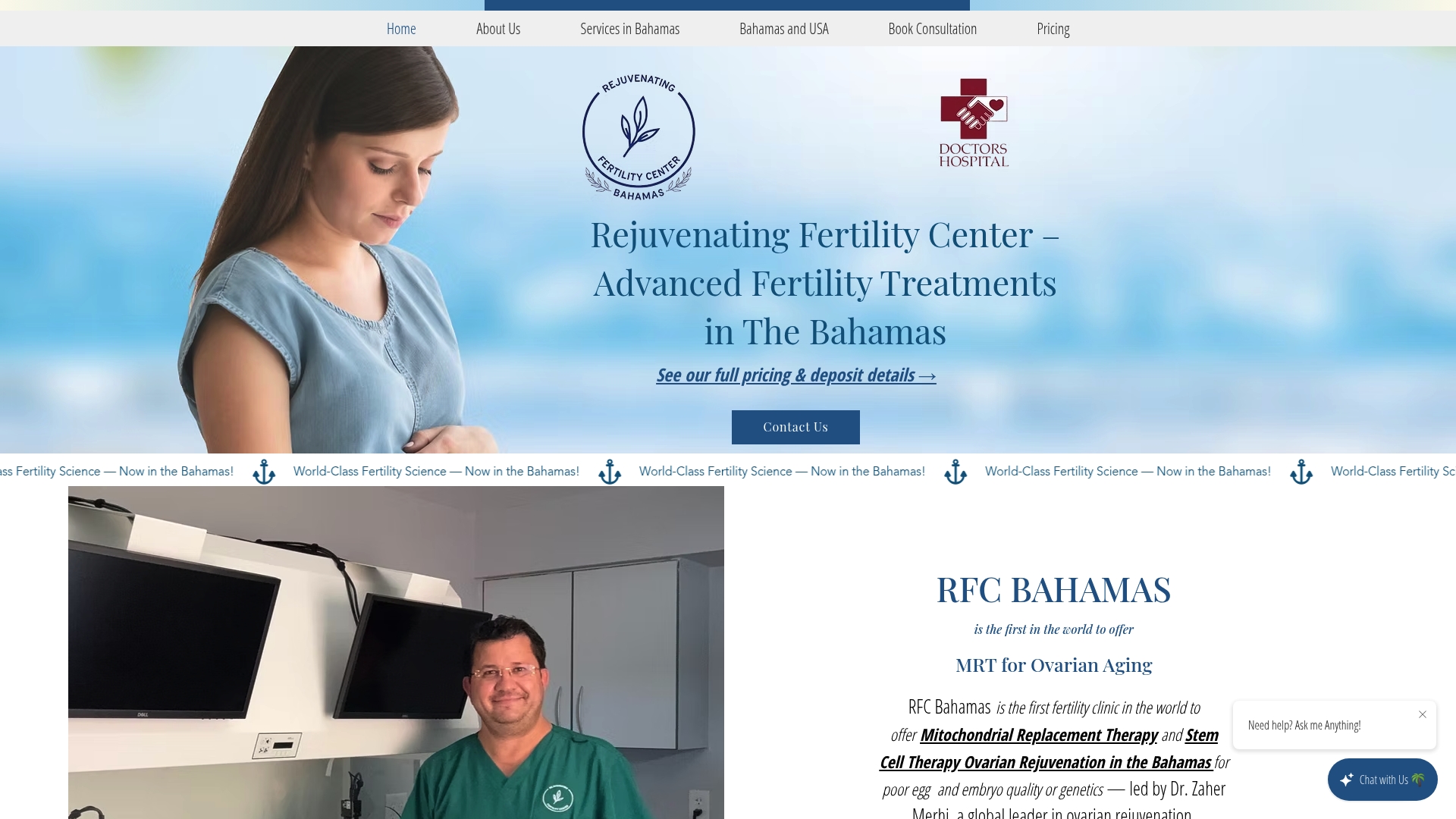
At the Rejuvenating Fertility Center in the Bahamas, led by Dr. Zaher Merhi, we specialize in state-of-the-art stem cell therapies designed to rejuvenate ovarian health. Combining scientific expertise with compassionate care, we tailor solutions like stem cell ovarian rejuvenation and mitochondrial replacement therapy to your unique needs. Don’t wait to explore how these breakthrough treatments can transform your fertility journey. Visit Rejuvenating Fertility Center today to book your consultation and take control of your reproductive future.
Frequently Asked Questions
What are stem cells and how do they help with ovarian health?
Stem cells are specialized cells capable of differentiating into various cell types. In ovarian health, mesenchymal stem cells (MSCs) can help repair tissue damage, reduce oxidative stress, and potentially stimulate follicle regeneration, offering hope for women facing fertility challenges.
What types of stem cell therapies are available for ovarian rejuvenation?
The primary types of stem cell therapies for ovarian health include mesenchymal stem cells, induced pluripotent stem cells, and adult stem cells. Each type has unique characteristics and advantages for restoring reproductive function.
What are the risks associated with stem cell treatments for ovarian health?
Potential risks include immune reactions, tumorigenicity (the potential for abnormal growth), and the unknown long-term effects of these therapies. Comprehensive discussions with reproductive specialists are essential for understanding these risks before pursuing treatment.
How do stem cell treatments improve fertility in women?
Stem cell treatments improve fertility by facilitating tissue repair, promoting follicle survival, enhancing hormone production, and creating a more favorable internal environment for ovarian function. They can also reduce inflammation and support the body’s natural regenerative processes.
Recommended
Comments