
Why Explore New Fertility Treatments Today

Facing fertility challenges can feel daunting when traditional options seem limited, especially for women navigating diminished ovarian reserve. The latest advances in reproductive medicine bring hope through molecular insights, artificial intelligence, and personalized treatment strategies. These innovations empower specialists to tailor therapies such as mitochondrial replacement and stem cell interventions, potentially improving outcomes and extending fertility potential for women worldwide seeking effective solutions.
Table of Contents
Key Takeaways
Point | Details |
Innovative Treatments Enhance Precision | Modern fertility solutions use advanced technologies to tailor treatments to individual needs, improving success rates. |
Mitochondrial and Stem Cell Therapies Offer Hope | These approaches are revolutionizing treatment for women with diminished ovarian reserve and complex reproductive challenges. |
AI and Genetic Screening Improve Outcomes | Artificial Intelligence and genetic assessments are transforming embryo selection, leading to higher implantation success. |
Regulatory Oversight is Crucial | Safety protocols and comprehensive monitoring are essential given the evolving landscape of advanced fertility treatments. |
What Makes Fertility Treatments Innovative
Fertility treatments are experiencing a profound transformation driven by cutting-edge scientific research and technological breakthroughs. Unlike traditional approaches, modern reproductive medicine is moving beyond simple intervention towards precision, personalization, and biological optimization. Molecular insights into fertilization research are now enabling researchers to develop more sophisticated strategies for addressing complex reproductive challenges.
The most innovative fertility treatments today are characterized by several groundbreaking approaches:
Genetic Screening: Advanced techniques allowing comprehensive chromosomal assessment of embryos before transfer
Mitochondrial Health: Targeted therapies focusing on cellular energy production and egg quality
Personalized Protocols: Treatment plans customized based on individual genetic and physiological profiles
Advanced Imaging: High-resolution techniques for monitoring embryo development
These innovations represent a quantum leap in reproductive medicine. By understanding cellular mechanisms at unprecedented depths, specialists can now design interventions that dramatically improve fertility outcomes. The shift is from a generalized, one-size-fits-all model to a nuanced, scientifically precise approach that considers each patient’s unique biological landscape.
Stem cell technologies and mitochondrial replacement therapies are particularly exciting developments. These techniques offer hope by potentially regenerating or replacing damaged reproductive cells, extending fertility potential for women facing complex reproductive challenges.
Pro tip: Always consult reproductive specialists who stay current with the latest scientific advancements to understand which innovative treatments might best suit your specific fertility journey.
Types of Advanced Fertility Solutions Explained
Modern fertility treatments have evolved far beyond traditional approaches, offering sophisticated solutions for individuals facing reproductive challenges. Advanced assisted reproductive technologies now integrate cutting-edge techniques that dramatically improve the chances of successful conception and healthy pregnancy.
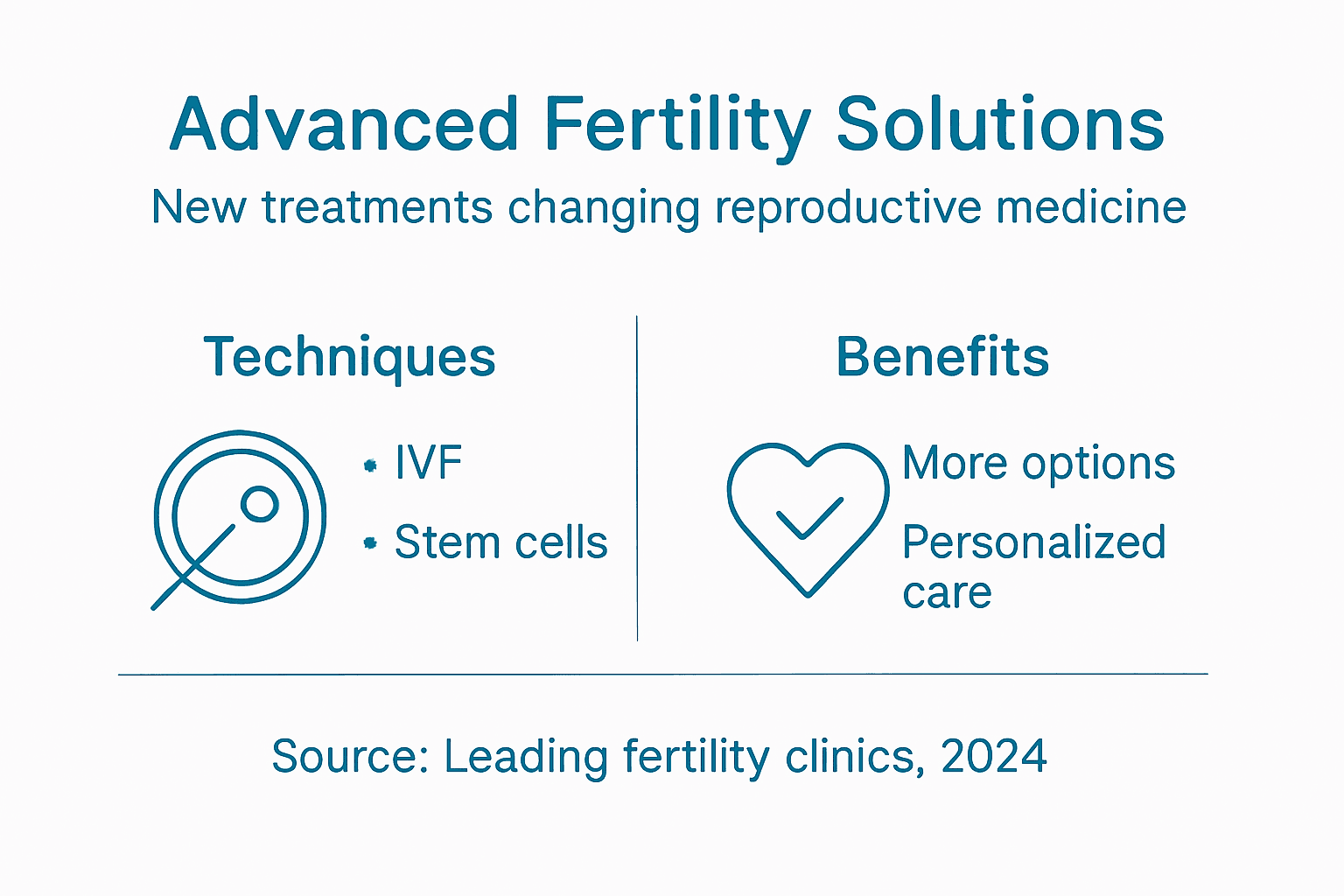
The most prominent advanced fertility solutions include:
Artificial Intelligence Embryo Selection: Using machine learning algorithms to identify the most viable embryos
Genetic Screening: Comprehensive chromosomal analysis to prevent genetic disorders
Mitochondrial Replacement Therapy: Innovative technique to improve cellular energy and egg quality
Stem Cell Regenerative Medicine: Mesenchymal stem cell therapy to enhance ovarian function
These solutions represent a paradigm shift in reproductive medicine. Artificial intelligence, for instance, can now analyze embryo characteristics with unprecedented precision, identifying those with the highest potential for successful implantation. Genetic screening allows physicians to detect potential chromosomal abnormalities before embryo transfer, significantly reducing risks associated with inherited genetic conditions.
Stem cell technologies are particularly revolutionary, offering hope for women with diminished ovarian reserve. By potentially regenerating reproductive tissues and improving cellular function, these treatments can extend fertility potential for those facing complex reproductive challenges.
Pro tip: Always seek consultation from reproductive specialists who specialize in advanced fertility technologies to understand which personalized solutions might best address your unique reproductive needs.
How Mitochondrial and Stem Cell Therapies Work
Cutting-edge fertility treatments are revolutionizing reproductive medicine through sophisticated cellular interventions. Mitochondrial replacement techniques offer groundbreaking approaches to addressing complex fertility challenges by targeting cellular health at its most fundamental level.
Key mechanisms of these advanced therapies include:
Nuclear DNA Transfer: Replacing damaged mitochondrial genetic material with healthy donor mitochondria
Cellular Regeneration: Stimulating tissue repair and functional restoration
Antioxidant Protection: Reducing cellular damage and improving reproductive function
Genetic Disease Prevention: Minimizing transmission of inherited mitochondrial disorders
Mesenchymal stem cell therapies operate through remarkable biological mechanisms. These specialized cells can differentiate into various tissue types, migrate to injured ovarian sites, and secrete powerful regenerative factors. By releasing antioxidant and proangiogenic compounds, they create an optimal environment for cellular repair and enhanced reproductive function.
Mitochondrial replacement specifically involves transferring a patient’s nuclear DNA into a donor egg with healthy mitochondria. This innovative technique addresses fertility issues linked to mitochondrial dysfunction, potentially improving egg quality and increasing successful conception rates for women facing complex reproductive challenges.

Pro tip: Consult reproductive specialists who specialize in advanced cellular therapies to understand how these cutting-edge treatments might be tailored to your specific fertility profile.
Benefits for Women With Diminished Ovarian Reserve
Women experiencing diminished ovarian reserve (DOR) face unique fertility challenges that demand innovative, personalized treatment approaches. Growth hormone adjuvant therapy has emerged as a promising solution, offering renewed hope for those struggling with reduced reproductive potential.
Key benefits for women with diminished ovarian reserve include:
Enhanced Fertility Potential: Improved clinical pregnancy rates
Increased Oocyte Quality: Higher number of retrieved eggs
Reduced Cycle Cancellation: Lower risk of treatment interruption
Improved Embryo Development: Better fertilization and implantation rates
Mild ovarian stimulation strategies provide additional advantages for women under 40, presenting more flexible and less invasive alternatives to traditional IVF treatments. These approaches balance medical intervention with patient comfort, offering a nuanced pathway to conception for those with limited ovarian function.
The reproductive science breakthrough represents more than just medical innovation. It’s a lifeline for women who previously might have believed their fertility journey had reached an insurmountable obstacle. By combining advanced therapies like growth hormone treatment with personalized reproductive strategies, specialists can now provide targeted interventions that dramatically improve fertility outcomes.
Below is a quick reference for advanced fertility solution mechanisms and their main benefits:
Solution | Main Mechanism | Expected Benefit |
Mitochondrial Replacement | Replaces defective mitochondria | Improves egg energy and quality |
Stem Cell Therapy | Regenerates ovarian tissue | Extends fertility window |
AI Embryo Selection | Analyzes embryo viability | Boosts implantation chances |
Growth Hormone Adjuvant | Enhances egg maturation | Raises pregnancy success |
Pro tip: Consult a reproductive specialist who specializes in diminished ovarian reserve to develop a comprehensive, personalized treatment strategy tailored to your specific fertility profile.
Risks, Safety, and Regulatory Considerations
Advanced fertility treatments represent complex medical innovations requiring rigorous safety protocols and comprehensive regulatory oversight. International best practices for medical technology validation emphasize the critical importance of patient protection and ethical implementation across emerging reproductive technologies.
Key safety and regulatory considerations include:
Patient Risk Assessment: Comprehensive screening and informed consent processes
Technological Validation: Extensive clinical trials and peer-reviewed research
Ethical Oversight: Independent review boards and regulatory compliance
Long-Term Monitoring: Tracking potential genetic and physiological impacts
Emerging assisted reproductive technologies remain experimental, requiring careful navigation of complex legal and scientific landscapes. Many cutting-edge treatments like gene editing and advanced stem cell therapies are currently restricted, with most still confined to animal model research pending comprehensive human clinical validation.
The regulatory framework surrounding these technologies is dynamic and evolving. Reproductive medicine specialists must continuously balance innovative potential with patient safety, ensuring that each emerging treatment undergoes meticulous scientific scrutiny before widespread clinical adoption. This approach protects patients while allowing meaningful scientific progress.
Pro tip: Always request comprehensive documentation about a treatment’s regulatory status, clinical validation, and potential long-term risks before proceeding with any advanced fertility intervention.
Comparing New Options With Traditional Treatments
The landscape of fertility treatments is rapidly evolving, with innovative approaches challenging traditional intervention models. Simplified assisted reproduction methods are emerging as more accessible and potentially more effective alternatives to conventional fertility treatments, particularly for patients with limited resources.
Key differences between new and traditional fertility treatments include:
Cost Effectiveness: Newer techniques often require less financial investment
Invasiveness: Reduced medical interventions and procedural complexity
Accessibility: Broader availability across different geographic and economic contexts
Personalization: More targeted, individualized treatment protocols
Alternative fertility treatment options now span a wide range of interventions beyond standard IVF. These include intrauterine insemination, tubal flushing, in vitro maturation, and intravaginal culture, each offering unique advantages depending on individual patient characteristics and specific fertility challenges.
The most significant advancement lies in the shift from a one-size-fits-all approach to a nuanced, personalized treatment strategy. Modern reproductive medicine recognizes that fertility is a complex, individual experience requiring tailored solutions that balance medical effectiveness, patient comfort, and long-term health outcomes.
Here’s a summary of how innovative fertility treatments compare to traditional methods:
Aspect | Innovative Treatments | Traditional Treatments |
Personalization | Tailored to individual biology | Standardized protocols |
Technology Use | AI, genetic screening, cell therapy | Basic lab techniques |
Success Optimization | Precision and data-driven selection | Experience-based selection |
Accessibility | Increasing but varies by region | Widely available globally |
Focus | Cellular and genetic health | General hormonal support |
Pro tip: Consult multiple reproductive specialists to understand the full spectrum of treatment options that might best suit your specific fertility profile and personal medical history.
Discover Advanced Fertility Treatments Tailored to Your Needs
If you are facing complex fertility challenges such as diminished ovarian reserve or genetic concerns, today’s innovative therapies offer new hope. The article highlights key breakthroughs like Mitochondrial Replacement Therapy and Stem Cell Therapy designed to improve egg quality and extend fertility potential. These advanced solutions address core biological issues at the cellular level potentially increasing your chances of a successful pregnancy.
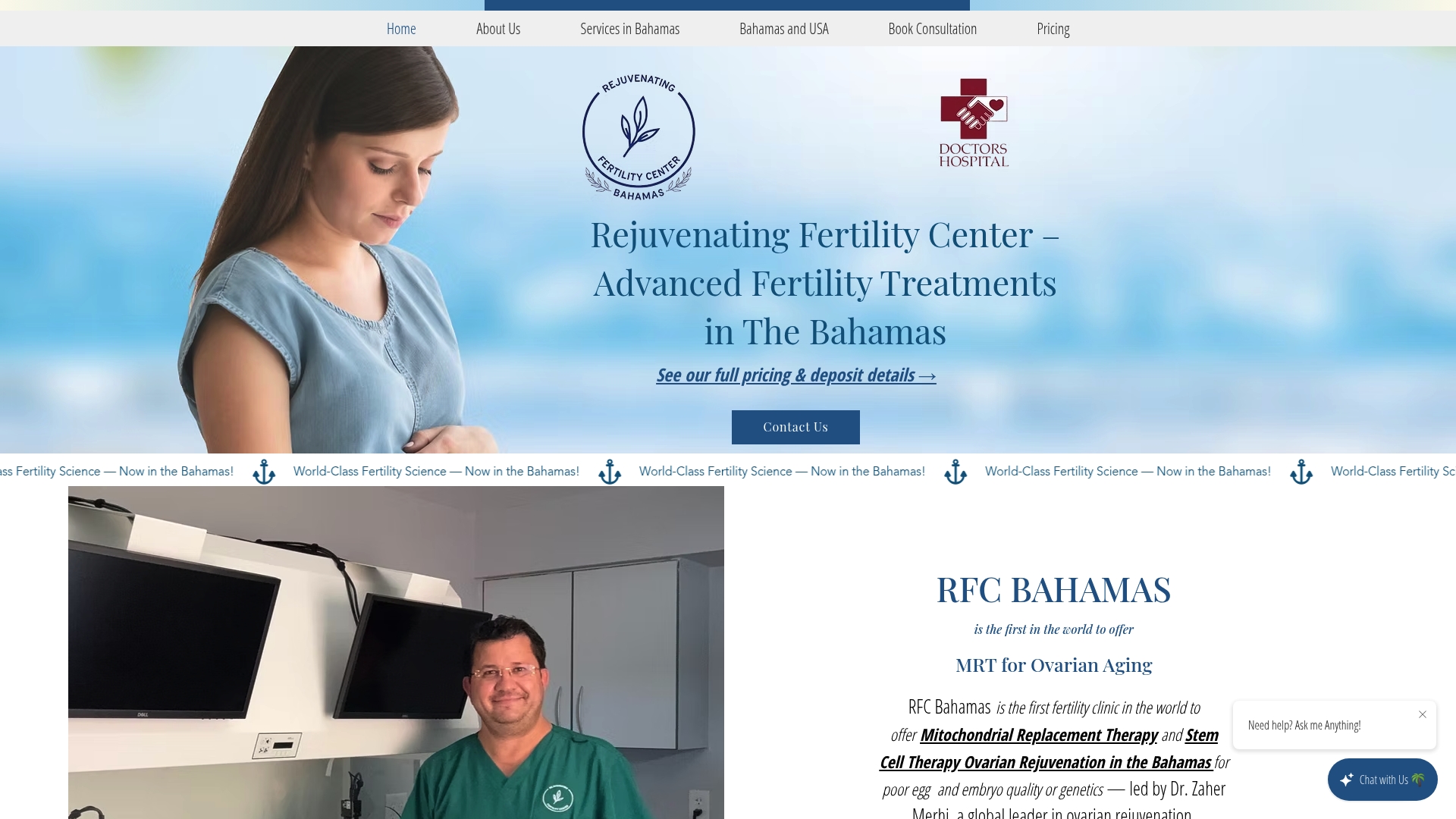
Take control of your fertility journey with confidence by exploring personalized treatments at the Rejuvenating Fertility Center. Led by Dr. Zaher Merhi, our Bahamas-based clinic specializes in cutting-edge options like Mitochondrial Replacement Therapy and Stem Cell Therapy tailored specifically for patients seeking alternatives to traditional methods. Don’t wait to embrace innovative science that could redefine your path to parenthood. Visit Rejuvenating Fertility Center now to schedule your consultation and learn which advanced treatment fits your unique fertility profile.
Frequently Asked Questions
What are the most innovative fertility treatments available today?
Innovative fertility treatments include genetic screening, mitochondrial health therapies, personalized protocols, advanced imaging techniques, artificial intelligence embryo selection, and stem cell regenerative medicine.
How do mitochondrial replacement therapies improve fertility?
Mitochondrial replacement therapies involve replacing damaged mitochondrial DNA with healthy donor mitochondria, which can enhance egg quality and improve reproductive outcomes for women with mitochondrial dysfunction.
What are the benefits of using artificial intelligence in embryo selection?
Artificial intelligence in embryo selection helps identify the most viable embryos for implantation by analyzing embryo characteristics with high precision, significantly boosting the chances of successful pregnancy.
Why should women with diminished ovarian reserve consider advanced fertility solutions?
Women with diminished ovarian reserve can benefit from advanced solutions like growth hormone therapy and mild ovarian stimulation, which improve egg quality, enhance fertility potential, and reduce the risk of treatment cycles being canceled.
Recommended
Comments