
IVF vs ICSI: Choosing the Best Fertility Solution

Deciding on the right fertility treatment can feel overwhelming, especially when time and hope are precious. For women over 40 facing diminished ovarian reserve, understanding the differences between In Vitro Fertilization (IVF) and Intracytoplasmic Sperm Injection (ICSI) is key to making informed choices about family building. This overview highlights how these advanced reproductive technologies work, compares their unique approaches to fertilization, and helps clarify which method may best suit your individual fertility challenges.
Table of Contents
Key Takeaways
Point | Details |
IVF vs. ICSI | IVF involves natural sperm selection for fertilization, while ICSI directly injects sperm into the egg, useful for severe male fertility issues. |
Cost and Success Rates | IVF is generally more cost-effective, but ICSI may offer higher success rates in male factor infertility cases. |
Customizing Treatment | Selection between IVF and ICSI should be based on individual fertility challenges and reproductive health assessments. |
Risks and Misconceptions | Both methods have unique risks; it’s crucial to understand these and avoid misconceptions about their superiority without considering the patient’s context. |
Defining IVF and ICSI: Core Processes
Infertility treatments have dramatically transformed reproductive medicine, with In Vitro Fertilization (IVF) and Intracytoplasmic Sperm Injection (ICSI) emerging as groundbreaking solutions for women struggling to conceive. These advanced reproductive technologies offer hope where traditional conception methods have failed.
At their core, both IVF and ICSI are assisted reproductive techniques designed to facilitate fertilization outside the human body. While they share fundamental similarities, each process has unique characteristics tailored to specific fertility challenges. Advanced reproductive technologies have revolutionized our approach to addressing infertility.
Here are the key differences between IVF and ICSI:
IVF (In Vitro Fertilization):
Eggs and sperm are combined in a laboratory dish
Allows natural sperm selection and penetration
Typically used for couples with moderate fertility issues
Fertilization occurs through traditional egg-sperm interaction
ICSI (Intracytoplasmic Sperm Injection):
A single sperm is directly injected into an egg
Specifically designed for severe male factor infertility
Bypasses natural sperm penetration barriers
Increases fertilization chances with compromised sperm samples
Both procedures follow a similar overall process: ovarian stimulation, egg retrieval, laboratory fertilization, and embryo transfer. The primary distinction lies in how fertilization occurs - whether through natural sperm interaction (IVF) or direct sperm injection (ICSI).
Here’s a concise overview comparing core aspects of IVF and ICSI:
Aspect | IVF: In Vitro Fertilization | ICSI: Intracytoplasmic Sperm Injection |
Fertilization Mode | Sperm added near egg; natural selection | Single sperm injected into egg |
Primary Indication | Moderate infertility or unexplained cause | Severe male fertility challenges |
Technical Approach | Mimics natural embryology | Advanced micromanipulation required |
Most Suitable For | Couples with healthy sperm count | Low sperm count or poor sperm quality |
Pro Tip for Fertility Planning: Consult a reproductive specialist who can evaluate your specific fertility profile and recommend the most appropriate treatment approach based on comprehensive diagnostic testing.
How IVF Differs from ICSI Mechanically
Reproductive medicine has developed sophisticated techniques to address various fertility challenges, with In Vitro Fertilization (IVF) and Intracytoplasmic Sperm Injection (ICSI) representing two distinct mechanical approaches to achieving fertilization. Advanced fertility techniques demonstrate remarkable precision in addressing complex reproductive issues.
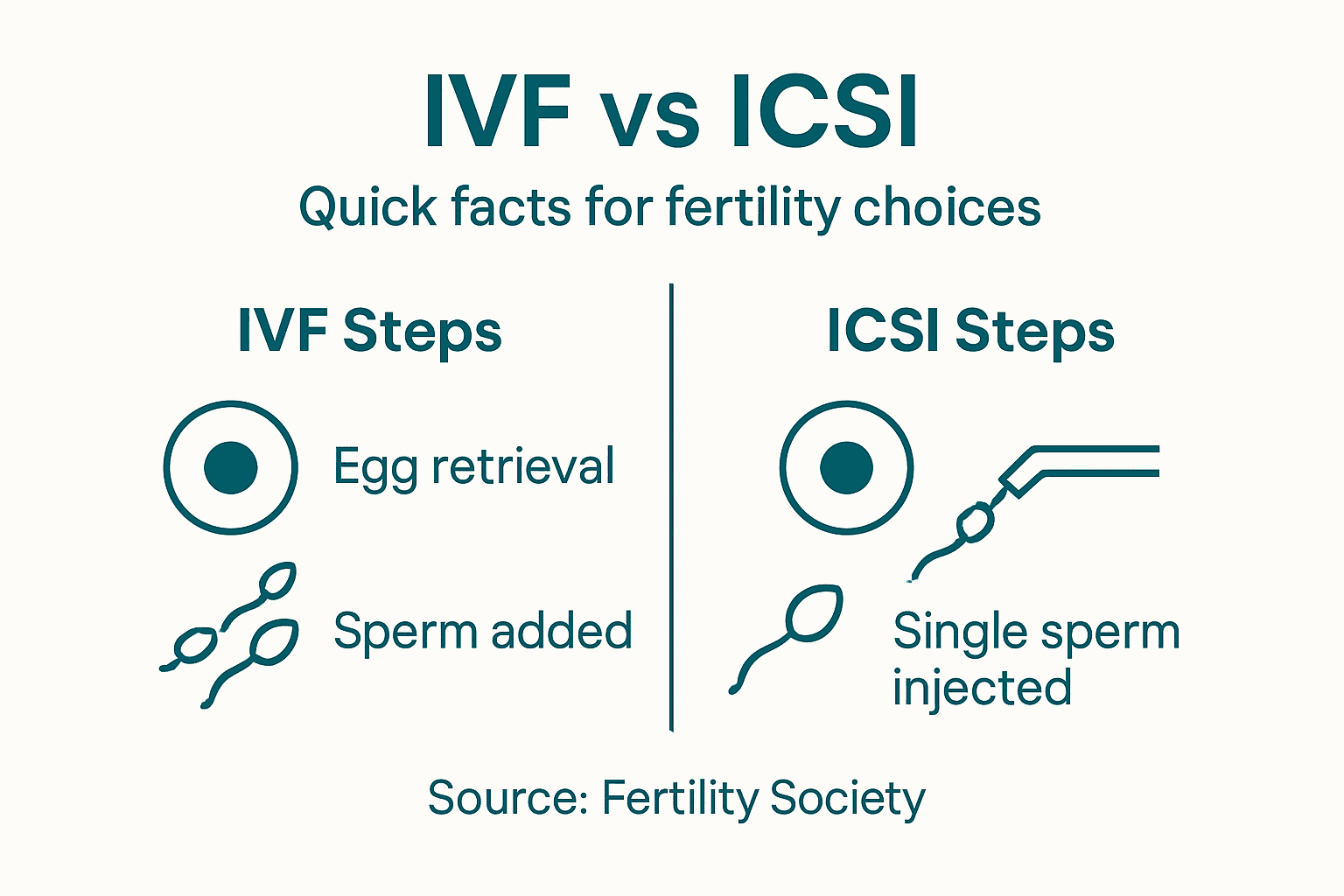
The fundamental mechanical difference between IVF and ICSI lies in their fertilization methods. In conventional IVF, multiple sperm are placed alongside an egg in a laboratory dish, allowing natural selection and penetration to occur. Sperm compete and interact with the egg’s outer layer, mimicking the biological process that happens during natural conception.
ICSI, by contrast, involves a more targeted mechanical intervention:
IVF Fertilization Mechanics:
Multiple sperm placed in culture dish
Natural sperm selection process
Eggs and sperm co-incubated
Mimics traditional conception method
ICSI Fertilization Mechanics:
Single sperm directly injected into egg
Precise micromanipulation required
Bypasses natural sperm penetration barriers
Used for severe male factor infertility
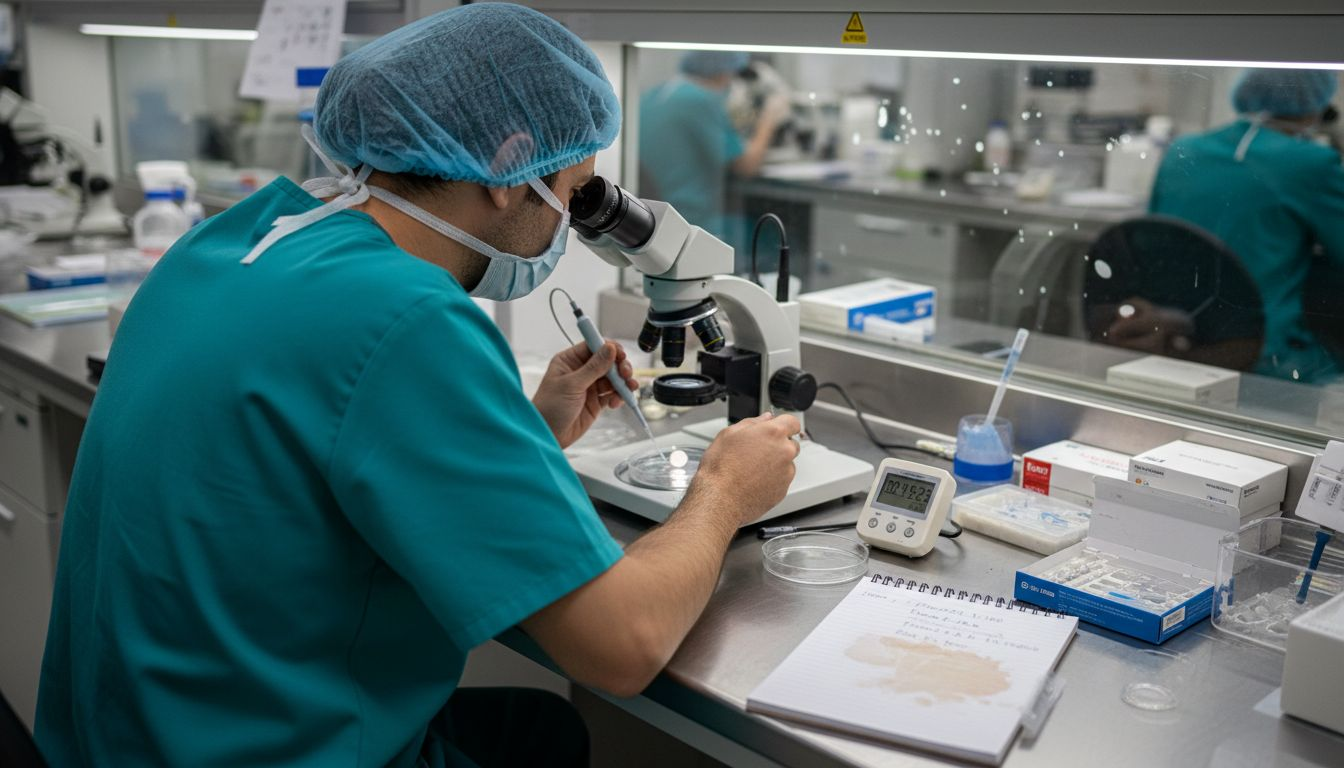
The mechanical precision of ICSI is particularly remarkable. An embryologist uses specialized micromanipulation tools to select a single sperm, immobilize it, and inject it directly into the egg’s cytoplasm. This targeted approach ensures fertilization even when traditional methods would fail, especially in cases of significant sperm abnormalities or previous fertilization failures.
Pro Tip for Fertility Treatment: Request a comprehensive sperm analysis before deciding between IVF and ICSI to understand which method might offer the highest probability of successful fertilization.
Who Benefits Most From IVF or ICSI
Choosing between In Vitro Fertilization (IVF) and Intracytoplasmic Sperm Injection (ICSI) depends on specific fertility challenges that couples and individuals face. Fertility treatment options require careful consideration of individual reproductive health conditions.
Different fertility scenarios call for unique approaches, making the selection between IVF and ICSI highly personalized. Understanding your specific reproductive challenges is crucial in determining the most effective treatment strategy.
Here are key scenarios where each technique proves most beneficial:
IVF is Ideal for Patients With:
Unexplained infertility
Mild male factor fertility issues
Blocked fallopian tubes
Endometriosis
Women under 35 with good egg quality
Couples with normal sperm parameters
ICSI is Recommended When:
Severe male factor infertility
Low sperm count
Poor sperm motility
Abnormal sperm morphology
Previous IVF fertilization failures
Genetic screening requirements
Advanced maternal age with complex fertility challenges
The selection between IVF and ICSI is not a one-size-fits-all decision. Factors such as age, reproductive history, specific infertility diagnosis, and previous treatment outcomes play critical roles in determining the most appropriate method.
Pro Tip for Treatment Selection: Schedule a comprehensive fertility assessment with a reproductive specialist to receive personalized recommendations tailored to your unique reproductive profile.
Success Rates and Cost Differences Explained
Understanding the financial and clinical implications of In Vitro Fertilization (IVF) and Intracytoplasmic Sperm Injection (ICSI) is crucial for patients navigating fertility treatments. Fertility treatment comparisons reveal nuanced differences in success rates and cost structures that can significantly impact treatment decisions.
The financial landscape of fertility treatments is complex, with ICSI typically requiring more specialized resources and labor-intensive procedures. This translates into higher overall costs compared to conventional IVF, particularly when specialized micromanipulation techniques are necessary.
Key comparative factors include:
Cost Considerations:
IVF Average Costs:
Lower baseline procedure expenses
Less specialized equipment required
More straightforward laboratory procedures
Generally more cost-effective first-line treatment
ICSI Average Costs:
Higher procedural expenses
Advanced micromanipulation technologies
Specialized embryologist skills
More complex laboratory protocols
Success Rate Comparisons:
Similar live birth rates in non-male factor infertility
ICSI shows clear advantages in male factor infertility
Success potentially influenced by individual patient characteristics
Genetic screening capabilities can impact overall outcomes
The choice between IVF and ICSI ultimately depends on individual reproductive challenges, with cost being just one of several critical decision-making factors. Patients should consider their specific medical history, fertility diagnosis, and potential genetic screening needs when evaluating these treatment options.
Here’s a summary of financial and outcome differences for both treatments:
Factor | IVF | ICSI |
Procedure Cost | Lower, basic lab fees | Higher, specialized tools |
Skill Level | Standard reproductive lab | Highly trained embryologist |
Success Advantage | Good for general infertility | Higher in male infertility |
Extra Benefits | Cost-effective option | Allows genetic screening |
Pro Tip for Financial Planning: Request comprehensive cost breakdowns and success rate statistics from your fertility clinic to make an informed treatment decision.
Potential Risks, Limitations, and Misconceptions
Understanding the potential risks and limitations of In Vitro Fertilization (IVF) and Intracytoplasmic Sperm Injection (ICSI) is essential for making informed reproductive decisions. Fertility treatment risks reveal complex considerations that extend beyond simple medical procedures.
Both IVF and ICSI carry unique risks and potential complications that patients must carefully evaluate. While these advanced reproductive technologies offer hope for many struggling with infertility, they are not without potential medical and psychological challenges.
Key risks and misconceptions include:
IVF Specific Risks:
Potential ovarian hyperstimulation syndrome
Multiple pregnancy risks
Higher chances of ectopic pregnancy
Psychological stress during treatment
Potential hormonal fluctuations
ICSI Specific Risks:
More invasive laboratory manipulation
Potential embryo damage during microinjection
Slight increase in genetic abnormality risks
Higher procedural complexity
Increased emotional and financial investment
Common Misconceptions:
ICSI is superior to IVF in all fertility scenarios
More expensive procedures guarantee higher success rates
Technological complexity always translates to better outcomes
Single treatment approach works for all patients
Age is the only determining factor in fertility success
Patients must recognize that while these technologies offer remarkable reproductive opportunities, they are not guaranteed solutions. Individual medical histories, genetic factors, and specific fertility challenges play crucial roles in determining potential success.
Pro Tip for Risk Management: Conduct comprehensive genetic screening and discuss potential risks comprehensively with your reproductive specialist before committing to any fertility treatment.
Discover Your Personalized Path to Parenthood with Expert IVF and ICSI Solutions
Choosing between IVF and ICSI can feel overwhelming when facing fertility challenges like severe male factor infertility or unexplained infertility. The article highlights key differences in fertilization techniques and important factors such as sperm quality and success rates. If you are seeking the best treatment tailored to your unique reproductive profile, understanding these options firsthand is critical for achieving your dream of parenthood.
At Rejuvenating Fertility Center, we combine advanced reproductive technologies like IVF and ICSI with innovative treatments including Mitochondrial Replacement Therapy and stem cell therapies to improve egg and embryo quality. Led by Dr. Zaher Merhi, our expert team offers personalized care designed to meet your specific fertility needs with compassionate support.
Take control of your fertility journey today and explore cutting-edge solutions that address both traditional and complex fertility issues.

Ready to find your most effective fertility treatment with a trusted leader in reproductive medicine Call us now or visit https://rfcbahamas.com to schedule your comprehensive consultation and begin your path toward successful conception.
Frequently Asked Questions
What is the main difference between IVF and ICSI?
In IVF, eggs and sperm are combined in a laboratory dish allowing natural selection, while in ICSI, a single sperm is directly injected into an egg. This key difference addresses specific fertility challenges, particularly severe male factor infertility in the case of ICSI.
Who should consider ICSI over IVF?
ICSI is recommended for individuals experiencing severe male factor infertility, including low sperm count, poor motility, or abnormal morphology. It is also beneficial for those who have previously experienced fertilization failures with IVF.
What are the success rates for IVF and ICSI?
Success rates for both IVF and ICSI can be similar in cases of non-male factor infertility. However, ICSI has shown clear advantages for patients with male infertility issues. Individual patient characteristics also significantly influence outcomes.
Are there any risks associated with IVF and ICSI?
Both IVF and ICSI come with risks, including ovarian hyperstimulation syndrome, multiple pregnancies, and potential embryo damage in ICSI. It’s important for patients to discuss these risks with their reproductive specialist prior to treatment.
Recommended
Comments