
Step by Step Ovarian Rejuvenation for Improved Fertility

Facing diminished ovarian reserve can make building your family feel uncertain, especially as you explore advanced fertility options beyond what you have already tried. For women over 40, understanding whether you are an ideal candidate for ovarian rejuvenation is the first essential step toward finding hope in innovative therapies. This guide walks you through the specialized evaluation, testing, therapy selection, and monitoring strategies that international clinics use to personalize the most promising ovarian rejuvenation treatments for your unique reproductive journey.
Table of Contents
Quick Overview
Critical Insight | Detailed Insight |
1. Assess Your Eligibility Thoroughly | A comprehensive evaluation of your reproductive health is essential to determine candidacy for ovarian rejuvenation therapies. |
2. Organize Medical Records Diligently | Collecting and organizing all relevant medical documents is crucial for your fertility specialist to design an effective treatment plan. |
3. Choose the Right Therapy Carefully | Selecting the appropriate ovarian rejuvenation therapy must consider your unique health profile and individual treatment goals. |
4. Follow Treatment Protocols Precisely | Adhering to prescribed treatment protocols and maintaining close communication with your medical team is key to optimizing outcomes. |
5. Regularly Monitor Progress and Adapt | Continuous assessment and adjustment of your treatment based on ongoing evaluations will enhance your chances of success. |
Step 1: Assess Eligibility for Ovarian Rejuvenation
Understanding your candidacy for ovarian rejuvenation is the crucial first step in exploring fertility restoration strategies. This assessment helps determine whether advanced reproductive treatments can effectively improve your chances of successful pregnancy.
The initial screening process involves a comprehensive evaluation of your reproductive health markers. Medical professionals will conduct detailed diagnostics to assess your eligibility, focusing on several critical factors:
Anti-Müllerian hormone (AMH) levels
Follicle Stimulating Hormone (FSH) baseline values
Age range and reproductive history
Previous fertility treatment outcomes
Overall reproductive health status
Researchers have identified specific criteria for determining optimal candidates for ovarian rejuvenation. Diagnostic markers for ovarian reserve play a pivotal role in predicting potential treatment success. Women typically considered ideal candidates include those experiencing:
Diminished ovarian reserve
Premature ovarian insufficiency
Unexplained infertility challenges
Advanced reproductive age (usually over 35)
Your fertility specialist will perform a thorough assessment, which may include specialized blood tests, ultrasound imaging, and a comprehensive review of your medical history. This detailed evaluation ensures a personalized approach to determining whether ovarian rejuvenation techniques could enhance your fertility potential.
Key Insight: Not all patients are equally suited for ovarian rejuvenation. A precise, individualized diagnostic approach is essential for identifying the most promising candidates.
Pro tip: Bring a complete medical history and be prepared to discuss previous fertility treatments to help your specialist make the most accurate eligibility assessment.
Step 2: Gather Medical Records and Complete Testing
Preparing for ovarian rejuvenation involves a comprehensive documentation and testing process that will help your medical team develop a personalized treatment strategy. This critical step requires meticulous organization and thorough medical record compilation to ensure the most accurate assessment of your reproductive health.
Your medical record gathering should include a systematic collection of documentation from multiple sources. Key records you’ll need to compile encompass:
Previous fertility treatment reports
Gynecological medical history
Hormone panel test results
Surgical history
Genetic screening documents
Ultrasound and imaging reports
Complete reproductive health timeline
To streamline your testing process, consult your infertility testing checklist to ensure you haven’t missed any critical diagnostic evaluations. Your fertility specialist will likely recommend a series of specialized tests to evaluate your reproductive potential, which may include:
Comprehensive hormone level assessment
Antral follicle count via transvaginal ultrasound
Genetic carrier screening
Comprehensive metabolic panel
Thyroid function tests
Carefully organizing these documents and test results will provide your medical team with a comprehensive view of your reproductive health, enabling them to design the most effective ovarian rejuvenation approach tailored specifically to your needs.
Key Insight: Thorough documentation is not just paperwork - it’s a roadmap to understanding your unique fertility journey and potential treatment pathways.
Pro tip: Create a digital folder with high-quality scans of all medical documents to ensure easy sharing and backup of your critical medical information.
Step 3: Select the Right Rejuvenation Therapy
Choosing the appropriate ovarian rejuvenation therapy is a nuanced decision that requires careful consideration of your unique reproductive health profile. This critical step involves evaluating multiple treatment options to determine the most promising approach for improving your fertility potential.
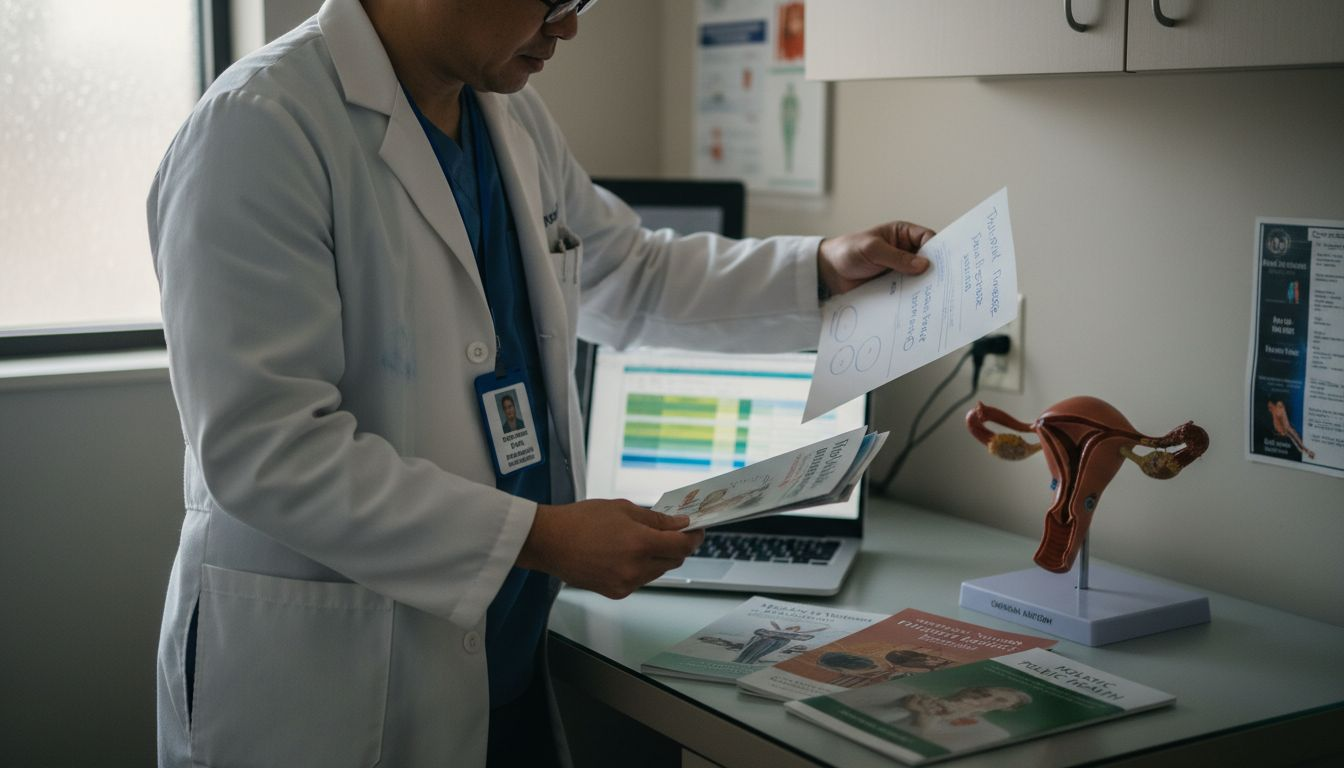
The landscape of ovarian rejuvenation offers several innovative therapies, each with distinct characteristics and potential benefits. Emerging rejuvenation treatment modalities demonstrate varying levels of effectiveness, making personalized selection crucial. Your potential treatment options typically include:
Here’s a comparison of leading ovarian rejuvenation therapies and their main characteristics:
Therapy Type | Main Mechanism | Potential Benefits |
Platelet-Rich Plasma (PRP) | Growth factor stimulation | Enhanced follicle activation |
Stem Cell Therapies | Cellular regeneration | Potential ovarian tissue repair |
Growth Factor Treatments | Targeted cell signaling | Improved follicular development |
Mitochondrial Replacement | Cellular energy renewal | Possible increased oocyte quality |
Hormonal Stimulation Protocols | Endocrine modulation | Boosted ovulation response |
Platelet-Rich Plasma (PRP) Injections
Stem Cell Therapies
Growth Factor Treatments
Mitochondrial Replacement Techniques
Hormonal Stimulation Protocols
Key factors to consider when selecting your rejuvenation therapy involve:
Current ovarian reserve status
Age and reproductive health history
Previous fertility treatment outcomes
Specific reproductive challenges
Overall health and medical background
Your fertility specialist will conduct a comprehensive assessment to recommend the most suitable therapy. They will analyze your medical records, diagnostic test results, and personal fertility goals to develop a targeted rejuvenation strategy that maximizes your chances of successful conception.
Key Insight: Ovarian rejuvenation is not a one-size-fits-all solution. The most effective approach is a carefully personalized treatment plan tailored to your specific reproductive needs.
Pro tip: Request a detailed explanation of potential risks, success rates, and expected outcomes for each recommended therapy to make a fully informed decision.
Step 4: Follow Treatment Protocols Under Expert Guidance
Navigating your ovarian rejuvenation treatment requires precision, dedication, and close collaboration with your medical team. This critical phase demands meticulous adherence to specialized protocols designed to optimize your reproductive potential and ensure your safety throughout the process.
Ovarian rejuvenation treatment protocols typically involve sophisticated medical procedures that require expert supervision. Your treatment journey will likely include the following key stages:
Initial consultation and personalized protocol design
Medical preparation and screening
Treatment administration
Post-procedure monitoring
Follow-up assessments
Potential treatment adjustments
The specific treatment approach may involve various techniques, including:
Laparoscopic platelet-rich plasma (PRP) injections
Transvaginal treatment administration
Hormone level monitoring
Follicle growth tracking
Menstrual cycle restoration assessment
Your fertility specialist will design a customized treatment roadmap that considers your unique reproductive health profile. This individualized approach ensures that each stage of the rejuvenation process is carefully tailored to maximize your chances of improving ovarian function and fertility potential.
Key Insight: Successful ovarian rejuvenation is a collaborative journey between you and your medical team, requiring patience, precision, and personalized care.
Pro tip: Maintain a detailed personal health journal during your treatment to track changes, document symptoms, and provide comprehensive feedback to your medical team.
Step 5: Monitor Results and Adjust for Best Outcomes
Tracking the progression of your ovarian rejuvenation treatment requires systematic monitoring and a flexible approach to optimize your fertility potential. This crucial phase involves comprehensive evaluation of your body’s response to the intervention and potential fine-tuning of your treatment strategy.
Comprehensive post-treatment monitoring strategies play a pivotal role in assessing your reproductive health progress. Your medical team will systematically evaluate multiple key indicators to gauge treatment effectiveness:
Anti-Müllerian hormone (AMH) level tracking
Follicle-stimulating hormone (FSH) assessment
Antral follicle count measurements
Ovarian stimulation response evaluation
Potential pregnancy marker monitoring
The monitoring process will involve several critical assessment stages:
The following table summarizes key milestones to track during post-rejuvenation monitoring:
Monitoring Stage | Assessment Focus | Typical Timeline |
Baseline evaluation | Hormone and follicle count | Pre-treatment phase |
Mid-treatment review | Ovarian response to therapy | 2-4 weeks after procedure |
Follow-up ultrasound | Follicle size and growth tracking | 4-6 weeks post-treatment |
Final outcome assessment | Pregnancy markers and cycles | 2-6 months post-procedure |
Protocol adjustment | Modify based on patient response | As needed throughout care |
Baseline reproductive health comparison
Regular hormonal panel reviews
Ultrasound imaging of ovarian structure
Fertility potential progression tracking
Potential protocol modifications
Your fertility specialist will develop a personalized monitoring framework that adapts to your unique physiological responses. This dynamic approach ensures that your treatment remains optimized, with interventions adjusted based on real-time data and observable changes in your reproductive health.
Key Insight: Successful ovarian rejuvenation is not a static process, but a dynamic journey of continuous assessment and strategic refinement.
Pro tip: Maintain open, transparent communication with your medical team, documenting and reporting any physiological changes or symptoms you experience during the monitoring phase.
Discover Advanced Ovarian Rejuvenation Solutions Tailored to You
Facing challenges with diminished ovarian reserve or unexplained infertility can feel overwhelming. This article highlights the critical steps needed to assess eligibility, select the right therapy, and monitor progress for ovarian rejuvenation. If you are seeking personalized treatment options that go beyond traditional fertility methods, it is important to find a center that offers cutting-edge therapies like Stem Cell Therapy and Mitochondrial Replacement. These innovative approaches target ovarian function restoration and egg quality improvement, providing hope for women who want to reclaim their fertility with scientifically-backed care.
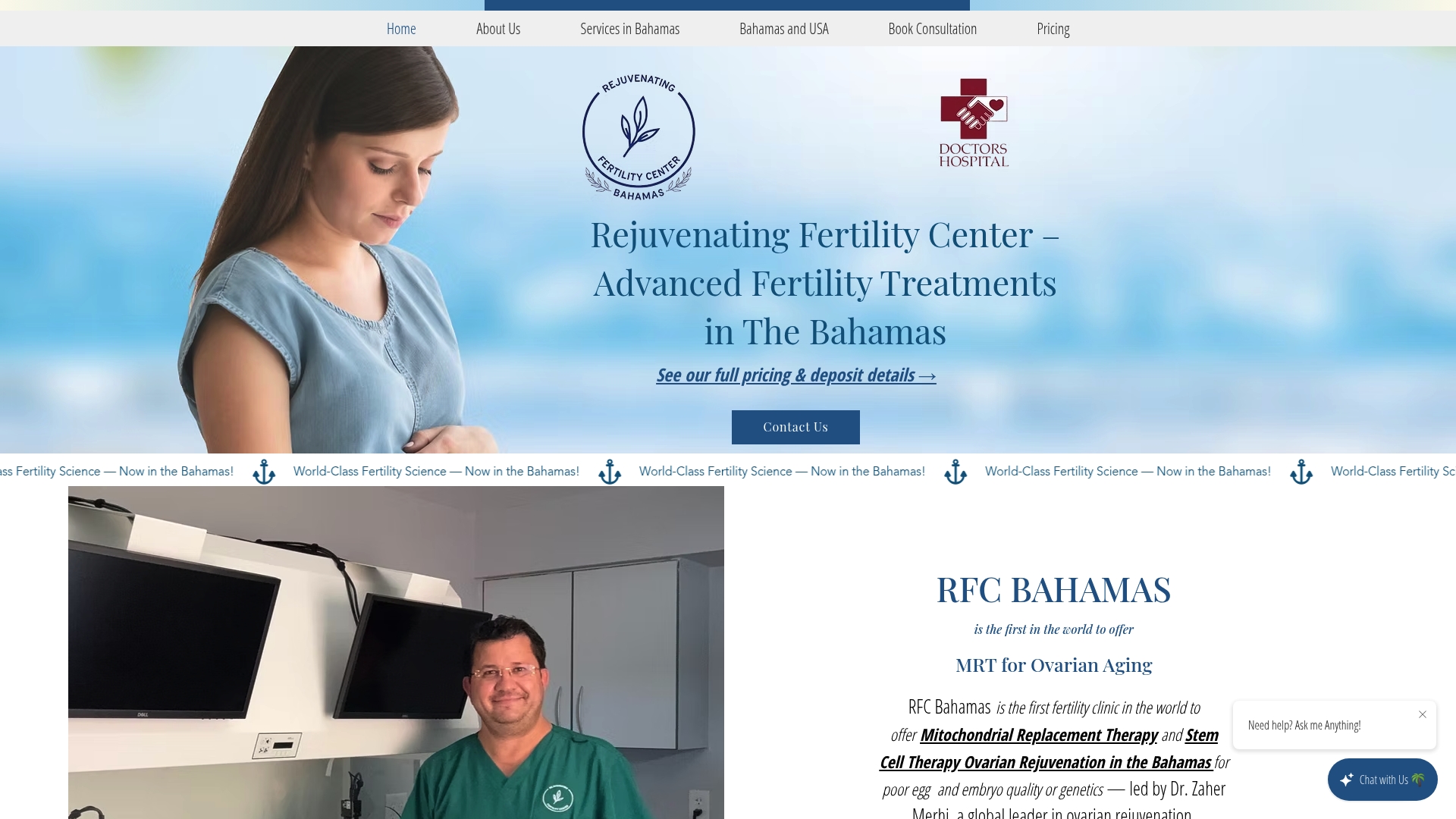
Take the next step in your fertility journey today by exploring the advanced treatment options available at the Rejuvenating Fertility Center in The Bahamas. Led by Dr. Zaher Merhi, our team specializes in customized protocols designed to maximize your chances for success. Learn more about our comprehensive ovarian rejuvenation programs and book a consultation to assess your individual needs. Visit https://rfcbahamas.com now to start a new chapter in your path to motherhood.
Frequently Asked Questions
What are the eligibility criteria for ovarian rejuvenation?
To be considered for ovarian rejuvenation, your reproductive health will be evaluated based on factors like Anti-Müllerian hormone (AMH) levels, Follicle Stimulating Hormone (FSH) values, age, and reproductive history. Schedule a consultation with a fertility specialist to assess these key indicators and determine your candidacy.
What type of medical records should I gather for ovarian rejuvenation?
You should compile a comprehensive collection of documents, including previous fertility treatment reports, gynecological history, hormone panel results, and ultrasound reports. Organize these records systematically to provide your medical team with a clear view of your reproductive health status.
How do I choose the right ovarian rejuvenation therapy?
Selecting the proper therapy involves assessing your ovarian reserve status, age, previous fertility outcomes, and specific reproductive challenges. Discuss these factors with your fertility specialist to receive a tailored recommendation for the most suitable treatment option based on your unique health profile.
What is the typical monitoring process after undergoing ovarian rejuvenation?
After treatment, your progress will be monitored through evaluations of hormone levels and follicle growth, typically involving regular blood tests and ultrasounds. Keep track of your treatment milestones to ensure any necessary adjustments can be made within a few weeks of the procedure.
How can I prepare for my ovarian rejuvenation consultation?
To prepare for your consultation, bring a complete medical history and be ready to discuss prior fertility treatments and any related concerns. Being well-prepared can help your specialist make a more accurate assessment of your fertility options.
What should I do if I experience changes during the monitoring phase after treatment?
If you notice any physiological changes or symptoms during the monitoring phase, communicate these with your medical team immediately. Document your symptoms clearly to ensure your treatment plan can be adjusted as needed for the best outcomes.
Recommended
Comments