
Why Fertility Treatments Fail – Advanced Age Insights

Every step in the fertility journey brings new questions, especially when conventional treatments fall short for women over 40. The definition of fertility treatment failure goes far beyond a single unsuccessful IVF cycle—it shifts with each stage, diagnosis, and personal goal. For women navigating diminished ovarian reserve and exploring advanced options such as mitochondrial replacement therapy or stem cell treatments, understanding these boundaries is crucial. This article clarifies how treatment failure is defined and why that matters when considering innovative solutions and international high-tech reproductive care.
Table of Contents
Key Takeaways
Point | Details |
Understanding Fertility Treatment Failure | Fertility treatment failure varies based on age, treatment types, and individual goals; recognizing this complexity is essential for informed decision-making. |
Advanced Age Treatment Challenges | Women over 40 face unique biological challenges, including declining egg quality and chromosomal abnormalities, impacting fertility treatment success. |
Consider Advanced Interventions | If conventional IVF fails, explore advanced therapies like mitochondrial or stem cell treatments that specifically target age-related issues. |
Clinical and Financial Implications | The emotional, financial, and clinical ramifications of repeated treatment failures necessitate thoughtful planning and discussions with healthcare providers. |
Defining Fertility Treatment Failure
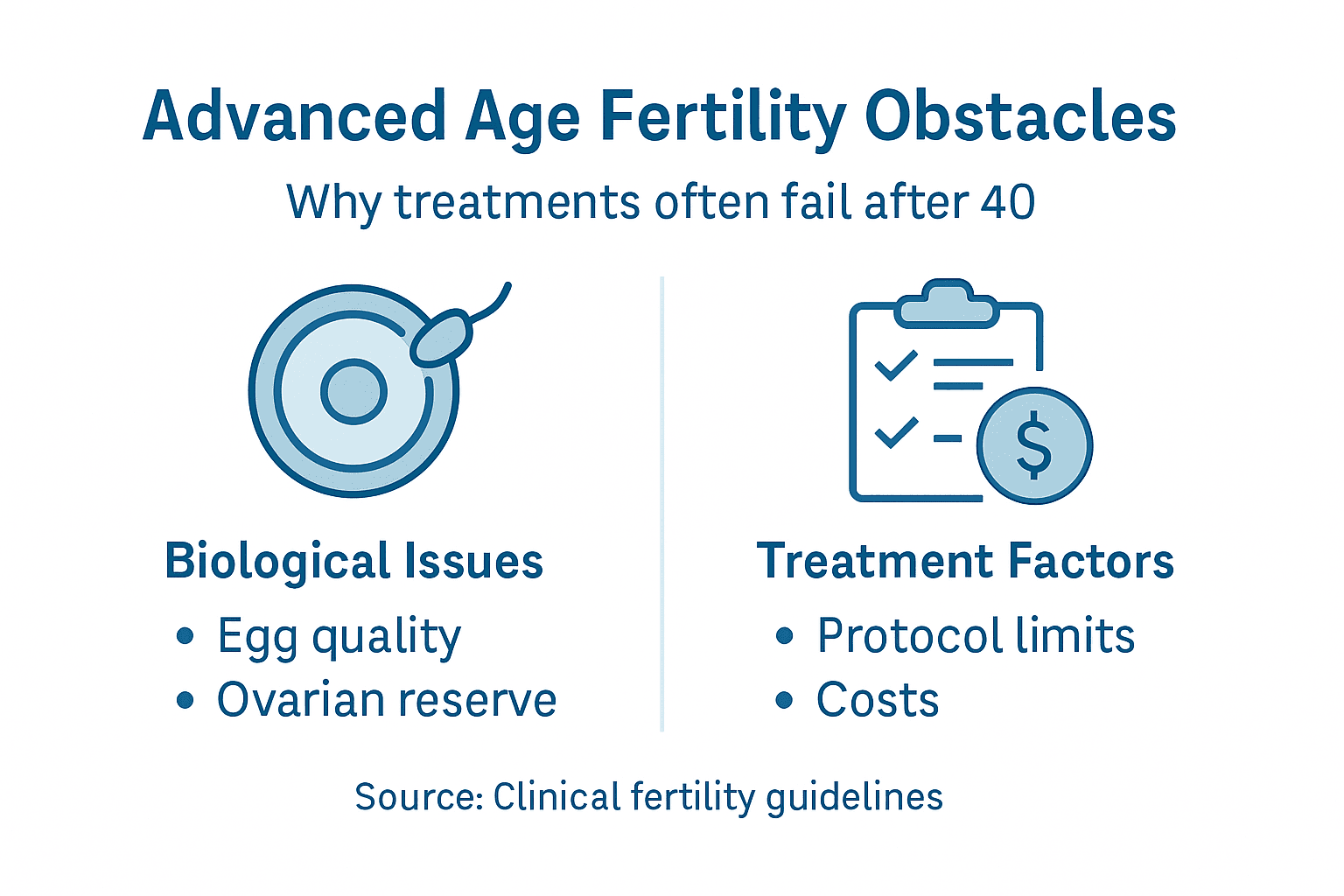
Fertility treatment failure isn’t always a straightforward concept. What counts as failure depends on where you are in the process, what treatments you’ve tried, and what your specific goals are. For women over 40 seeking advanced treatments like mitochondrial replacement therapy or stem cell therapy, understanding this definition matters deeply because it shapes decisions about continuing treatment, changing approaches, or exploring international options like those available at specialized centers.
According to clinical guidelines, inability to conceive following assisted reproduction represents the core definition of treatment failure. But this single definition masks a more complex reality. Failure can occur at multiple points: during egg retrieval, when fertilization doesn’t happen, when embryos fail to develop properly, or when a transfer doesn’t result in implantation. You might produce healthy eggs in one cycle and face complete fertilization failure in the next. The variability is what makes advanced age particularly challenging.
For women in your situation, failure often connects directly to egg quality. After age 40, chromosomal abnormalities become increasingly common, and your eggs may look healthy under a microscope but carry genetic issues that prevent successful implantation or development. This isn’t the same as failed ovarian stimulation or retrieval problems. The eggs exist, they fertilize, but the embryos cannot sustain a pregnancy. Understanding this distinction matters because it informs whether you pursue egg quality improvement strategies like stem cell therapy or mitochondrial-based interventions.
Treatment failure at different stages requires different responses. Early-stage failure (poor ovarian response, minimal egg retrieval) suggests your reproductive system isn’t responding as expected to hormonal stimulation. Late-stage failure (fertilization problems, embryo quality issues, implantation failure) indicates your eggs themselves need support. This is precisely why advanced treatment options for ovarian rejuvenation target the root cause rather than simply repeating conventional protocols.
Age compounds every aspect of this definition. Your 41-year-old eggs behave differently than your 35-year-old eggs. The decline in mitochondrial function means your eggs produce less energy, affecting their ability to divide properly, implant successfully, and develop into healthy embryos. When conventional IVF fails at age 40 or 42, failure often stems from these cellular-level problems rather than procedural errors.
Pro tip: Request a detailed failure analysis after each unsuccessful cycle—specifically ask about fertilization rates, embryo development patterns, and genetic screening results—because this data reveals whether your next treatment should focus on stimulation protocols, embryo quality improvement, or advanced therapies targeting mitochondrial function.
Types of Fertility Treatments for Advanced Age
When you’re over 40 and facing infertility, your treatment options span a wider range than many women realize. The choices depend on your specific situation—whether you have low egg reserves, poor egg quality, or both—and what you’ve already tried. Most women your age start with conventional approaches, but if those fail, advanced therapies become critical to consider.
Ovulation induction and conventional IVF form the foundation of treatment for advanced age. Medications stimulate your ovaries to produce multiple eggs, which are then retrieved and fertilized in a laboratory. This works well if your ovaries respond adequately to hormonal stimulation. However, women over 40 often face a frustrating reality: the medications work, eggs are retrieved, but the quality issues prevent successful fertilization or implantation. This is precisely why age-related fertility treatment options emphasize personalized treatment planning rather than one-size-fits-all protocols.
ICSI (Intracytoplasmic Sperm Injection) injects a single sperm directly into each egg. Many women over 40 use this even without male factor infertility, hoping it increases fertilization rates when egg quality is marginal. Results vary significantly depending on your specific egg quality issues.
Donor egg cycles represent another path. Using younger donor eggs dramatically improves success rates because chromosomal abnormalities decrease with donor age. For women committed to using their own eggs, advanced interventions like stem cell therapy and mitochondrial approaches aim to improve your egg quality directly, targeting the energy production problems that commonly affect older eggs.
Third-party reproduction options include egg donation and surrogacy. Egg donation bypasses age-related egg quality issues entirely. Surrogacy addresses uterine factors or health conditions preventing pregnancy, though age-related egg quality remains a consideration if using your own eggs.
Your treatment choice depends on multiple factors: how many previous cycles you’ve completed, whether you have a male partner with fertility issues, your financial resources, and your personal comfort with different approaches. Many women combine treatments strategically, moving from conventional IVF to advanced protocols when initial cycles fail.
Pro tip: Before committing to additional conventional IVF cycles, request comprehensive egg quality assessment including genetic screening and mitochondrial function testing, as this data determines whether conventional repetition or advanced interventions like mitochondrial-focused therapies offer better success odds for your situation.
Core Biological and Genetic Obstacles
Your age brings specific biological challenges that don’t exist for younger women. These aren’t problems with your body failing you, but rather the natural consequences of how human reproduction works at the cellular level. Understanding what’s actually happening inside your eggs makes fertility treatment decisions clearer and less frustrating.
The primary issue centers on mitochondrial function. Your eggs contain thousands of mitochondria that generate the energy needed for fertilization, cell division, and embryo development. Over time, mitochondrial DNA accumulates damage and becomes less efficient at producing ATP, the cellular fuel your eggs desperately need. A 40-year-old egg requires significantly more energy to divide properly than a 30-year-old egg, but produces less of it. This energy deficit explains why your eggs may look morphologically normal under a microscope but fail at critical developmental moments.
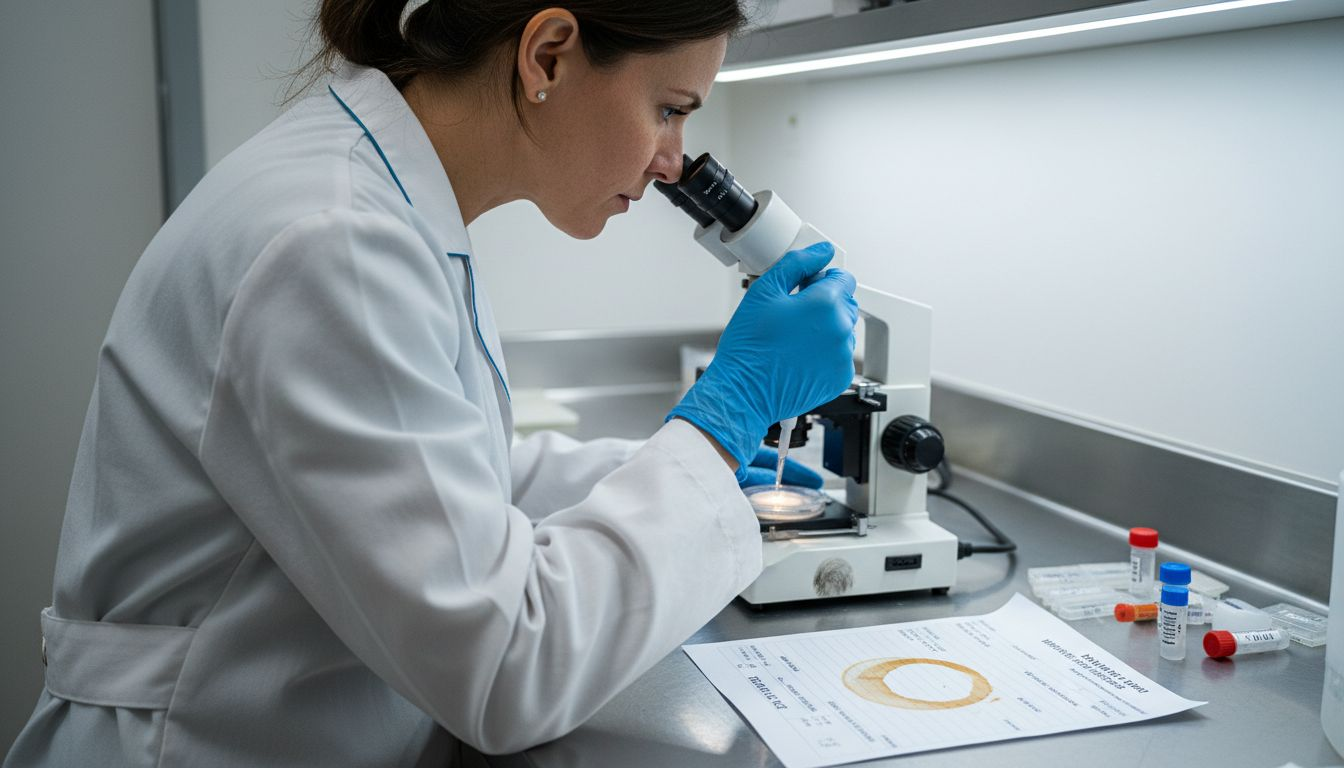
Chromosomal abnormalities represent the second major obstacle. Genetic factors contribute to approximately half of infertility cases, and advanced maternal age dramatically increases the risk of aneuploidy—having the wrong number of chromosomes. Your eggs were created during fetal development, and the proteins holding chromosome pairs together gradually deteriorate over decades. By age 42, roughly 70 percent of your eggs carry chromosomal errors. These defects often prevent fertilization, cause embryo arrest, or result in miscarriage.
Hormonal dysregulation compounds these issues. Endocrine factors affecting ovulation and hormone secretion become increasingly relevant as women age. Your pituitary and ovarian function shift, FSH levels rise, and the delicate hormonal orchestration required for healthy egg development becomes less coordinated. This means your ovaries may not respond optimally to fertility medications.
There’s also oxidative stress within your aging eggs. Free radicals accumulate and damage cellular structures. Your eggs’ natural antioxidant defenses weaken over time, leaving them vulnerable to this damage.
These obstacles explain why repeating the same IVF protocol that failed previously rarely works. Your biological challenges require targeted interventions that specifically address mitochondrial function, oxidative stress, and egg quality at the cellular level.
Here’s a comparison of key biological challenges affecting fertility in women over 40:
Challenge | Underlying Cause | Impact on Fertility |
Mitochondrial dysfunction | Aging egg energy decline | Poor embryo development |
Chromosomal abnormalities | Increased DNA errors with age | Higher miscarriage, failed IVF |
Hormonal dysregulation | Reduced ovarian and pituitary response | Fewer mature eggs retrieved |
Oxidative stress | Cellular damage from free radicals | Lower egg and embryo quality |
Pro tip: Request testing for mitochondrial function markers and request preimplantation genetic testing on all embryos, as these diagnostics reveal whether your obstacles are primarily chromosomal, energy-related, or both—guiding whether advanced therapies like stem cell treatment should target mitochondrial rejuvenation specifically.
Impact of Diminished Ovarian Reserve
Diminished ovarian reserve is the silent saboteur behind many treatment failures for women over 40. It’s not a dramatic problem you can see or feel, but rather a progressive decline in both the number and quality of your remaining eggs. This distinction matters because it determines what treatments might actually work for you.
The quantity problem comes first. You’re born with roughly one to two million eggs, a number that declines continuously throughout your life. By age 40, you have around 5 percent of your starting supply. By 45, it’s closer to 3 percent. Fewer eggs means fewer chances to retrieve healthy ones, fewer opportunities to achieve fertilization, and less room for selective embryo transfer. Cycle cancellations increase dramatically because stimulation protocols fail to produce sufficient eggs for retrieval.
Quality decline matters even more. Reduced ovarian reserve biomarkers like AMH and AFC indicate not just quantity loss but also qualitative deterioration. Your remaining eggs contain the damaged mitochondria and chromosomal errors discussed earlier. Even if you retrieve ten eggs, perhaps only one or two produce viable embryos. This quality issue explains why pregnancy rates drop so sharply after age 42, even with modern IVF technology.
Treatment outcomes shift significantly with DOR. Severe diminished ovarian reserve strongly predicts poor ovarian response and decreased live birth rates. Your eggs respond less reliably to hormonal stimulation medications. You produce fewer eggs. Those eggs fertilize less frequently. Embryos develop more slowly and show lower euploidy rates, meaning more chromosomal abnormalities. The entire chain of events becomes increasingly problematic.
Conventional IVF protocols often fail with DOR because they were designed for women with normal ovarian reserves. Standard medication doses may overstimulate your ovaries without producing quality eggs, or understimulate them entirely. This is why individualized approaches targeting ovarian rejuvenation strategies through advanced therapies become critical. Stem cell treatment and mitochondrial-focused interventions address the root cause rather than simply adjusting medication doses.
Understanding your reserve status changes everything about treatment planning. It’s not about trying harder with conventional methods. It’s about selecting therapies aligned with your actual reproductive biology.
Pro tip: Get baseline AMH, FSH, and antral follicle count testing before pursuing additional cycles, then request a frank conversation with your fertility specialist about whether your reserve status supports conventional IVF success or whether advanced egg quality improvement therapies warrant exploration first.
The following table summarizes advanced fertility treatments, their primary goal, and considerations for women with diminished ovarian reserve:
Treatment | Main Objective | Key Consideration |
Conventional IVF | Stimulate egg production | Often poor response in DOR |
Mitochondrial therapy | Boost egg energy | Experimental, costly |
Stem cell treatment | Rejuvenate ovarian tissue | Limited clinical evidence |
Donor egg cycle | Bypass poor egg quality | Higher success but not genetic |
Limitations of Mitochondrial and Stem Cell Therapies
Mitochondrial replacement therapy and stem cell treatments represent cutting-edge approaches to egg quality problems, but they’re not magic bullets. Understanding their real limitations helps you make informed decisions rather than chasing hope-based treatments that may not deliver results for your specific situation.
The first major limitation is that these therapies remain largely experimental. Mitochondrial and stem cell treatments have significant regulatory and ethical limitations restricting their routine clinical use. Most programs offering these treatments operate in regulatory gray zones where approval varies dramatically by country. The Bahamas allows mitochondrial replacement therapy, but the United States FDA has not approved it for clinical use. This jurisdictional patchwork means outcomes data varies widely, and long-term safety profiles remain incomplete.
Technical challenges are substantial. Mitochondrial transfer involves precise surgical extraction and transfer of healthy mitochondria into compromised eggs. This process risks heteroplasmy, where both healthy and damaged mitochondrial DNA coexist in the same egg. The long-term consequences of heteroplasmy remain unknown. Stem cell therapies face similar technical hurdles. Delivering stem cells to ovarian tissue and ensuring they differentiate correctly into functional egg-supporting cells requires extraordinary precision.
Limited long-term clinical data represents another critical constraint. Incomplete understanding of mitochondrial therapy mechanisms and potential safety concerns mean we don’t know how these treatments affect embryo development years down the line. Women who underwent mitochondrial procedures five years ago are still being monitored. Children born from these therapies require ongoing observation. Success in early trials doesn’t guarantee safety across diverse patient populations or long-term reproductive outcomes.
These therapies also target specific problems. If your infertility stems from chromosomal abnormalities rather than mitochondrial dysfunction, mitochondrial therapy won’t help. Stem cell treatment works best when ovarian tissue remains responsive to treatment, not when ovarian reserve has declined to near-zero levels.
Cost represents another limitation. Advanced mitochondrial and stem cell procedures run $15,000 to $30,000 beyond standard IVF costs, making them economically inaccessible for many women.
Pro tip: Before pursuing mitochondrial or stem cell therapy internationally, request specific outcome data from your clinic for women matching your age, ovarian reserve status, and previous treatment history rather than accepting general success statistics that may not apply to your circumstances.
Clinical, Ethical, and Financial Implications
Treatment failure extends far beyond medical outcomes. The clinical, ethical, and financial consequences reshape your life in ways that statistics alone cannot capture. Understanding these broader implications helps you approach fertility decisions with realistic expectations about what you’re committing to.
Clinical safety becomes paramount at advanced ages. Comprehensive assessment and informed consent addressing potential health risks are essential before pursuing aggressive fertility treatments. Women over 42 face increased risks from ovarian hyperstimulation syndrome, blood clots, and infections related to egg retrieval. Pregnancy itself carries higher risks at advanced age, including gestational diabetes, preeclampsia, and cesarean delivery. These aren’t abstract concerns. They affect your health trajectory for years after treatment ends.
Ethical considerations create tension between your reproductive autonomy and medical responsibility. Some fertility clinics will treat almost anyone willing to pay. Others refuse treatment when medical risk exceeds acceptable thresholds. This variability means you may find clinics offering aggressive protocols in international settings that United States providers would decline. Neither approach is clearly right or wrong, but the difference matters enormously for your safety.
Financial burden becomes crushing after repeated failures. Treatment failure creates substantial psychosocial and financial impacts including high out-of-pocket costs with inadequate coverage and support services. Each IVF cycle costs $12,000 to $15,000. Advanced treatments add another $15,000 to $30,000. After three or four failed cycles, you’ve spent $60,000 to $100,000 from your own resources. Insurance rarely covers fertility treatment. Financing additional experimental procedures strains relationships and retirement savings.
Emotional and relational consequences mount silently. Treatment cycles demand multiple clinic visits, frequent blood tests, and hormonal injections affecting mood and energy. Repeated failure accumulates psychological trauma. Partners experience stress from financial pressure and emotional toll. The isolation of pursuing fertility at advanced age intensifies when treatment after treatment fails.
These implications demand honest conversations before you commit. Advanced age fertility treatment isn’t simply a medical problem with a medical solution. It’s a life decision with cascading consequences across your health, finances, relationships, and well-being.
Pro tip: Before starting any fertility treatment cycle, establish clear stopping points in advance with your partner and fertility specialist by deciding how many cycles, what financial limit, and what emotional threshold will trigger a shift toward acceptance, donor eggs, or other alternatives.
Overcome Fertility Treatment Challenges at Advanced Age with Expert Care
Facing fertility treatment failure can be overwhelming, especially when egg quality and diminished ovarian reserve stand in your way. If you have experienced unsuccessful IVF cycles or struggled with chromosomal and mitochondrial issues, you deserve personalized solutions that address these complex challenges directly. At the Rejuvenating Fertility Center, we specialize in advanced therapies such as Mitochondrial Replacement Therapy and Stem Cell Treatment designed to rejuvenate your ovarian function and improve egg quality.
Take control of your infertility journey today by exploring innovative options tailored to your unique biology. Visit us at Rejuvenating Fertility Center to schedule a consultation with Dr. Zaher Merhi and discover how cutting-edge treatments combined with expert care can redefine your chances. Do not let repeated failures define your future. Act now to get the personalized approach you need.
Frequently Asked Questions
What constitutes fertility treatment failure for women over 40?
Fertility treatment failure is defined as the inability to conceive after assisted reproduction, which can occur at various stages, including egg retrieval, fertilization, embryo development, and implantation. For women over 40, advanced age and egg quality issues often complicate this definition.
How does age affect egg quality and fertility treatments?
As women age, egg quality declines significantly due to increased chromosomal abnormalities and decreased mitochondrial function, which impacts energy production necessary for fertilization and embryo development. This makes fertility treatments like IVF less effective as age increases.
What advanced fertility treatment options are available for women over 40?
Women over 40 may consider advanced treatments such as mitochondrial therapy, stem cell therapy, and donor egg cycles. These options target underlying issues like poor egg quality and diminished ovarian reserve that commonly affect older women.
Why might mitochondrial and stem cell therapies not always be effective?
Mitochondrial and stem cell therapies are still largely experimental and can be limited by regulatory issues, technical challenges, and the need for specific conditions. Additionally, these treatments may not address all forms of infertility, particularly if chromosomal abnormalities are the primary issue.
Recommended
Comments