
Step by Step IVF Process for Improved Fertility Outcomes
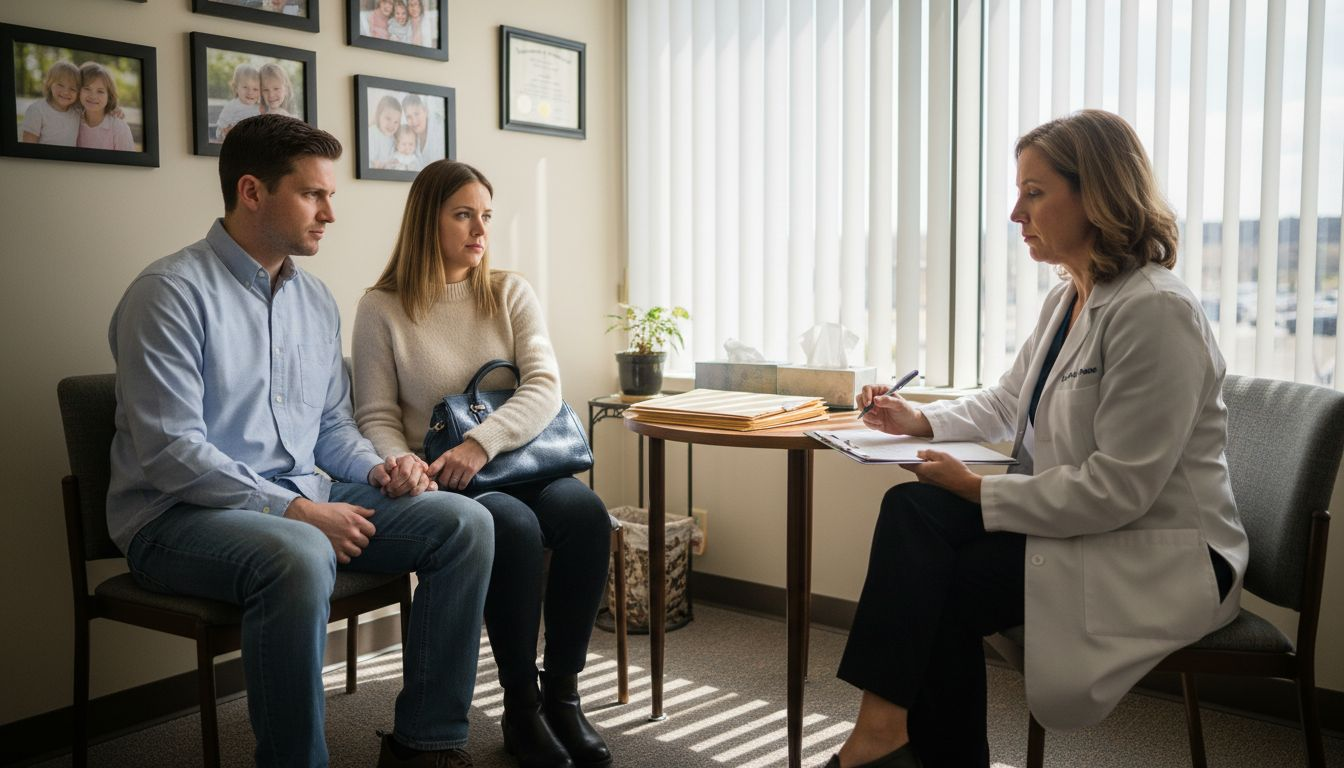
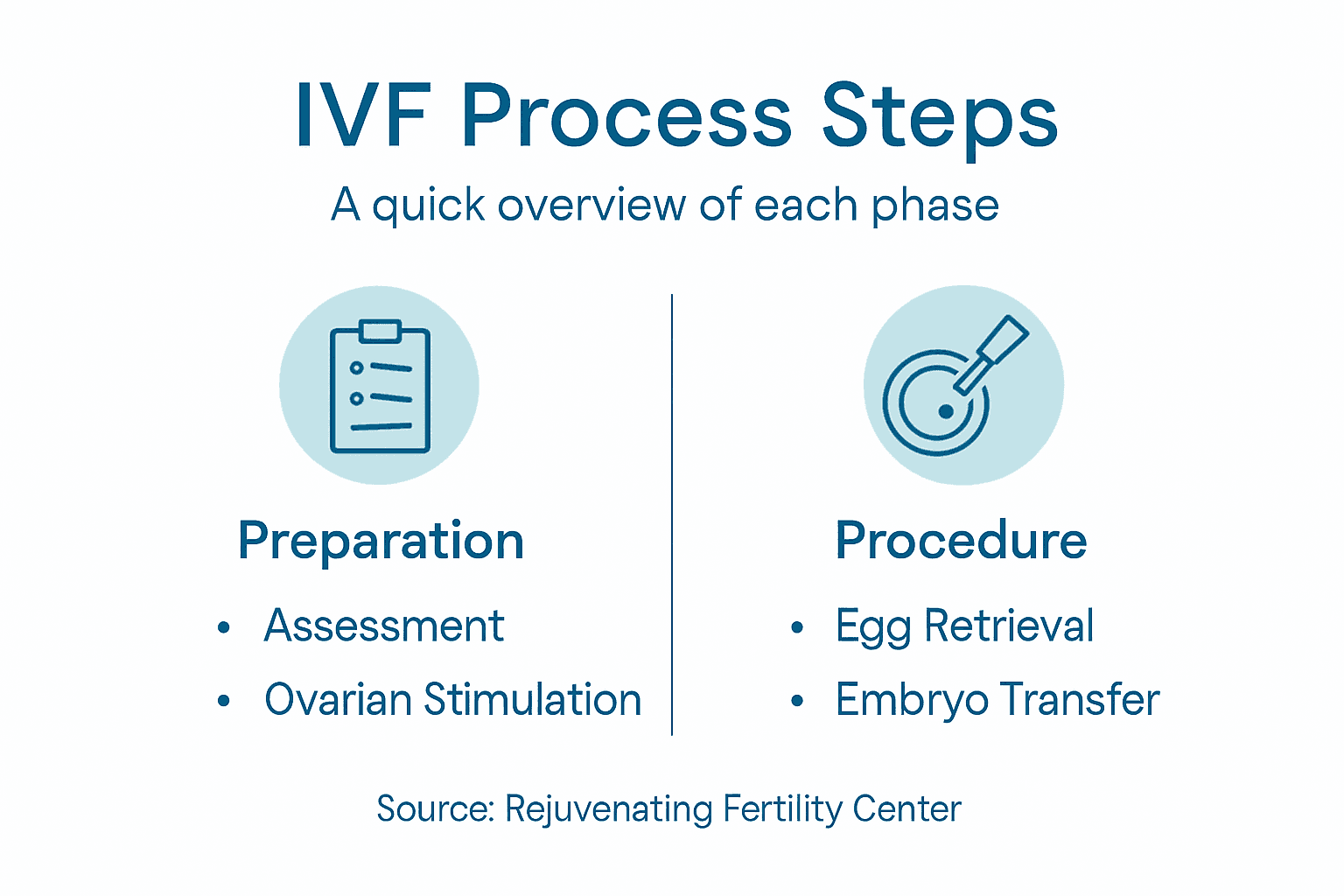
Struggling with repeated disappointment after traditional fertility treatments is a reality for many women over 40. Choosing advanced IVF care matters when diminished ovarian reserve stands in the way of your goals. A personalized fertility evaluation that includes thorough hormone testing and imaging is the foundation for tailored treatment, offering support and clarity. Discover how each step—from assessment to embryo transfer—is designed to maximize your chances and provide actionable hope for women from countries like the United States, Canada, and Australia.
Table of Contents
Quick Summary
Key Insight | Explanation |
1. Schedule an initial assessment | Contact a fertility clinic to schedule a critical first evaluation of your reproductive health. |
2. Prepare a detailed medical history | Bring a comprehensive medical history document and a list of questions to ensure thorough assessment. |
3. Monitor follicle development regularly | Attend frequent monitoring appointments during the stimulation phase to optimize egg retrieval timing. |
4. Understand your ovarian stimulation protocol | Discuss personalized protocols with your fertility specialist to improve your chances of success. |
5. Follow post-transfer care instructions | Adhere to your doctor’s guidance after embryo transfer for optimal chances of successful implantation. |
Step 1: Schedule an initial fertility assessment
Scheduling your initial fertility assessment is a critical first step in understanding your reproductive health and developing a personalized treatment strategy. This comprehensive evaluation provides crucial insights into your fertility potential and helps fertility specialists design a targeted approach tailored specifically to your needs.
To begin, contact a specialized fertility clinic like the Rejuvenating Fertility Center to arrange your initial consultation. During this appointment, your physician will conduct a thorough fertility evaluation that typically involves several key diagnostic procedures. These may include comprehensive medical history review, hormone blood tests measuring key markers like AMH and FSH, genetic screening, and advanced imaging techniques to assess your reproductive system’s health.
Expect the initial assessment to take approximately 1-2 hours and involve detailed discussions about your medical background, previous fertility experiences, and specific reproductive goals. The fertility specialist will gather information about your menstrual cycle, previous pregnancies, underlying health conditions, and lifestyle factors that might impact fertility. They will also perform physical examinations and recommend specific diagnostic tests to create a comprehensive understanding of your reproductive potential.
Pro Tip: Prepare a detailed medical history document and list of questions before your initial consultation to maximize the information you receive and ensure a thorough assessment of your fertility options.
Here is a summary of key tests and assessments performed during the initial fertility evaluation:
Assessment Type | Purpose | Common Methods |
Medical History Review | Identify risk factors and prior issues | Interview and medical records |
Hormone Blood Tests | Evaluate ovarian reserve and function | AMH, FSH, LH, estradiol testing |
Genetic Screening | Screen for inheritable fertility risks | Blood or saliva genetic panels |
Imaging Techniques | Assess reproductive organ health | Transvaginal ultrasound, HSG |
Physical Examination | Detect anatomical or hormonal issues | In-office exam by a specialist |
Step 2: Choose the right ovarian stimulation protocol
Selecting the appropriate ovarian stimulation protocol is a nuanced decision that can significantly impact your IVF success rates. This critical step requires careful evaluation of your unique reproductive characteristics and fertility potential to optimize egg production and minimize potential risks.
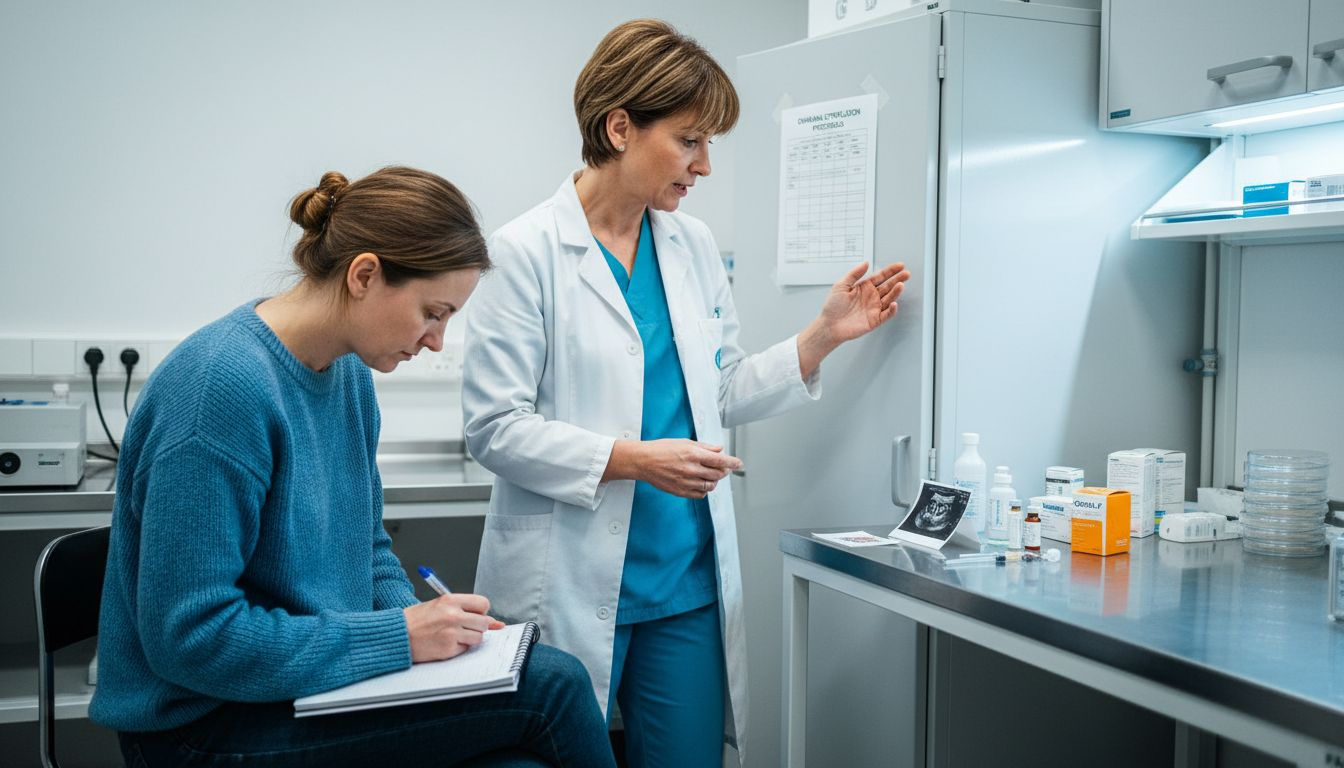
Fertility specialists will typically assess your ovarian stimulation protocols based on several key factors including your age, ovarian reserve, previous reproductive history, and individual hormone profile. The most common approaches include GnRH antagonist and agonist protocols, each designed to manage follicle development and prevent premature ovulation. For women with diminished ovarian reserve or those predicted to have lower response rates, customized protocols might involve adjusted medication dosages or alternative stimulation strategies.
Your reproductive endocrinologist will conduct comprehensive testing to determine the most suitable protocol. This typically involves measuring antral follicle count, evaluating anti-Müllerian hormone levels, and reviewing your complete medical history. The goal is to strike a delicate balance between generating multiple high-quality eggs and avoiding ovarian hyperstimulation syndrome a potential complication that can compromise your treatment safety.
Pro Tip: Request a detailed explanation of your personalized stimulation protocol and ask about potential alternative approaches that might improve your specific fertility outcomes.
Below is a comparison of common ovarian stimulation protocols used in IVF:
Protocol Type | Typical Candidate Profile | Main Benefits | Possible Risks |
GnRH Antagonist | Most first-time IVF patients | Shorter duration, lower OHSS risk | Requires daily injections |
GnRH Agonist | Patients needing suppression | Well-studied, good cycle control | Longer, risk of cysts |
Mild Stimulation | Low ovarian reserve or older | Fewer meds, lower side effects | Fewer eggs retrieved |
Individualized | Complex or previous poor response | Tailored to maximize response | Higher monitoring needs |
Step 3: Monitor follicle development and response
Monitoring your follicle development is a crucial phase of the IVF process that allows your medical team to track your body’s response to ovarian stimulation and make real-time adjustments to optimize your treatment strategy. This precision tracking helps ensure the best possible conditions for successful egg retrieval.
Your fertility specialist will use follicular monitoring techniques that involve a series of transvaginal ultrasound scans and blood hormone tests. These assessments will track multiple critical parameters including the number of developing follicles, their individual sizes, and your hormonal levels particularly estradiol. The goal is to identify the optimal moment when your follicles have reached the ideal maturation size typically between 17 and 22 millimeters ensuring the highest probability of retrieving mature and viable eggs.
During these monitoring appointments, your reproductive endocrinologist will carefully evaluate your follicular growth and adjust medication dosages if necessary. Expect frequent clinical visits typically every 2 to 3 days during the stimulation phase. These appointments are essential for preventing potential complications like ovarian hyperstimulation syndrome and for precisely timing the trigger injection that will prepare your eggs for retrieval. The ultrasound measurements and hormonal blood work provide a comprehensive view of your reproductive response allowing your medical team to customize your treatment in real time.
Pro Tip: Maintain a detailed journal of your monitoring appointments documenting follicle sizes and hormone levels to help you understand your bodys unique reproductive response.
Step 4: Complete egg retrieval and fertilization
Egg retrieval and fertilization represent a pivotal moment in your IVF journey where precise medical intervention transforms potential into possibility. This critical stage transforms months of preparation into a carefully orchestrated scientific procedure designed to maximize your chances of successful conception.
Your medical team will perform egg retrieval under sedation approximately 36 hours after your final trigger injection. The procedure uses transvaginal ultrasound guidance to aspirate mature eggs from your ovarian follicles and typically takes between 30 to 60 minutes. Immediately following retrieval, embryologists will prepare your eggs and partner or donor sperm for fertilization using either conventional insemination techniques or intracytoplasmic sperm injection depending on your specific fertility profile.
Once the eggs are retrieved and sperm is prepared, fertilization occurs in a carefully controlled laboratory environment. Embryologists will monitor the fertilization process closely and assess embryo development over the subsequent 24 to 72 hours. They will evaluate each embryo for quality and developmental potential selecting the most promising candidates for potential transfer. The goal is to identify embryos with the highest probability of successful implantation ensuring the most optimized pathway to pregnancy.
Pro Tip: Ask your fertility specialist about preimplantation genetic testing to further improve your chances of selecting the most genetically robust embryos for transfer.
Step 5: Transfer embryos and confirm pregnancy
The embryo transfer represents the most anticipated moment in your IVF journey where scientific precision meets personal hope. This delicate procedure transforms months of careful preparation into a potential pathway to parenthood.
Your fertility specialist will perform embryo transfer using ultrasound guidance to carefully place selected embryos into your uterus. The procedure typically takes approximately 15 minutes and requires minimal discomfort. A full bladder helps improve ultrasound visualization and ensures optimal embryo positioning. Immediately after transfer, your medical team will provide detailed instructions about post transfer care including recommended lifestyle modifications and potential activity restrictions.
Following the embryo transfer, your reproductive endocrinologist will prescribe progesterone supplements to support potential implantation and early pregnancy development. Approximately 10 to 14 days after transfer, you will undergo a blood pregnancy test to confirm successful embryo implantation. This test measures human chorionic gonadotropin levels to definitively determine whether pregnancy has been achieved. Your medical team will carefully monitor these initial stages and provide comprehensive guidance throughout this critical period.
Pro Tip: Minimize physical stress and emotional anxiety during the two week waiting period by practicing gentle relaxation techniques and maintaining open communication with your fertility specialists.
Take Control of Your IVF Journey with Expert Guidance and Advanced Treatments
Navigating the complex steps of IVF such as ovarian stimulation protocols, follicle monitoring, and embryo transfer can feel overwhelming. If you are facing challenges like poor ovarian reserve or searching for ways to improve egg and embryo quality, expert support is essential. At the Rejuvenating Fertility Center, we specialize in cutting-edge techniques like Mitochondrial Replacement Therapy and Stem Cell Therapy designed to boost fertility outcomes, especially when traditional methods fall short.
Partner with an experienced team led by Dr. Zaher Merhi who understands the nuances of each IVF stage and offers personalized care tailored to your unique reproductive situation. Discover advanced options that address the specific pain points highlighted in your fertility evaluation and stimulation monitoring. Don’t wait to explore innovative solutions that can maximize your chances of success. Begin your journey today with a consultation at Rejuvenating Fertility Center and learn more about how our IVF expertise can make a difference in your path to parenthood. Visit https://rfcbahamas.com now to take the next step and transform hope into reality.
Frequently Asked Questions
What should I expect during my initial fertility assessment?
You can expect a thorough evaluation that lasts approximately 1-2 hours, including a review of your medical history and multiple diagnostic tests. Schedule this assessment at a fertility clinic to ensure you understand your reproductive health and fertility potential.
How do I choose the right ovarian stimulation protocol?
Your fertility specialist will evaluate key factors like age and ovarian reserve to recommend the most suitable ovarian stimulation protocol. Discuss the options during your initial consultation to tailor a plan that optimizes egg production while minimizing risks.
How will my follicle development be monitored during IVF?
Follicle development is monitored through regular transvaginal ultrasounds and hormone blood tests. Expect to have these assessments every 2-3 days during the stimulation phase to ensure timely adjustments and optimize conditions for egg retrieval.
What happens during the egg retrieval and fertilization process?
Egg retrieval occurs approximately 36 hours after your final trigger injection, using ultrasound guidance to collect mature eggs. Follow up with your medical team to understand the fertilization methods used and monitor embryo development over the next few days.
What should I do after my embryo transfer?
After the embryo transfer, you will receive specific post-transfer care instructions, including progesterone supplements to support implantation. Focus on minimizing physical stress and emotional anxiety during the two-week waiting period to enhance your chances of a successful pregnancy.
How long will it take to confirm pregnancy after embryo transfer?
You can expect to have a blood pregnancy test approximately 10 to 14 days after the embryo transfer. Schedule this appointment to determine whether implantation has been successful and to receive further guidance from your fertility team.
Recommended
Comments