
How to Optimize Fertility Outcomes Naturally for Women Over 40

Every year, more than 30 percent of women over 40 experience infertility linked to diminished ovarian reserve, and many seek American fertility innovations for answers. If you feel overwhelmed by shifting hormones and repeated disappointments, you are not alone. With recent advances such as mitochondrial replacement therapy and tailored reproductive plans, new hope is emerging for women who crave more personalized options. Discover actionable strategies focused on assessments, advanced ovarian rejuvenation, lifestyle changes, and tracking fertility progress.
Table of Contents
Quick Summary
Key Point | Explanation |
1. Comprehensive Health Assessment is Essential | Conduct thorough medical evaluations to understand reproductive potential and overall health before pursuing fertility options. |
2. Explore Advanced Ovarian Rejuvenation Techniques | Consider innovative therapies like PRP and stem cell treatments to enhance egg quality and ovarian function for women over 40. |
3. Personalize Lifestyle Modifications for Fertility | Implement tailored lifestyle changes focusing on nutrition, stress management, and exercise to improve reproductive health outcomes. |
4. Regular Monitoring of Fertility Progress | Systematically document vital fertility indicators and adjustments to your treatment plan based on ongoing evaluations and responses. |
Step 1: Assess individual health and fertility status
Understanding your personal health landscape is the critical first step in optimizing fertility outcomes for women over 40. A comprehensive assessment involves more than just checking reproductive capabilities - it requires a holistic view of your overall physical wellness, genetic predispositions, and potential reproductive challenges.
Begin by scheduling a comprehensive medical evaluation that goes beyond standard checkups. This involves detailed fertility screenings that measure key biomarkers like anti-mullerian hormone (AMH), assess ovarian reserve through antral follicle count, and evaluate reproductive history. Your healthcare provider will help you understand how factors such as hormonal balance, metabolic health, and previous pregnancies might impact your current fertility potential. Key screenings should include comprehensive blood tests to check hormone levels, thyroid function, insulin resistance, and potential genetic markers that could influence reproductive outcomes.
The goal is not just to determine fertility status but to develop a personalized strategy that addresses your unique physiological profile. This might involve additional diagnostic tests like genetic screenings, comprehensive metabolic panels, and specialized reproductive health assessments that can provide insights into potential interventions or lifestyle modifications that could enhance your fertility.
Pro tip: Schedule your initial assessment with a reproductive endocrinologist who specializes in fertility for women over 40, as they can provide the most nuanced and targeted guidance for your specific health context.
Step 2: Implement advanced ovarian rejuvenation strategies
Women over 40 seeking to optimize fertility have exciting new options through cutting-edge ovarian rejuvenation techniques that target cellular health and reproductive potential. These advanced strategies go beyond traditional approaches by focusing on regenerative medical interventions designed to improve egg quality and ovarian function.
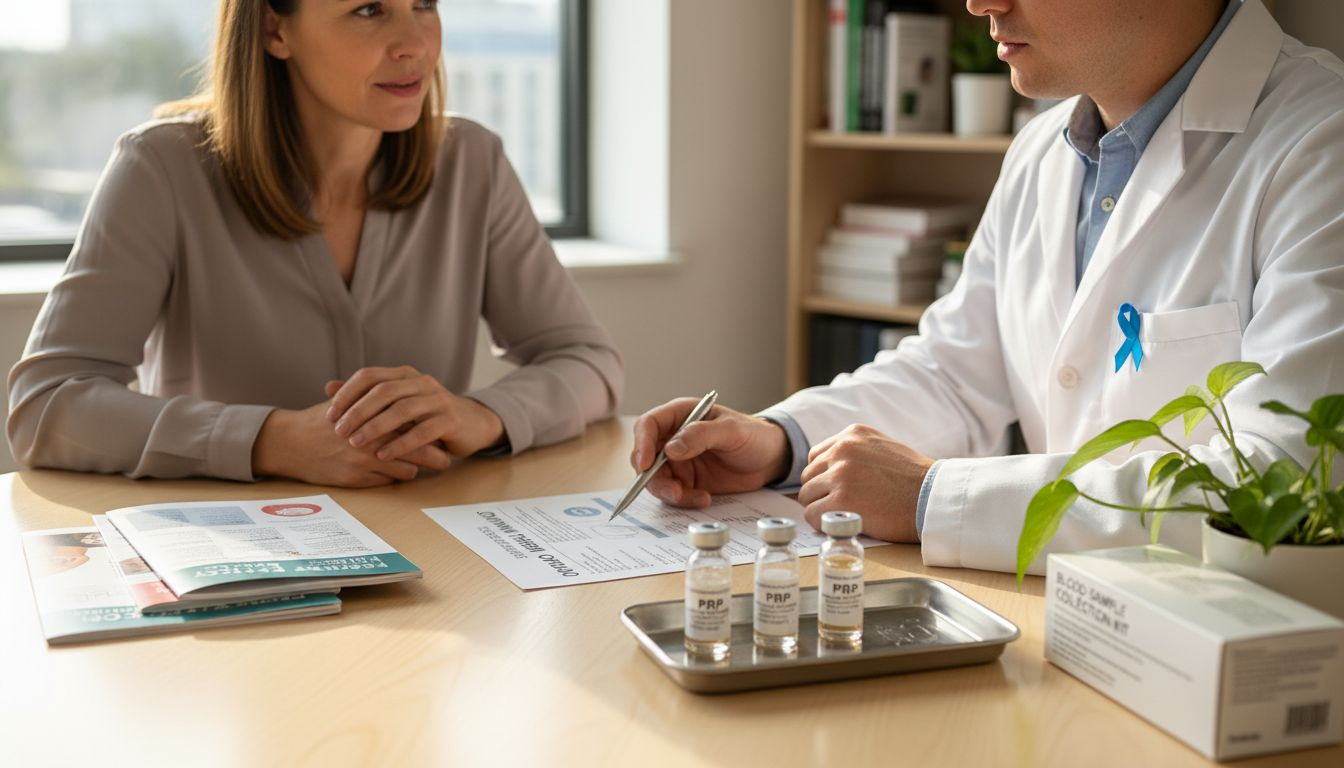
Consider exploring innovative ovarian regeneration therapies that include targeted interventions like autologous platelet-rich plasma (PRP) injections and specialized stem cell treatments. These approaches aim to create a more supportive ovarian microenvironment by introducing growth factors, protective antioxidants like melatonin, and regenerative cellular components. Personalized treatments might involve comprehensive assessments to determine the most effective combination of therapies tailored to your specific physiological profile, potentially incorporating strategies such as mitochondrial protection, growth factor stimulation using IGF-1 and VEGF, and advanced cellular regeneration techniques.
Working closely with a reproductive specialist who understands the nuanced landscape of fertility for women over 40 is crucial. They can help design a comprehensive rejuvenation strategy that may include targeted nutritional interventions, precise hormonal balancing, and advanced medical treatments designed to optimize your reproductive potential and improve overall cellular health.
Pro tip: Maintain comprehensive documentation of all medical interventions and diagnostic results to help your healthcare provider develop the most precise and personalized ovarian rejuvenation approach.
Here’s a comparison of common advanced ovarian rejuvenation techniques for women over 40:
Technique | How It Works | Typical Benefits |
Platelet-Rich Plasma (PRP) | Injects growth factors from blood | Potentially boosts ovarian response |
Stem Cell Therapy | Uses regenerative stem cells | May improve egg quality and function |
Mitochondrial Protection | Targets cell energy production | Aims to enhance egg cellular health |
IGF-1/VEGF Growth Factor Stimulation | Stimulates ovarian cell growth | Promotes follicle development and repair |
Step 3: Integrate personalized lifestyle modifications
Optimizing fertility after 40 requires a comprehensive approach that goes beyond medical interventions and focuses on strategic lifestyle adjustments tailored to your unique physiological needs. The goal is to create an internal environment that supports reproductive health and maximizes your chances of conception.
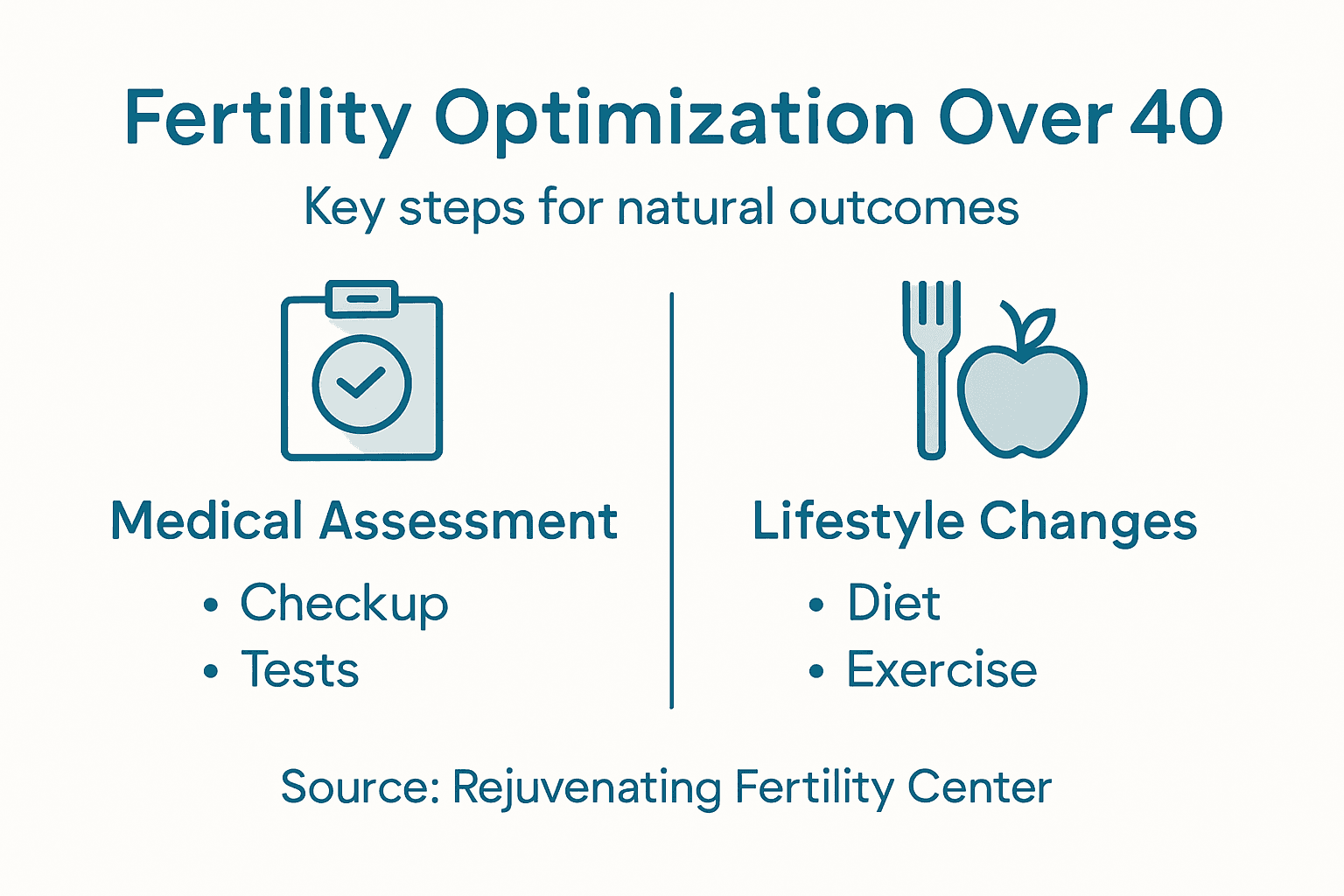
Personalized lifestyle intervention programs have demonstrated significant potential in improving clinical pregnancy rates for women navigating fertility challenges. These modifications should encompass multiple dimensions of wellness including nutrition, stress management, physical activity, and targeted supplementation. Key strategies include adopting a Mediterranean diet rich in antioxidants, maintaining a healthy body mass index, ensuring adequate vitamin D levels, and incorporating moderate exercise routines that support hormonal balance without causing undue physical stress.
Careful attention to behavioral modifications can dramatically influence reproductive potential. This means prioritizing consistent sleep patterns, reducing alcohol and caffeine intake, eliminating smoking, and developing effective stress management techniques such as meditation or yoga. Your lifestyle plan should be dynamic and adaptable, with regular consultations with healthcare professionals who can help you fine tune your approach based on ongoing diagnostic insights and individual response.
Pro tip: Work with a nutritionist specializing in fertility to develop a personalized dietary plan that addresses your specific metabolic profile and reproductive health goals.
This table summarizes key lifestyle modifications and their positive effects on fertility:
Modification | Example Actions | Potential Fertility Impact |
Diet Improvements | Emphasize Mediterranean diet | Can support egg and hormone health |
Stress Management | Practice yoga or meditation | May reduce hormone-disrupting stress |
Supplementation | Ensure vitamin D and antioxidants | Supports reproductive and cellular health |
Exercise Optimization | Adopt moderate, regular activity | Helps maintain healthy hormonal function |
Step 4: Monitor and verify improvements in fertility outcomes
Tracking your fertility journey requires a systematic and comprehensive approach that goes beyond traditional monitoring methods, especially for women over 40 who face more complex reproductive challenges. Understanding how to effectively measure and interpret your progress is crucial for making informed decisions about your fertility treatment strategy.
Fertility outcome monitoring involves carefully tracking multiple clinical indicators that provide a holistic view of your reproductive health. This means systematically documenting key metrics such as ovarian response, hormone levels, clinical pregnancy rates, and live birth outcomes. You will want to work closely with your reproductive specialist to establish a personalized tracking protocol that captures both quantitative data like follicle counts and hormonal profiles, and qualitative information about your overall reproductive wellness.
Consistent and detailed documentation allows you and your healthcare team to make data driven adjustments to your fertility strategy. This might involve regular ultrasound screenings, comprehensive blood panels, genetic testing, and psychological assessments that capture the full spectrum of your reproductive journey. Your monitoring approach should be flexible and responsive, recognizing that fertility optimization is a dynamic process that requires ongoing evaluation and personalized intervention.
Pro tip: Create a dedicated digital health journal to track all medical records, test results, and personal observations, which can provide invaluable insights for your reproductive healthcare team.
Unlock Your Fertility Potential Over 40 with Expert Care
Facing the unique challenges of optimizing fertility after 40 requires more than general advice It demands advanced, personalized approaches that address ovarian rejuvenation, hormonal balance, and lifestyle integration The article highlights critical concepts like mitochondrial protection, stem cell therapy, and precise hormone monitoring These innovative strategies can be life-changing for women struggling with diminished ovarian reserve or declining egg quality
At the Rejuvenating Fertility Center in The Bahamas, we specialize in cutting-edge treatments including Stem Cell Therapy and Mitochondrial Replacement Therapy aimed specifically at enhancing egg and embryo quality for women over 40 Our team led by Dr Zaher Merhi combines scientific innovation with personalized care to develop strategies that align perfectly with your unique health profile Don’t let age define your fertility journey when advanced solutions are within reach
Take control of your reproductive future today
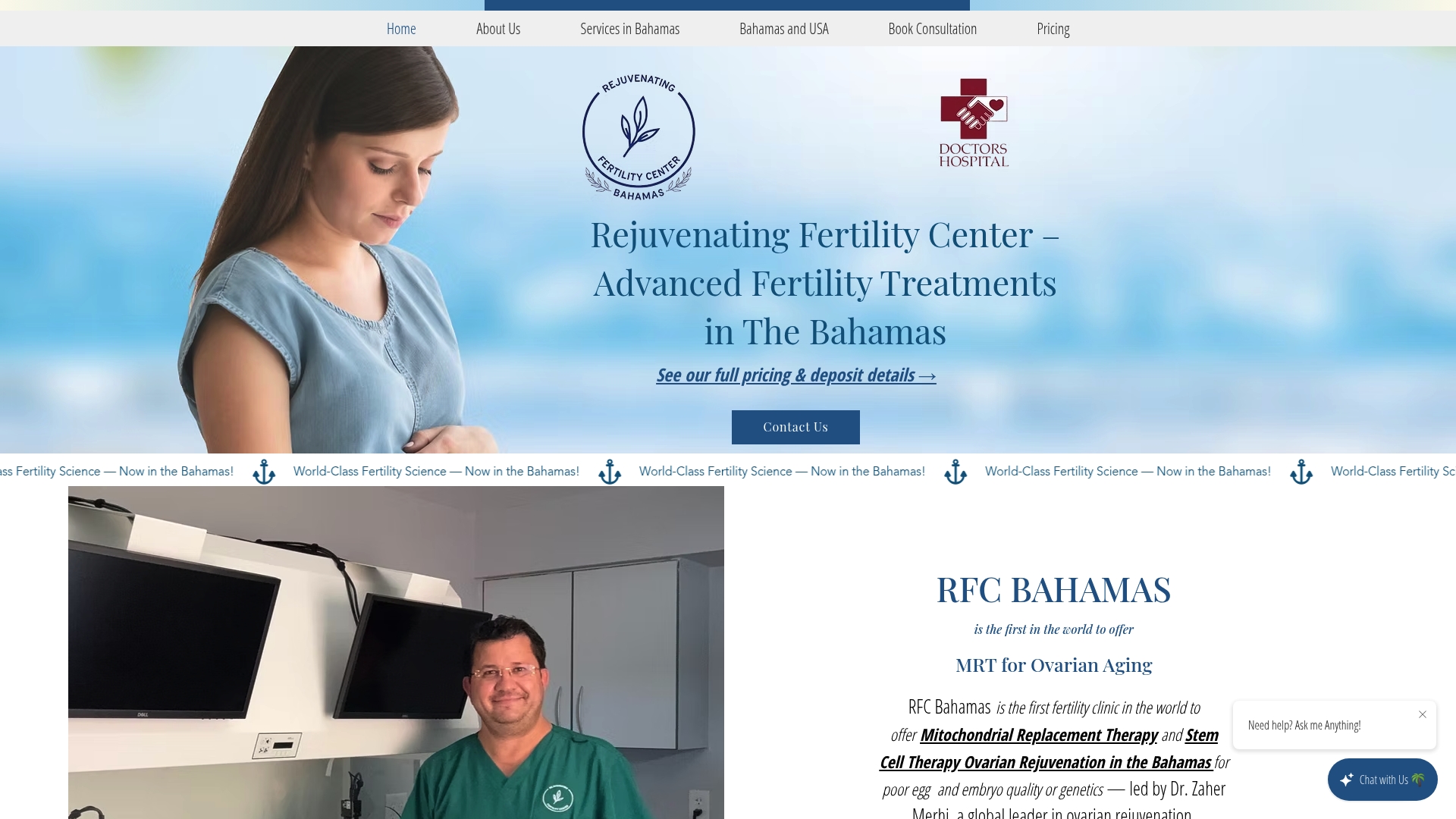
Explore how our specialized ovarian rejuvenation treatments and comprehensive fertility programs can help you achieve your dreams Visit Rejuvenating Fertility Center now to schedule a consultation and step confidently toward parenthood
Frequently Asked Questions
What are the first steps to assess my fertility if I am over 40?
Understanding your health and fertility status is crucial. Start by scheduling a comprehensive medical evaluation that includes detailed fertility screenings and blood tests to evaluate hormone levels and metabolic health. Doing this will provide essential insights into your reproductive potential.
How can I implement ovarian rejuvenation techniques to improve my fertility?
Consider exploring advanced ovarian rejuvenation techniques like autologous platelet-rich plasma (PRP) injections or stem cell therapy. Consult a reproductive specialist to create a personalized rejuvenation strategy tailored to enhance egg quality and ovarian function, potentially noticing improvements within a few months.
What lifestyle changes should I make to naturally optimize my fertility?
Adopt a Mediterranean diet rich in antioxidants and maintain a healthy body weight. Additionally, prioritize regular moderate exercise, reduce alcohol and caffeine intake, and develop stress management techniques like yoga or meditation for a comprehensive approach to enhance your reproductive health.
How do I monitor my fertility progress effectively?
Tracking your fertility journey requires consistent documentation of key indicators like hormone levels and ultrasound results. Create a dedicated digital health journal to organize all test results and observations, allowing for informed adjustments to your fertility strategy over time.
How long does it usually take to see improvements in fertility outcomes after making changes?
The timeline for improvements can vary, but many women may start seeing positive changes within 3 to 6 months of implementing lifestyle adjustments and medical interventions. Regular consultations with your healthcare provider can help fine-tune your approach and maximize results.
Recommended
Fertility Treatments Bahamas | IVF, MRT & Stem Cells Rejuvenation | RFC
How to Detox Naturally: A Complete Step-by-Step Guide - Mahoney inter
Comments