
7 Benefits of Mitochondrial Therapy for Fertility Success

Trying to improve your fertility can often feel overwhelming, especially when you’re faced with uncertainty about your body’s unique challenges. Many people wonder if there are real solutions for enhancing egg quality, supporting embryo development, or increasing the chances of a successful pregnancy. The latest research shows that mitochondrial therapy is reshaping the possibilities in reproductive health by focusing on the specialized energy structures inside your cells.
You deserve practical answers that address the root causes of fertility struggles—not just surface-level advice. This list reveals how mitochondrial interventions can influence everything from egg metabolism to embryo viability and even long-term reproductive health. Get ready to uncover actionable approaches that harness the power of mitochondrial science, offering renewed hope for your reproductive journey.
Table of Contents
Quick Summary
Key Message | Explanation |
1. Optimize Mitochondrial Health | Enhancing mitochondrial function can improve egg quality and reproductive success. Assess mitochondrial health with a fertility specialist for personalized advice. |
2. Focus on Cellular Energy | Cellular energy production is crucial for fertilization and embryo development. Implement strategies to boost energy in reproductive cells. |
3. Consider Genetic Screening | Mitochondrial therapy can prevent inherited genetic disorders. Discuss with a genetic counselor to explore options for your family. |
4. Adopt Nutritional Interventions | Targeted nutritional strategies can support mitochondrial health and energy metabolism, potentially enhancing fertility outcomes. |
5. Prioritize Long-term Reproductive Health | Maintain mitochondrial function for sustainable reproductive health across life stages. Regular assessments can help preserve long-term fertility potential. |
1. Boosts Energy Production in Eggs
Mitochondrial therapy represents a groundbreaking approach to enhancing egg energy metabolism, addressing one of the most critical factors in fertility success. At the cellular level, mitochondria serve as the powerhouses that generate essential ATP energy required for optimal egg development and potential fertilization.
In reproductive science, mitochondrial function directly correlates with egg quality and viability. Mitochondrial energy production mechanisms play a pivotal role in supporting crucial reproductive processes. These specialized cellular organelles generate the critical energy needed for multiple stages of egg maturation and potential embryonic development.
Key benefits of enhanced mitochondrial energy production include:
Increased ATP synthesis supporting egg cellular processes
Improved metabolic efficiency during egg maturation
Reduced oxidative stress on reproductive cells
Enhanced cellular resilience during fertilization stages
Mitochondrial optimization strategies can significantly impact fertility potential by ensuring eggs have sufficient energetic resources. Eggs require substantial metabolic energy to successfully progress through fertilization and early embryonic stages.
Cellular energy dynamics are particularly complex in reproductive cells. By targeting mitochondrial function, patients can potentially improve their reproductive outcomes through improved cellular energetics.
Pro tip: Consider consulting a reproductive specialist about targeted nutritional interventions that support mitochondrial health and energy production in eggs.
2. Enhances Egg Quality and Viability
Mitochondrial therapy offers a revolutionary approach to improving egg quality and viability in reproductive medicine. The complex process of egg development depends critically on cellular energy production and overall mitochondrial health.
Clinical mitochondrial transfer studies have demonstrated significant improvements in egg quality and embryonic developmental potential. By targeting mitochondrial function, this advanced therapy addresses fundamental challenges in reproductive cell performance.
Key aspects of enhanced egg quality through mitochondrial therapy include:
Reduction of oxidative stress in reproductive cells
Improved cellular energy metabolism
Enhanced chromosomal stability
Increased potential for successful fertilization
Better embryo developmental outcomes
Mitochondrial dysfunction can severely compromise egg viability. When mitochondria are compromised, eggs experience reduced energy production and increased cellular damage, which directly impacts reproductive success.
Optimal egg quality is not just about quantity but the fundamental cellular health that determines reproductive potential.
Cellular resilience strategies play a crucial role in improving egg quality. By supporting mitochondrial function, patients can potentially overcome age-related fertility challenges and improve their chances of successful conception.
Pro tip: Consult with a fertility specialist about comprehensive mitochondrial health assessments to understand your personalized reproductive optimization strategies.
3. Supports Healthier Embryo Development
Mitochondrial therapy emerges as a groundbreaking approach to enhancing embryo development by addressing fundamental cellular energy challenges. At the earliest stages of human reproduction, mitochondrial function plays a critical role in determining embryo health and potential for successful pregnancy.
Mitochondrial interventions in embryo development have revealed promising strategies for improving cellular metabolism and reducing developmental risks. These advanced therapeutic techniques target the core mechanisms that support robust embryonic growth.
Key aspects of supporting healthier embryo development include:
Optimizing cellular energy production
Reducing oxidative stress
Enhancing chromosomal stability
Improving cellular differentiation processes
Increasing implantation potential
Mitochondrial dysfunction can significantly compromise embryo development. When mitochondrial performance is suboptimal, early-stage embryos may experience reduced growth potential and increased risks of developmental complications.
Embryo health is fundamentally linked to the quality and efficiency of mitochondrial function.
Cellular energy management represents a critical frontier in reproductive medicine. By implementing targeted mitochondrial therapies, patients can potentially improve their chances of creating healthier embryos with enhanced developmental capabilities.
Pro tip: Discuss comprehensive mitochondrial screening and optimization strategies with your fertility specialist to understand personalized approaches for supporting embryo health.
4. Reduces Genetic Transmission Risks
Mitochondrial therapy represents a groundbreaking approach to preventing the transmission of inherited genetic disorders through reproductive technologies. For families with a history of mitochondrial diseases, this innovative treatment offers unprecedented hope for having healthy children.
Mitochondrial replacement techniques provide a critical solution for preventing genetic transmission of mitochondrial disorders. By strategically replacing defective mitochondrial DNA, these advanced therapies can significantly reduce the risk of passing inherited genetic conditions to future generations.
Key benefits of reducing genetic transmission risks include:
Preventing maternally inherited mitochondrial diseases
Minimizing genetic disorder transmission risks
Protecting future offspring from inherited genetic mutations
Offering reproductive options for affected women
Maintaining genetic linkage to offspring
Genetic inheritance challenges can create significant emotional and medical burdens for prospective parents. Mitochondrial replacement strategies provide a sophisticated approach to breaking the cycle of inherited genetic disorders.
Genetic health is not predetermined. Advanced reproductive technologies offer new pathways to preventing inherited conditions.
Reproductive genetic strategies continue to evolve, providing more sophisticated methods for ensuring healthy offspring. These cutting-edge approaches represent a transformative breakthrough in genetic disease prevention.
Pro tip: Consult with a genetic counselor specializing in mitochondrial disorders to understand your specific genetic transmission risks and explore personalized prevention strategies.
5. Improves IVF Success Rates
Mitochondrial therapy emerges as a groundbreaking approach to enhancing in vitro fertilization outcomes, particularly for patients facing complex fertility challenges. By targeting the fundamental energy production mechanisms within reproductive cells, this innovative treatment offers new hope for successful conception.
Mitochondrial replacement therapies have demonstrated remarkable potential in improving IVF success rates, especially for patients with challenging reproductive profiles. The strategic approach of optimizing cellular energy production can significantly impact fertilization and embryo development potential.
Key improvements in IVF success through mitochondrial therapy include:
Enhanced fertilization rates
Increased development of high-quality embryos
Improved pregnancy and live birth rates
Better selection of viable embryos
Reduced reproductive failure risks
Embryo selection techniques have become increasingly sophisticated with mitochondrial screening. Understanding the intricate relationship between mitochondrial DNA and reproductive success allows physicians to make more informed decisions during IVF procedures.
Advanced reproductive technologies are transforming fertility treatment by addressing cellular-level challenges.
Cellular energy optimization represents a critical breakthrough in reproductive medicine. By focusing on mitochondrial health, patients can potentially overcome previously insurmountable fertility barriers.
Pro tip: Request a comprehensive mitochondrial assessment during your initial IVF consultation to understand your specific cellular energy profile and potential optimization strategies.
6. Offers Hope for Poor Ovarian Reserve
Mitochondrial therapy emerges as a transformative solution for women struggling with diminished ovarian reserve, offering renewed hope where traditional fertility treatments have fallen short. This innovative approach directly addresses the cellular mechanisms underlying poor reproductive potential.
Mitochondrial replacement techniques provide a groundbreaking pathway for women experiencing significant challenges with ovarian function. By targeting the fundamental energy production systems within reproductive cells, these therapies can potentially reverse age-related fertility decline.
Key benefits for women with poor ovarian reserve include:
Improved oocyte quality
Enhanced mitochondrial function
Reduced oxidative stress in reproductive cells
Increased potential for successful fertilization
Preservation of genetic parentage options
Ovarian aging mechanisms are complex and multifaceted. Mitochondrial dysfunction plays a critical role in diminishing reproductive potential, making targeted interventions increasingly important for women facing fertility challenges.
Cellular rejuvenation represents a new frontier in reproductive medicine, offering hope where traditional approaches have limitations.
Cellular energy restoration can fundamentally transform reproductive outcomes. By addressing mitochondrial health at the cellular level, patients can potentially overcome previously insurmountable fertility barriers.
Pro tip: Request a comprehensive mitochondrial assessment during your fertility consultation to understand your specific ovarian reserve optimization potential.
7. Promotes Long-Term Reproductive Health
Mitochondrial therapy represents a revolutionary approach to preserving and enhancing reproductive potential beyond immediate fertility treatments. This innovative strategy focuses on the fundamental cellular mechanisms that support long-term reproductive wellness and resilience.
Mitochondrial therapies targeting reproductive longevity offer a sophisticated approach to maintaining reproductive health across different life stages. By addressing cellular energy production and genomic integrity, these interventions provide a comprehensive strategy for sustainable fertility.
Key aspects of long-term reproductive health promotion include:
Preserving mitochondrial function
Reducing age-related fertility decline
Supporting genomic stability
Enhancing cellular repair mechanisms
Extending reproductive potential
Reproductive cellular dynamics play a crucial role in maintaining long-term fertility. Mitochondrial health directly influences the ability of reproductive cells to maintain their functional capacity over time.
Cellular rejuvenation represents the next frontier in reproductive medicine, offering hope for sustained reproductive potential.
Cellular regeneration strategies provide innovative approaches to maintaining reproductive health. By focusing on mitochondrial optimization, patients can potentially mitigate the natural decline of reproductive function associated with aging.
Pro tip: Consider comprehensive mitochondrial health assessments as part of your ongoing reproductive wellness strategy, even before planning pregnancy.
Below is a comprehensive table summarizing the key concepts, benefits, and applications of mitochondrial therapy in reproductive medicine discussed in the article.
Aspect | Details | Benefits |
Boosts Energy Production in Eggs | Mitochondria enhance ATP energy synthesis, supporting egg cellular processes and resilience. | Increased fertilization stages efficiency and reduced oxidative stress. |
Enhances Egg Quality and Viability | Improved chromosomal stability and cellular metabolism reduce oxidative stress in reproductive cells. | Enhanced embryonic development potential and pregnancy success. |
Supports Healthier Embryo Development | Optimizes cellular differentiation and energy production mechanisms. | Increased implantation rates and reduced developmental risks. |
Reduces Genetic Transmission Risks | Targeted mitochondrial replacement prevents inherited genetic disorders. | Minimized risk of mitochondrial diseases and genetic mutations in offspring. |
Improves IVF Success Rates | Enhanced energy optimization improves embryo quality and fertilization success. | Increased live birth rates and targeted embryo selection. |
Offers Hope for Poor Ovarian Reserve | Addresses age-related fertility decline via mitochondrial rejuvenation. | Improved oocyte quality and genetic parentage options. |
Promotes Long-Term Reproductive Health | Sustains cellular genomic integrity and energy management over time. | Extended fertility potential beyond initial treatments. |
Unlock Your Fertility Potential with Advanced Mitochondrial Therapy at RFC Bahamas
Mitochondrial dysfunction and poor egg quality are common challenges impacting fertility success. If you are struggling with low ovarian reserve, genetic risks, or repeated IVF failures, targeted mitochondrial therapies can boost energy production in your eggs and support healthier embryo development. This revolutionary approach directly tackles the root cellular causes of infertility by enhancing mitochondrial function, reducing oxidative stress, and increasing your chances of conception.
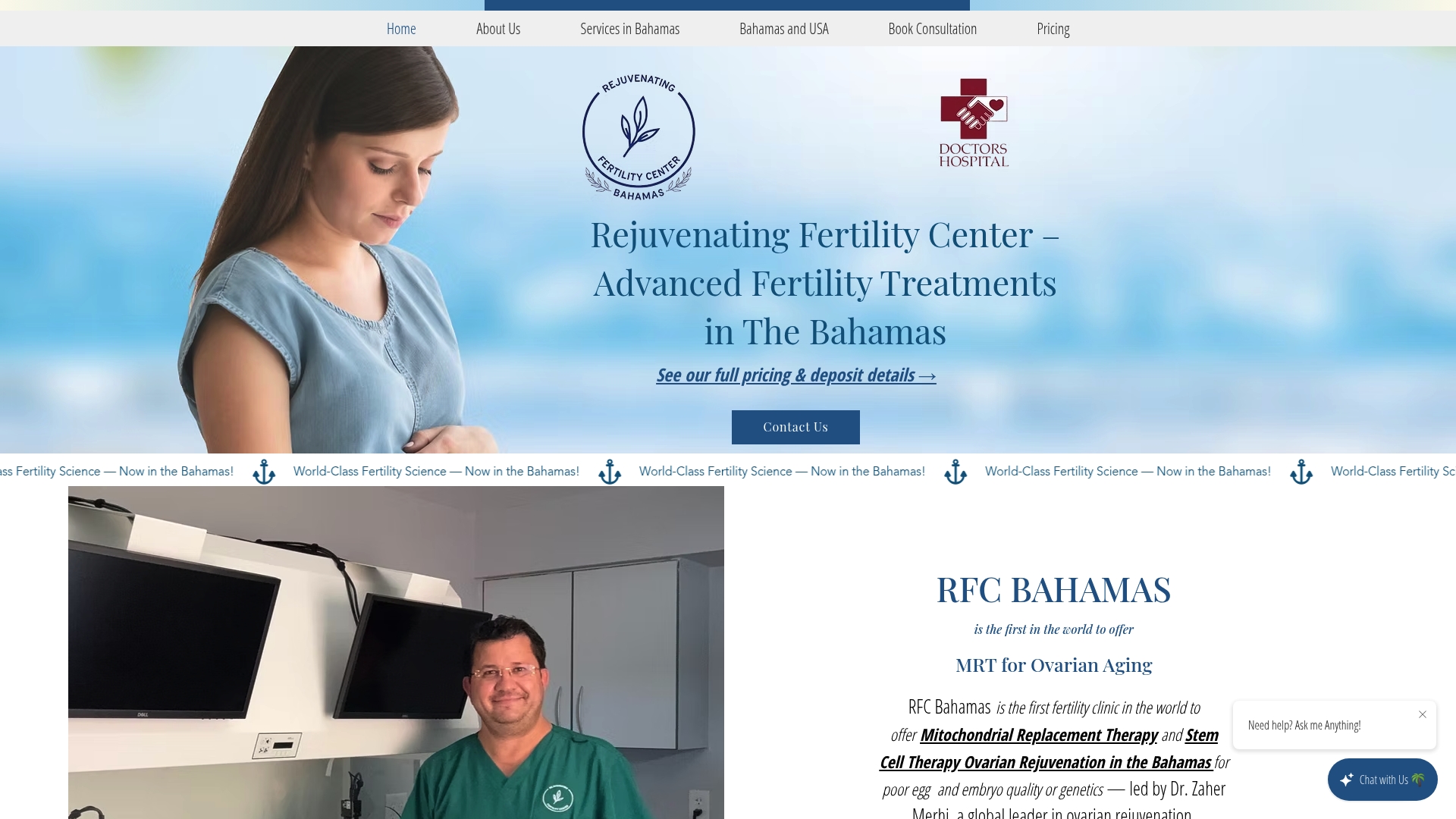
Take control of your fertility journey today at the Rejuvenating Fertility Center in the Bahamas. Led by Dr. Zaher Merhi, our clinic specializes in cutting-edge treatments including Mitochondrial Replacement Therapy and Stem Cell Therapy for ovarian rejuvenation. Don’t let mitochondrial dysfunction hold you back. Visit https://rfcbahamas.com now to schedule a personalized consultation and explore how science-driven solutions can make your dream of parenthood a reality.
Frequently Asked Questions
What is mitochondrial therapy and how does it improve fertility?
Mitochondrial therapy is an innovative approach that enhances the energy production in eggs and embryos, directly impacting fertility success. To explore this option, consult with a fertility specialist to understand how mitochondrial therapy can specifically benefit your reproductive health.
How does mitochondrial therapy enhance egg quality and viability?
Mitochondrial therapy improves egg quality by optimizing cellular energy metabolism and reducing oxidative stress, leading to better chromosomal stability. Consider discussing mitochondrial health assessments with your fertility specialist for a personalized approach to enhancing egg viability.
Can mitochondrial therapy support healthier embryo development?
Yes, mitochondrial therapy supports healthier embryo development by optimizing energy production and improving cellular differentiation processes. If you’re undergoing fertility treatments, ask your fertility provider about incorporating mitochondrial therapy into your embryo development plan.
How does mitochondrial therapy reduce genetic transmission risks?
Mitochondrial therapy helps prevent the transmission of inherited genetic disorders by replacing defective mitochondrial DNA, reducing the likelihood of passing these conditions to offspring. Discuss your family’s genetic history with a genetic counselor to explore this advanced reproductive option.
Will mitochondrial therapy improve my in vitro fertilization (IVF) success rates?
Mitochondrial therapy has the potential to enhance IVF success rates by improving fertilization rates and embryo quality. To maximize your chances of successful conception, request a comprehensive mitochondrial assessment at your initial IVF consultation.
How can mitochondrial therapy help with diminished ovarian reserve?
Mitochondrial therapy offers renewed hope for women with diminished ovarian reserve by improving egg quality and mitochondrial function. Talk to your fertility specialist about targeted mitochondrial approaches that may address your specific ovarian reserve challenges.
Recommended
Comments