
Donor Egg IVF: Empowering Fertility Over 40
Facing fertility challenges in your 40s can leave you searching for solutions that truly fit your unique journey. For many women with diminished ovarian reserve, donor egg IVF represents more than hope—it is a scientifically validated, advanced option rooted in careful donor screening and cutting-edge medical protocols. In this guide, discover how personalized reproductive care and modern fertility science are opening new pathways to parenthood for women who deserve options beyond traditional boundaries.
Table of Contents
Key Takeaways
Point | Details |
Donor Egg IVF Process | Donor egg IVF involves extensive medical screening, donor synchronization, and precise medical interventions to enhance pregnancy success for women facing fertility challenges. |
Myths vs Realities | Common myths about donor egg IVF, such as the perceived bond with the child, often cause anxiety but can be clarified by understanding emotional realities. |
Eligibility Criteria | Both recipient and donor must meet specific medical and psychological eligibility criteria, ensuring optimal health and success rates during the process. |
Innovative Alternatives | Emerging fertility technologies provide additional options beyond traditional donor egg IVF, including genetic modifications and ovarian rejuvenation strategies. |
Donor egg IVF explained and common myths
Donor egg IVF represents an advanced fertility solution for women experiencing challenges conceiving with their own eggs, particularly those over 40. This specialized reproductive technology offers hope by utilizing carefully screened donor eggs to increase pregnancy success rates. Donor eggs provide a scientifically validated pathway for individuals struggling with fertility challenges.
The donor egg IVF process involves several critical stages that differ slightly from traditional IVF treatments:
Comprehensive medical screening of potential egg donors
Genetic and infectious disease testing
Synchronization of donor and recipient menstrual cycles
Egg retrieval from the selected donor
Fertilization of donor eggs with partner or donor sperm
Embryo transfer to the recipient’s uterus
Contrary to common misconceptions, donor egg IVF is not simply a last-resort option but a sophisticated reproductive strategy. Many women choose this method to overcome specific fertility challenges such as:
Here’s a summary of key differences between traditional IVF and donor egg IVF:
Aspect | Traditional IVF | Donor Egg IVF |
Egg Source | Patient’s own eggs | Carefully screened donor eggs |
Typical Age Range | Under 40 | Often for women over 40 |
Genetic Connection | Child shares both parents’ DNA | Child inherits donor’s DNA |
Success Rate | Lower for older women | Higher for older women |
Motivation | General infertility | Diminished ovarian reserve, genetics |
Diminished ovarian reserve
Premature ovarian failure
Advanced maternal age
Genetic inheritance risks
Multiple unsuccessful IVF attempts
Myths and Realities of Donor Egg IVF
Numerous myths surround donor egg IVF that can cause unnecessary anxiety for potential recipients. Here are some critical clarifications:
Myth: Donor egg children won’t feel like your own
Reality: Emotional bonding occurs through pregnancy, childbirth, and parenting
Myth: Donor eggs guarantee pregnancy
Reality: Success rates vary, typically ranging between 50-75% depending on multiple factors
Myth: Donors are anonymous and untraceable
Reality: Many modern programs offer varying levels of donor information and potential future contact
Donor egg IVF represents a powerful intersection of medical science and personal reproductive choice, offering a pathway to parenthood for those facing complex fertility challenges.
Genetic Considerations
While the eggs come from a donor, the recipient carries the pregnancy and provides the uterine environment. This means the child will share mitochondrial DNA from the donor but will develop within the recipient’s unique biological context. Modern genetic screening helps ensure the highest possible health outcomes.
Pro tip: Schedule comprehensive consultations with reproductive specialists who can provide personalized guidance through the donor egg IVF journey, helping you understand each step and potential outcome.
Who needs donor egg IVF and eligibility
Donor egg IVF offers a transformative solution for women facing complex fertility challenges, particularly those experiencing age-related or medical reproductive limitations. Specific medical conditions determine egg donation eligibility, making it critical to understand who might benefit from this advanced reproductive technology.
Women who typically need donor egg IVF include those experiencing:
Diminished ovarian reserve
Premature ovarian failure
Repeated unsuccessful IVF cycles
Genetic conditions risking inherited diseases
Loss of ovarian function from medical treatments like chemotherapy
Advanced maternal age (typically over 40)
Recipient Eligibility Criteria
Eligibility for donor egg IVF involves comprehensive medical and psychological assessments. Key considerations include:
Overall reproductive and general health status
Age of the recipient (typically under 50)
Uterine health and capacity to carry a pregnancy
Absence of contraindications for pregnancy
Comprehensive medical history review
Psychological readiness for donor egg conception
Donor Eligibility Requirements
Egg donors must meet stringent health and genetic screening standards, typically including:
Age between 18-35 years
Excellent physical and mental health
Normal body mass index (BMI)
No history of hereditary diseases
Non-smokers
Regular menstrual cycles
Extensive genetic and infectious disease screening
Successful donor egg IVF requires a comprehensive, carefully managed process that prioritizes the health of both donor and recipient.
Medical Considerations
Beyond basic eligibility, reproductive specialists conduct thorough evaluations to ensure optimal chances of success. This includes assessing the recipient’s hormonal balance, uterine environment, and potential underlying fertility challenges.
Pro tip: Consult multiple reproductive specialists to gain comprehensive insights into your specific donor egg IVF eligibility and personalized treatment options.
Key steps in donor egg IVF process
The donor egg IVF process is a sophisticated reproductive journey that requires careful coordination and precise medical interventions. Comprehensive preparation guides successful fertility treatments, making each stage critical to potential success.
Initial Screening and Consultation
The donor egg IVF process begins with comprehensive medical evaluations for both recipient and donor:
Detailed medical history assessment
Comprehensive fertility diagnostic testing
Genetic screening for both donor and recipient
Psychological evaluation and counseling
Hormone level and reproductive health assessments
Discussion of potential risks and expectations
Donor Selection and Synchronization
Once medical clearance is obtained, the critical stages of donor matching and cycle synchronization commence:
Donor profile review and selection
Genetic compatibility verification
Hormonal suppression for recipient
Synchronized menstrual cycle preparation
Donor ovarian stimulation
Egg retrieval scheduling
Egg Retrieval and Fertilization
The most delicate stages of the process involve precise medical interventions:
Egg retrieval from carefully selected donor
Sperm preparation (from partner or donor)
Laboratory fertilization using advanced techniques
Embryo culture and development monitoring
Genetic screening of potential embryos
Selection of highest quality embryos
Successful donor egg IVF combines cutting-edge medical science with personalized reproductive care, transforming fertility challenges into genuine opportunities for parenthood.
Embryo Transfer and Follow-Up
The final stages involve strategic embryo placement and comprehensive post-transfer monitoring to maximize pregnancy potential. This includes careful hormonal support, precise timing of embryo transfer, and ongoing medical supervision.
Pro tip: Maintain open communication with your reproductive specialist throughout each stage, documenting every detail and asking questions to fully understand your personalized fertility journey.
Donor screening, selection, and legalities
The donor selection process represents a critical intersection of medical science, ethical considerations, and legal frameworks. Rigorous screening protocols protect all parties involved in the complex landscape of reproductive medicine.
Comprehensive Medical Screening
Donor screening involves extensive medical evaluations to ensure optimal health and genetic compatibility:
Detailed personal and family medical history review
Comprehensive genetic testing
Infectious disease screening
Physical examination
Psychological assessment
Reproductive health evaluation
Hormonal profile analysis
Legal and Ethical Considerations
The legal landscape surrounding egg donation is complex and varies by jurisdiction:
Informed consent requirements
Donor anonymity policies
Rights of donor-conceived individuals
Compensation regulations
Medical and legal liability frameworks
Confidentiality protections
Donor Qualification Criteria
Qualification for egg donation typically includes stringent requirements:
Age range of 18-35 years
Healthy body mass index
No significant genetic or hereditary conditions
Non-smoker status
Regular menstrual cycles
Psychological stability
Commitment to the donation process
Egg donor screening represents a delicate balance between medical necessity, ethical considerations, and human dignity.
Consent and Confidentiality
Modern donor selection processes emphasize transparent communication, comprehensive counseling, and explicit consent mechanisms. Donors must fully understand their rights, potential long-term implications, and the medical procedures involved.
Pro tip: Consult with reproductive law specialists to understand the specific legal nuances and protections in your jurisdiction before beginning the donor selection process.
Risks, costs, and emotional implications
Donor egg IVF represents a complex journey with multifaceted emotional, financial, and medical considerations. Navigating the emotional landscape of donor eggs requires comprehensive understanding and proactive support.
Financial Considerations
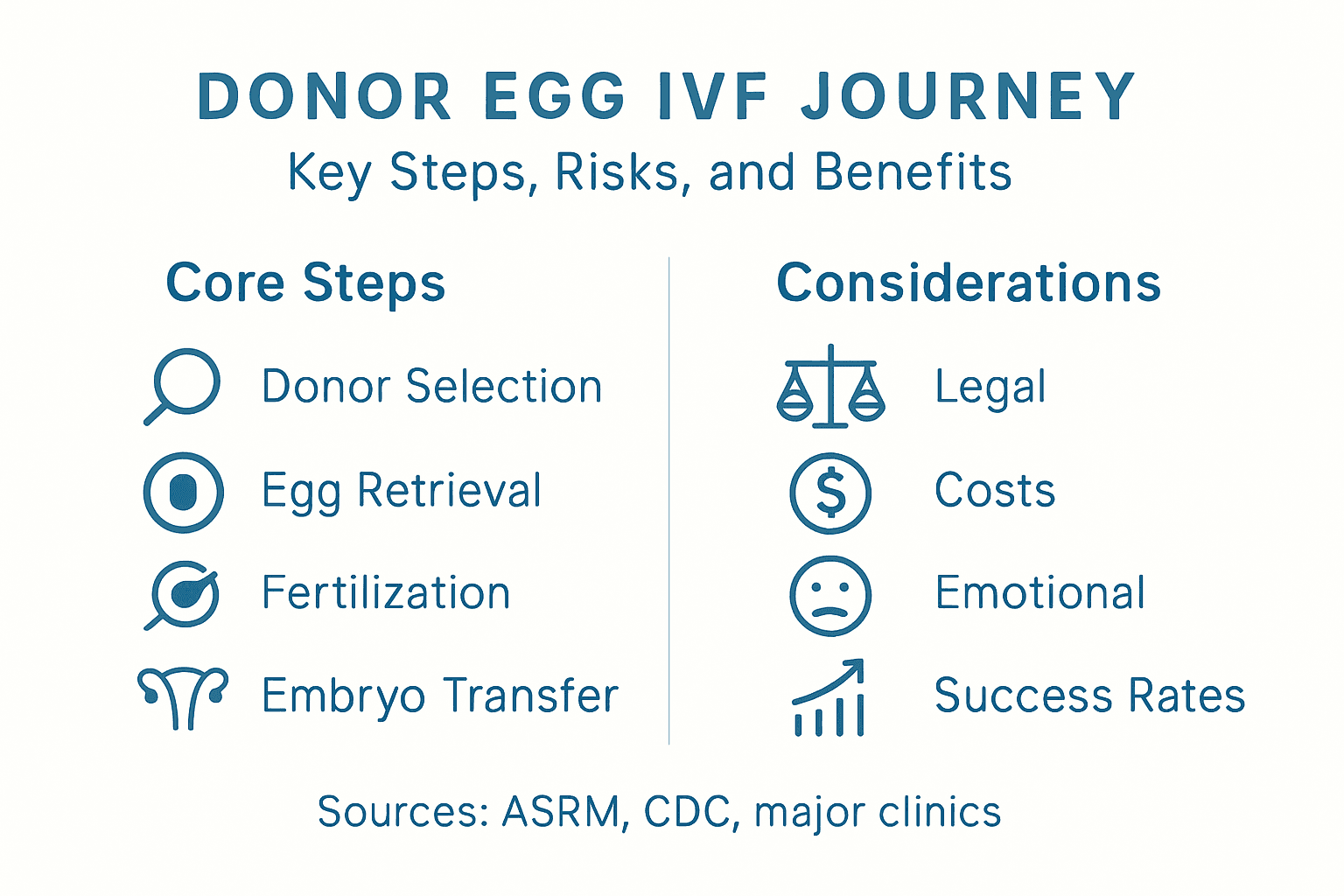
The financial investment in donor egg IVF can be substantial and typically includes:
Initial consultation fees
Donor screening and selection costs
Medical procedure expenses
Genetic testing
Psychological counseling
Medication and hormone treatments
Potential travel and accommodation expenses
Medical and Biological Risks
Potential medical risks associated with donor egg IVF include:
Multiple pregnancy complications
Ovarian hyperstimulation syndrome
Potential genetic transmission risks
Medication side effects
Psychological stress
Potential unsuccessful implantation
Emotional Complexity
The emotional journey of donor egg IVF involves nuanced psychological experiences:
Grief over genetic disconnection
Anxiety about pregnancy outcomes
Fears about family identity
Potential societal judgment
Complex feelings of gratitude
Uncertainty about future relationships
Potential attachment issues
Emotional resilience and professional support are fundamental to navigating the intricate psychological terrain of donor egg conception.
Psychological Support Strategies
Addressing emotional challenges requires proactive, comprehensive psychological support. Professional counseling can help individuals and couples process complex emotions, develop coping mechanisms, and build healthy family narratives.
Pro tip: Budget for comprehensive psychological support alongside financial planning, recognizing emotional well-being as a crucial component of your reproductive journey.
Innovative alternatives to donor egg IVF
Reproductive medicine is evolving rapidly, offering women over 40 an expanding array of fertility solutions beyond traditional donor egg IVF. Emerging reproductive technologies expand fertility options for individuals seeking alternative pathways to parenthood.
Emerging Fertility Technologies
Cutting-edge alternatives to donor egg IVF include:
Mitochondrial replacement therapy
Stem cell-derived egg generation
Ovarian rejuvenation procedures
Mild stimulation IVF protocols
Genetic screening and selection techniques
Fertility preservation strategies
Platelet-rich plasma ovarian treatments
Advanced Genetic Intervention Options
Novel approaches focus on enhancing reproductive potential through innovative techniques:
Genetic modification of existing eggs
Comprehensive chromosomal screening
Advanced embryo selection technologies
Personalized fertility treatment protocols
Non-invasive fertility enhancement methods
Regenerative Medicine Approaches
Regenerative strategies are transforming fertility treatments for women over 40:
Stem cell therapies for ovarian tissue regeneration
Targeted hormonal interventions
Cellular reprogramming techniques
Precision medical approaches
Individualized fertility optimization
Innovative fertility technologies represent a frontier of hope, combining advanced scientific understanding with personalized medical approaches.
Cost-Effective Alternatives
Emerging technologies aim to make fertility treatments more accessible, focusing on simplified protocols and reduced invasiveness. These approaches seek to minimize financial and medical barriers while maximizing potential success rates.
Below is a concise overview of innovative alternatives to donor egg IVF:
Alternative | Main Focus | Potential Benefit |
Mitochondrial Therapy | Replace defective mitochondria | Reduce genetic risks |
Stem Cell Eggs | Create eggs from stem cells | Expand fertility options |
Ovarian Rejuvenation | Revitalize ovarian function | Improve egg quality |
PRP Treatments | Use platelet-rich plasma | Stimulate ovarian response |
Pro tip: Research comprehensive fertility clinics offering multiple alternative technologies, and prioritize those with proven scientific track records and transparent success metrics.
Discover Advanced Solutions for Donor Egg IVF Challenges
Facing diminished ovarian reserve or advanced maternal age can feel overwhelming when considering donor egg IVF. If you are searching for personalized care that goes beyond traditional fertility methods, the Rejuvenating Fertility Center in the Bahamas offers cutting-edge treatments specifically designed to empower women over 40. From Mitochondrial Replacement Therapy to Stem Cell Therapy for ovarian rejuvenation, our expert team led by Dr. Zaher Merhi helps you unlock new possibilities in your fertility journey.
Take control of your future today by exploring innovative reproductive options tailored to your needs. Visit Rejuvenating Fertility Center now to learn how our advanced fertility solutions can increase your chances of success. Contact us for a consultation and step confidently into your path to parenthood with trusted expertise and compassionate support.
Frequently Asked Questions
What is donor egg IVF?
Donor egg IVF is a fertility treatment that utilizes eggs from a carefully screened donor to help women, especially those over 40, achieve pregnancy when they cannot conceive with their own eggs due to various medical challenges.
Who is eligible for donor egg IVF?
Eligibility for donor egg IVF typically includes women experiencing diminished ovarian reserve, premature ovarian failure, advanced maternal age, repeated unsuccessful IVF cycles, and certain genetic conditions.
What are the success rates for donor egg IVF compared to traditional IVF?
Success rates for donor egg IVF can range between 50-75%, which is generally higher for older women compared to traditional IVF, especially for those over 40 whose chances with their own eggs may be significantly lower.
What psychological support is available for those undergoing donor egg IVF?
Psychological support can include professional counseling to help recipients navigate complex emotions such as grief over genetic disconnection and anxiety about outcomes. Many fertility clinics offer mental health resources to assist throughout the process.
Recommended
Comments