
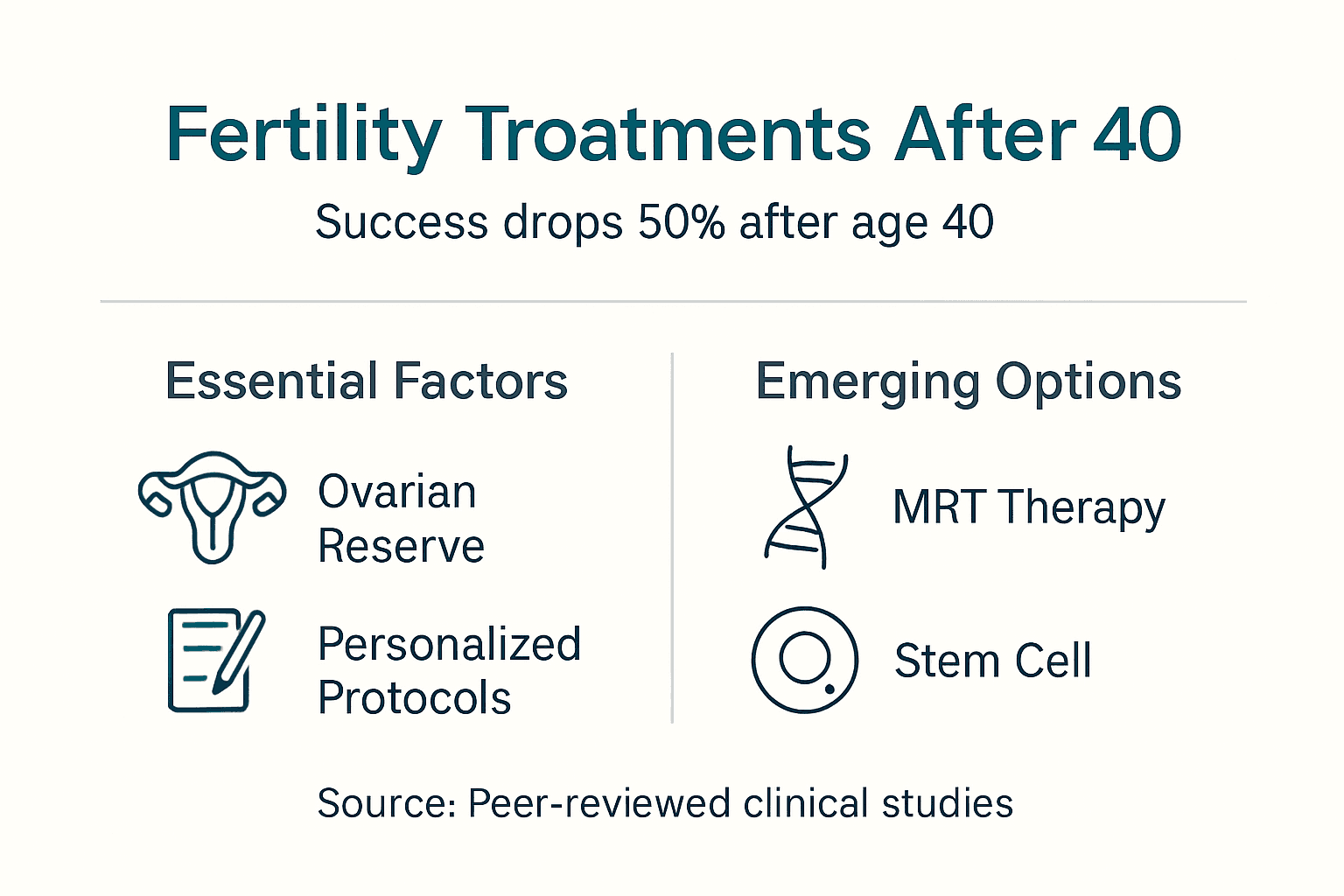
How to Evaluate Fertility Treatments: 50% Success Drop After 40

Women over 40 with diminished ovarian reserve face unique fertility challenges that require careful evaluation of treatment options. Egg quantity and quality decline sharply after this milestone, making the choice between standard IVF, personalized protocols, and innovative therapies like mitochondrial replacement or stem cell treatments critical. This guide empowers you to assess diagnostic tests, compare advanced options, and make informed decisions that align with your health goals, budget, and timeline.
Table of Contents
Key Takeaways
Point | Details |
Ovarian reserve testing is essential | AMH, AFC, and FSH tests personalize treatment plans and predict outcomes |
Advanced IVF protocols improve results | DHEA priming and DuoStim strategies optimize egg quality and retrieval numbers |
Regenerative therapies remain experimental | MRT and stem cell treatments show promise but lack long-term safety data |
Cost and timeline vary significantly | Standard IVF costs $12,000-$15,000 per cycle while advanced therapies can exceed $25,000 |
Early specialist consultation is crucial | Timely evaluation prevents common mistakes and maximizes treatment success |
Understanding Ovarian Reserve and Testing
Diminished ovarian reserve (DOR) describes the reduction in both egg quantity and quality that significantly impacts fertility potential. By age 40, most women experience a marked decline in ovarian function, making conception more challenging even with assisted reproductive technologies. Research shows that DOR greatly challenges IVF success rates in women over 40 due to reduced oocyte quantity and quality.
Accurate diagnostic testing forms the foundation of effective treatment planning. Three core tests assess ovarian reserve and guide personalized interventions:
Anti-Müllerian Hormone (AMH): This blood test measures hormone levels produced by ovarian follicles. Lower AMH values (below 1.0 ng/mL) indicate reduced egg supply and predict weaker response to ovarian stimulation.
Antral Follicle Count (AFC): Ultrasound imaging counts small follicles visible in the ovaries at the start of your menstrual cycle. Fewer than 5-7 follicles total suggests diminished reserve.
Follicle-Stimulating Hormone (FSH): Measured on day 3 of your cycle, elevated FSH levels (above 10 mIU/mL) signal that your body is working harder to stimulate egg development, indicating declining ovarian function.
These test results directly inform your prognosis and help specialists customize stimulation protocols, medication dosages, and treatment timelines. Understanding your baseline ovarian function early allows you to explore advanced IVF options for women over 40 and make strategic decisions about egg banking, donor options, or pursuing advanced fertility options for women over 40 before further decline occurs.
Accurate diagnostics also prevent wasted time on ineffective standard protocols. When you know your reserve status, you can immediately pursue fertility science for women over 40 that addresses your specific physiological needs rather than following generic approaches designed for younger patients with different reproductive profiles.
Personalizing IVF and Advanced Fertility Treatments
Standard IVF protocols rarely deliver optimal results for women over 40 with diminished ovarian reserve. Your unique hormone profile, ovarian response patterns, and egg quality challenges demand customized approaches that maximize every cycle’s potential. Clinical evidence demonstrates that individualized IVF protocols, including DHEA supplementation and double stimulation strategies, improve egg quality and yield in women over 40 with low ovarian reserve.
DHEA hormone priming involves taking dehydroepiandrosterone supplements (typically 75 mg daily) for 6-12 weeks before your IVF cycle begins. This androgen precursor boosts testosterone levels in ovarian tissue, potentially improving follicle development and egg quality. Studies show DHEA may increase the number of mature eggs retrieved and improve embryo quality, though results vary by individual.
Double stimulation, or DuoStim, represents another breakthrough protocol. Instead of waiting an entire month between egg retrievals, this approach stimulates your ovaries twice within a single menstrual cycle. You undergo one stimulation during the follicular phase (cycle start) and another during the luteal phase (after ovulation). This rapid accumulation strategy helps women with low reserve bank more eggs in less time, critical when age-related decline continues month by month.
Personalized protocols adjust medication types, dosages, and timing based on how your ovaries respond during monitoring. Some women need higher FSH doses, while others benefit from adding growth hormone or switching to different gonadotropin formulations. Real-time adjustments optimize follicle recruitment without overstimulating or understimulating your ovaries.
Pro tip: Track your daily symptoms, medication responses, and cycle patterns in a journal. This data helps your specialist fine-tune protocols across multiple cycles and identify patterns that standard monitoring might miss.
These advanced approaches require intensive monitoring, higher medication costs, and significant time commitment. A standard IVF cycle costs $12,000-$15,000, while personalized protocols with additional medications can reach $18,000-$20,000 per attempt. However, the improved egg quality and retrieval numbers often justify the investment by reducing the total cycles needed. Exploring ways to increase IVF success alongside medical protocols and following a comprehensive fertility treatment planning guide ensures you maximize every cycle’s potential.
Innovative Regenerative Therapies: MRT and Stem Cell Therapy
Regenerative medicine introduces experimental options aimed at rejuvenating ovarian function rather than simply working around diminished reserve. Two approaches show promise but remain controversial and largely unproven for routine clinical use.
Mitochondrial replacement therapy (MRT) addresses energy deficiencies in aging eggs. As you age, mitochondria in your eggs accumulate damage and produce less ATP, the cellular energy currency. MRT transfers healthy mitochondria from donor eggs or autologous stem cells into your own eggs, theoretically restoring energy production and improving fertilization and embryo development. Some clinics offer autologous mitochondrial transfer, extracting mitochondria from your own ovarian tissue or blood cells.

Stem cell therapy attempts to reactivate dormant follicles or generate new egg-producing cells. Techniques include injecting bone marrow-derived or adipose-derived stem cells into ovarian tissue, or using platelet-rich plasma (PRP) to stimulate resident stem cells. Early research suggests that these interventions may improve follicle growth, though long-term pregnancy success data remain limited.
Current evidence shows potential but significant limitations:
Limited pregnancy data: Most studies report improved hormone markers or follicle counts, but few document live births from these interventions alone.
Unknown long-term effects: The safety of mitochondrial manipulation and stem cell injection on offspring remains largely unstudied beyond animal models.
Experimental status: These treatments exist outside standard fertility protocols in most countries and lack regulatory approval for routine use.
Scientific reviews highlight that mitochondrial replacement therapy and ovarian stem cell therapy show potential for restoring ovarian function but remain experimental with safety concerns regarding genetic implications, long-term risks, and ethical dilemmas.
You should view these therapies as adjunct options under specialist guidance within approved clinical research protocols. They work best when combined with personalized IVF rather than as standalone solutions. The MRT and stem cell treatments offered by specialized centers follow rigorous scientific protocols, but you must understand the experimental nature before proceeding. For more context, review information on advanced ovarian rejuvenation therapies and assess the safety and ethics of regenerative fertility treatments before committing to these cutting-edge interventions.
Cost, Timeline, and Accessibility Considerations
Understanding the financial investment and time commitment required for different treatment options helps you plan realistically and avoid unexpected barriers. Costs vary significantly based on protocol complexity, medication requirements, and whether you pursue experimental therapies.
Treatment Type | Approximate Cost | Timeline | Key Factors |
Standard IVF | $12,000-$15,000 per cycle | 4-6 weeks per cycle | Medication, monitoring, retrieval, transfer |
Personalized IVF (DHEA, DuoStim) | $18,000-$25,000 per cycle | 8-12 weeks including prep | Additional medications, intensive monitoring |
Mitochondrial Replacement Therapy | $25,000-$35,000+ | 8-10 weeks | Experimental status, limited availability |
Stem Cell Therapy | $20,000-$30,000+ | 6-12 weeks | Research protocols, multiple injections |
Timelines include ovarian stimulation (10-14 days), egg retrieval, fertilization, embryo culture (5-6 days), and transfer. DHEA priming adds 6-12 weeks before stimulation begins. If you pursue banking multiple cycles for genetic testing or accumulating embryos, multiply these timeframes accordingly.
Geographic accessibility significantly impacts your options. MRT and experimental stem cell therapies remain unavailable in many countries due to regulatory restrictions. This drives fertility tourism, where patients travel internationally to access innovative treatments. The Bahamas, for example, offers regulatory flexibility for certain regenerative approaches not yet approved elsewhere.
Cost and timeline directly influence treatment adherence and decision making. Multiple IVF cycles quickly exceed $50,000, straining most budgets. Extended timelines compete with continued age-related decline, creating urgency that affects protocol choices. Insurance coverage varies dramatically, with most plans excluding experimental therapies entirely.
Pro tip: Request detailed cost breakdowns including medications, monitoring visits, anesthesia, facility fees, and genetic testing before committing. Hidden costs often add 20-30% to quoted prices.
Discuss your financial limits and scheduling constraints upfront with your fertility specialist. Some clinics offer package pricing for multiple cycles or payment plans that ease immediate burden. Understanding these practical factors through advanced fertility treatment planning prevents mid-treatment surprises and helps you evaluate whether fertility tourism for advanced treatments makes financial and logistical sense for your situation.
Safety and Ethical Considerations
Advanced fertility treatments, particularly regenerative therapies, carry known risks and many unknowns that demand careful evaluation. Making informed decisions requires understanding both immediate safety concerns and longer-term ethical implications.
Mitochondrial replacement therapy raises genetic modification concerns. While proponents argue it only changes energy-producing organelles rather than nuclear DNA, offspring carry mitochondrial DNA from three genetic contributors (you, your partner, and the mitochondrial donor). The long-term health effects on children born from MRT remain unknown, with limited follow-up data beyond a few years.
Stem cell therapy risks include:
Infection or immune reactions: Injecting biological material into ovarian tissue carries contamination risks and potential inflammatory responses.
Tumor formation: Stem cells can proliferate uncontrollably if not properly controlled, though this risk appears low in current protocols.
Unknown effects on egg quality: While intended to improve eggs, stem cell interventions might introduce genetic or epigenetic changes with unforeseen consequences.
“Safety concerns with MRT and stem cell therapies include unproven long-term risks, genetic implications, and ethical dilemmas requiring careful clinical governance.” Research emphasizes
Ethical guidelines from professional societies like ASRM (American Society for Reproductive Medicine) recommend restricting experimental therapies to approved research protocols with rigorous oversight, informed consent, and long-term follow-up of offspring. These treatments should never be marketed as proven solutions when evidence remains preliminary.
Informed consent becomes critical when considering experimental options. You need clear information about:
What is known versus unknown about safety and efficacy
Alternative treatment options with more established track records
Your right to decline without affecting access to standard care
Plans for monitoring you and any resulting children long-term
Only pursue regenerative therapies within regulated settings that follow research protocols approved by ethics boards. Clinics offering these treatments outside proper oversight may prioritize profit over patient safety. Understanding risks and ethics of regenerative fertility treatments protects you from potential harm while allowing you to access truly innovative care when appropriate.
Common Mistakes and Troubleshooting
Women over 40 frequently encounter preventable obstacles that reduce treatment success. Recognizing these pitfalls early helps you avoid wasted time, money, and emotional energy.
Delayed specialist referral represents the most costly mistake. Many women spend months or years with general OB-GYNs or basic fertility clinics using standard protocols before seeking reproductive endocrinologists experienced with diminished ovarian reserve. Studies show that delayed specialist consultation, unpersonalized treatment, and ignoring innovative therapies are common mistakes reducing treatment success in women over 40. Every month of delay means further decline in egg quality and quantity.
Using one-size-fits-all IVF protocols wastes precious cycles. If your first cycle uses a standard protocol without considering your AMH, AFC, and hormone levels, you likely experienced poor response or egg quality issues. Insisting on protocol customization from the start avoids this setback.
Neglecting patient education and emerging therapies limits your options. Many women never learn about DHEA priming, DuoStim, or banking strategies because their clinics follow outdated protocols. Staying informed through resources that explain reasons fertility treatments fail empowers you to advocate for better care.
Poor lifestyle optimization undermines medical interventions. Continuing high stress levels, inadequate sleep, inflammatory diets, or smoking sabotages even the best protocols. Your eggs respond to your overall health environment.
Practical solutions to common mistakes:
Schedule consultations with reproductive endocrinologists specializing in diminished ovarian reserve within three months of trying to conceive after age 40
Request detailed protocol customization based on your specific test results before starting any cycle
Seek second opinions if your first cycle fails, especially if you used a standard protocol
Optimize nutrition, stress management, and sleep for at least three months before beginning treatment
Join support communities where women share experiences with different clinics and protocols
Pro tip: Before starting any cycle, ask your doctor to explain exactly how your protocol differs from their standard approach and why those modifications suit your specific ovarian reserve profile. If they can’t articulate clear personalization, seek another specialist.
Following comprehensive advanced fertility treatment planning from the beginning prevents these common errors and positions you for the best possible outcomes given your physiological starting point.
Expected Outcomes and Success Metrics
Realistic expectations help you evaluate whether treatment investments align with probable results. Success rates decline significantly after 40, but understanding benchmarks across different approaches guides decision making.
Clinical data demonstrates that pregnancy rates decline by over 50% after age 40, but personalized IVF and advanced therapies can moderately improve outcomes. Live birth rates per IVF cycle drop from about 30-35% at age 35 to 15-20% at age 40 and below 5-10% by age 43 using your own eggs.
Treatment Approach | Average Eggs Retrieved | Embryos Created | Live Birth Rate Per Cycle | Cycles Typically Needed |
Standard IVF | 3-6 | 1-3 | 10-15% | 3-5 |
Personalized IVF (DHEA, DuoStim) | 6-10 | 3-6 | 15-25% | 2-4 |
With Regenerative Therapies | 8-12 (preliminary) | 4-7 (preliminary) | 20-30% (limited data) | 2-3 (estimated) |
Donor Eggs | N/A | Variable | 50-60% | 1-2 |
These numbers represent averages; individual results vary based on AMH levels, partner sperm quality, embryo genetic health, and other factors. Women with AMH below 0.5 ng/mL typically see results at the lower end of these ranges.
Key success metrics beyond live birth rates include:
Egg retrieval numbers: More eggs provide better odds of creating viable embryos, especially important for genetic testing
Fertilization rates: Should reach 60-75% of mature eggs with ICSI
Blast formation: 30-50% of fertilized eggs should reach day 5/6 blastocyst stage
Genetic testing results: Expect 20-40% of blasts to test genetically normal after age 40
Most women with diminished ovarian reserve need multiple cycles to achieve pregnancy. Banking embryos from several cycles before attempting transfer improves cumulative success rates. Understanding factors affecting IVF success helps you interpret your specific results and adjust strategies between cycles.
Regenerative therapies show promise in early studies but lack robust outcome data. Clinics reporting improved pregnancy rates with MRT or stem cell therapy often include selection bias or small sample sizes. View preliminary success claims cautiously until larger, controlled studies confirm benefits.
Staying informed about top IVF innovations and reviewing clinical success metrics for IVF in advanced age ensures you maintain realistic expectations while pursuing the most effective available protocols for your situation.
Discover Advanced Fertility Solutions Tailored for Women Over 40
Navigating fertility treatment options after 40 demands specialized expertise and access to cutting-edge therapies that address diminished ovarian reserve directly. RFC Bahamas combines personalized IVF protocols with innovative regenerative approaches, offering women comprehensive solutions when standard treatments fall short.
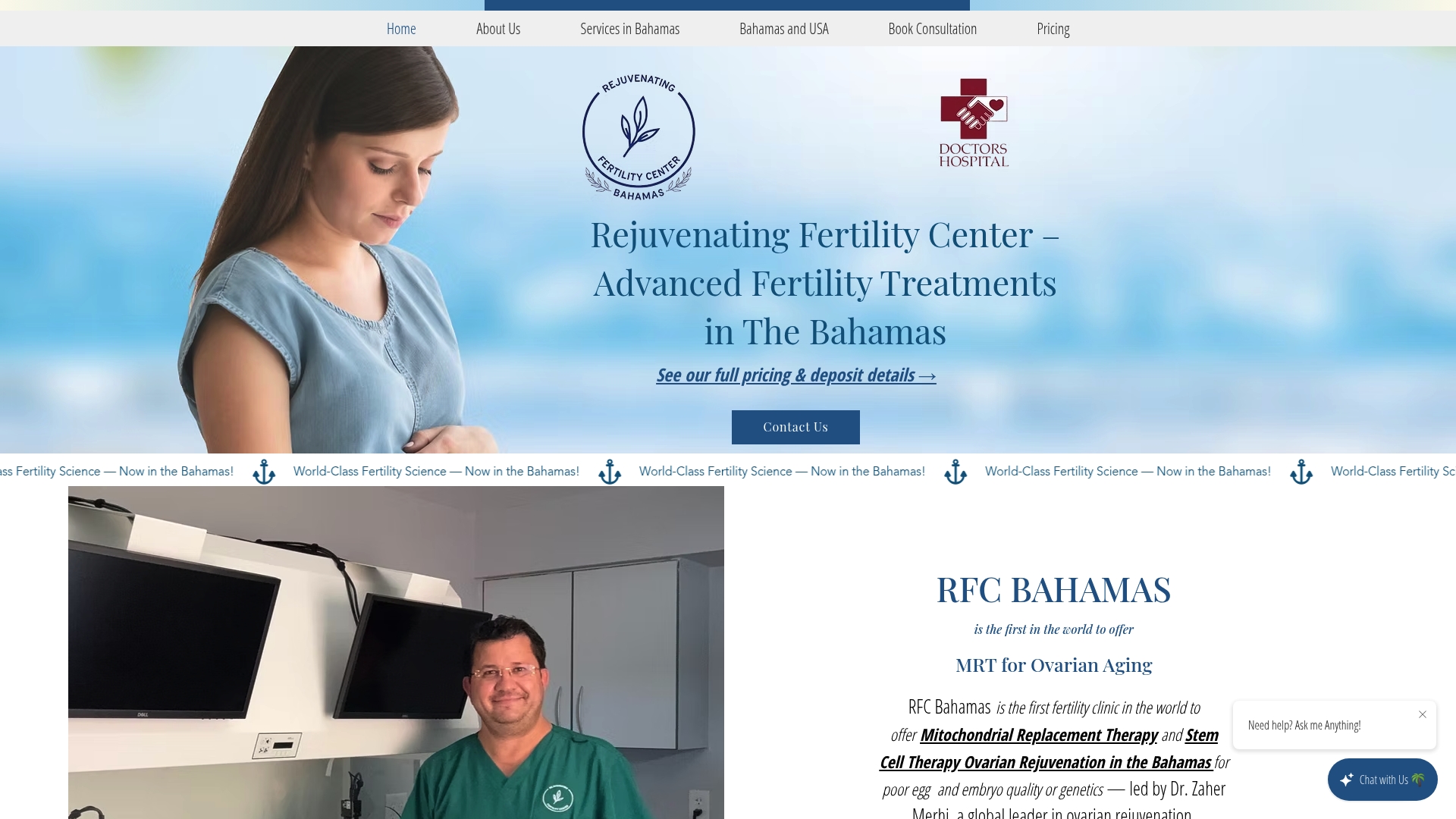
Our team specializes in customizing stimulation protocols, DHEA priming strategies, and DuoStim approaches that maximize egg quality and retrieval numbers for your unique hormone profile. We also provide access to experimental mitochondrial replacement therapy and stem cell treatments within rigorous clinical research frameworks that prioritize your safety while exploring regenerative potential.
Every treatment plan begins with comprehensive ovarian reserve testing and transparent discussion of realistic outcomes, costs, and timelines. We help you understand your options clearly, empowering informed decisions that align with your goals and circumstances. Ready to explore personalized fertility solutions? Visit our advanced fertility treatment planning guide or review our advanced fertility treatment guide to learn how innovative therapies can enhance your fertility journey.
FAQs on Evaluating Fertility Treatment Options for Women Over 40
When is the best time to get ovarian reserve testing?
Schedule ovarian reserve testing as soon as you begin trying to conceive after age 40, or immediately if you’ve tried unsuccessfully for three months. Early baseline testing (AMH, AFC, FSH) reveals your current egg supply and guides protocol selection before further monthly decline occurs. Waiting six months to a year can mean losing critical treatment opportunities.
How do I know if I qualify for mitochondrial replacement or stem cell therapy?
Qualification depends on your ovarian reserve status, age, previous IVF failures, and willingness to participate in research protocols. Women with very low AMH (below 1.0 ng/mL), poor egg quality in prior cycles, or repeated implantation failures often qualify. These therapies remain experimental, so clinics offering them typically require enrollment in approved studies with informed consent and long-term follow-up commitments.
What factors most influence IVF success rates for women over 40?
Age, AMH level, and embryo genetic health drive success rates most significantly. Even with advanced protocols, success declines sharply after 42 due to increasing chromosomal abnormalities. Protocol customization, lifestyle optimization, and banking multiple embryos with genetic testing can moderately improve outcomes, but cannot fully overcome age-related egg quality decline.
How should I evaluate the cost versus benefit of advanced fertility treatments?
Calculate cumulative costs across multiple cycles needed to achieve pregnancy, not just single-cycle prices. Compare your per-cycle live birth probability with each treatment option against total investment required. If standard IVF offers 10% success per cycle at $15,000 versus personalized protocols offering 20% success at $22,000, the higher upfront cost may reduce total cycles and overall expense while improving cumulative success. Consider your financial limits and timeline urgency when making this calculation.
What are the main risks associated with innovative fertility therapies?
MRT and stem cell therapies carry unknown long-term risks including potential genetic effects on offspring, immune reactions, and uncertain impacts on egg quality. Short-term risks include infection from injections, ovarian tissue damage, and wasted financial investment if treatments prove ineffective. These experimental approaches lack the safety data and regulatory approval of standard IVF, requiring careful informed consent and treatment only within approved research settings with long-term monitoring plans.
Recommended
I visited a trusted fertility consultant clinic in London, and the personalised approach made a real difference. The team provided expert recommendations, explained treatment options clearly, and helped me feel confident throughout my fertility journey. http://lunafertility.co.uk/
I recently visited a fertility and egg preservation clinic in London and felt very reassured throughout the process. The consultation was clear, and everything was explained in a calm, professional way.