
Role of Personalized Fertility Care: Improving Outcomes

Finding answers when conventional fertility treatments feel generic can be frustrating for women over 40 facing diminished ovarian reserve. This challenge matters because most clinics still rely on standard protocols that overlook your unique reproductive history, egg quality, and cellular function. By exploring personalized fertility care integrating multidisciplinary approaches, you can discover how advanced diagnostics and innovative therapies, like mitochondrial replacement and stem cell therapies, offer hope tailored to your biology—not just your age.
Table of Contents
Key Takeaways
Point | Details |
Personalized Care is Essential | Personalized fertility care focuses on individual reproductive history and unique needs rather than a generic treatment approach. |
Advanced Diagnostics Matter | Utilizing advanced diagnostic tools is crucial for accurate assessments, leading to better treatment outcomes. |
Debunking Fertility Myths | Understanding and addressing common fertility myths can empower women to seek appropriate care tailored to their specific situations. |
Innovative Treatment Options | New therapies such as Mitochondrial Replacement Therapy and Stem Cell Therapy offer alternatives to traditional methods, contributing to improved fertility outcomes for women over 40. |
Defining Personalized Fertility Care and Common Myths
Personalized fertility care means something fundamentally different from what most women over 40 encounter in traditional fertility clinics. Instead of a one-size-fits-all treatment protocol, it means your care plan is built around your unique reproductive history, current egg quality, mitochondrial function, and specific fertility challenges.
At its core, personalized fertility care integrates multidisciplinary approaches tailored to your individual needs. This isn’t just marketing language—it’s a shift from generic protocols to data-driven, patient-specific treatment strategies that actually address why your ovarian reserve diminished and what your eggs specifically need.
What True Personalized Care Includes
Real personalized fertility care combines several critical elements:
Advanced diagnostics that go beyond standard FSH and AMH testing to assess mitochondrial health and egg quality
Comprehensive reproductive history review examining your specific fertility obstacles, not just age
Individualized treatment protocols rather than standard IVF cycles applied to everyone
Multi-disciplinary evaluation incorporating reproductive endocrinologists, genetic specialists, and other experts
Your active participation in decision-making about which therapies align with your goals
When clinics offer customized fertility solutions based on comprehensive assessment, outcomes improve significantly. Women over 40 with diminished ovarian reserve benefit most because their challenges are rarely identical to other women’s challenges.
Debunking Common Fertility Myths
These myths hold back many women from seeking the right care:
Myth #1: “All women over 40 have the same fertility problem.” Your 42-year-old ovaries don’t work the same way as someone else’s 42-year-old ovaries. Egg quality varies dramatically. Mitochondrial function varies. Uterine receptivity varies. One standard protocol won’t address your specific situation.
Myth #2: “Egg freezing solves everything.” Freezing eggs at 42 is different from freezing eggs at 38, and individualized diagnostic strategies matter before deciding whether freezing makes sense for your situation.
Myth #3: “Higher doses of stimulation medication mean better results.” More medication doesn’t fix poor egg quality. Women with diminished ovarian reserve often respond better to minimal stimulation protocols paired with targeted mitochondrial support therapies.
Myth #4: “Your age determines your outcome.” Age is one factor, but not the only one. Mitochondrial health, embryo quality, and uterine receptivity matter enormously and aren’t determined by age alone.
Myth #5: “IVF is your only real option.” For some women over 40, innovative therapies like stem cell therapy for ovarian rejuvenation or mitochondrial replacement therapy offer alternatives that weren’t available five years ago.
The difference between generic fertility treatment and personalized care often determines whether women over 40 succeed or fail. Your treatment deserves to match your specific biology.
Pro tip: During your initial consultation, ask your fertility specialist exactly how your treatment plan addresses YOUR unique reproductive history and challenges, not just your age. If they can’t explain the personalization, they’re likely applying a generic protocol.
Innovative Treatment Approaches and Technologies
Women over 40 facing diminished ovarian reserve now have access to fertility technologies that didn’t exist a decade ago. These aren’t marginal improvements—they represent fundamental shifts in how we diagnose problems, predict outcomes, and actually reverse some aspects of reproductive aging.
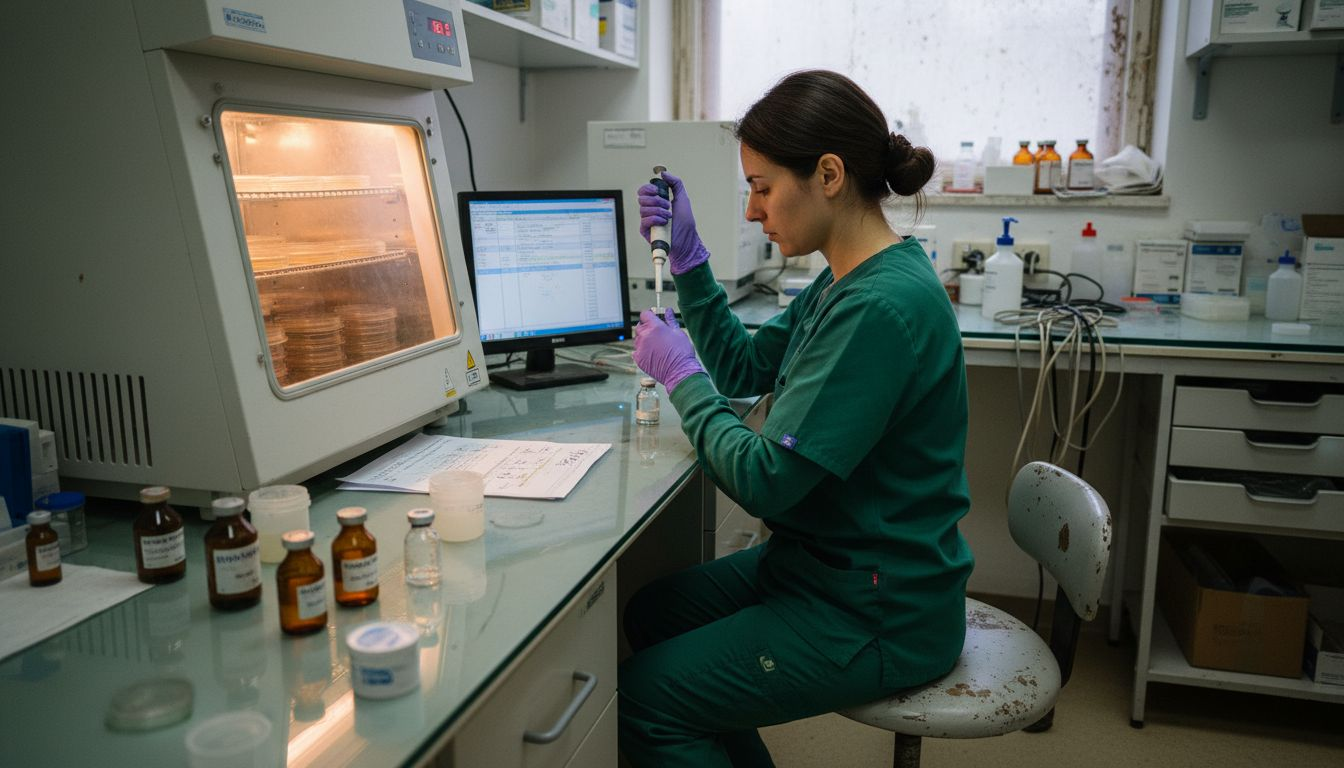
The fertility landscape has transformed because personalized care demands better tools. Generic protocols relied on guesswork. Modern personalized fertility care uses data-driven decision-making powered by advanced diagnostics and cutting-edge therapies specifically designed for your situation.
Advanced Diagnostic Technologies
Before choosing treatment, you need accurate information about your reproductive status. Modern diagnostics go far beyond basic hormone testing:
Comprehensive mitochondrial assessment measuring energy production in your eggs
Advanced embryo screening evaluating genetic health and implantation potential
Ovarian reserve profiling that predicts your response to stimulation protocols
Uterine receptivity testing determining optimal timing for embryo transfer
Genetic carrier screening identifying potential inherited conditions
These tests provide the foundation for truly personalized treatment planning rather than assumptions based on your age alone.
Here’s a quick comparison of advanced fertility diagnostics and what they reveal:
Diagnostic Test | What It Assesses | Impact on Treatment |
Mitochondrial Assessment | Egg energy production | Identifies cell-level interventions |
Embryo Genetic Screening | Chromosomal health | Guides embryo selection accuracy |
Ovarian Reserve Profiling | Future egg capacity | Predicts medication response |
Uterine Receptivity Test | Implantation timing | Optimizes embryo transfer timing |
Genetic Carrier Screening | Inherited conditions risk | Informs decision on donor gametes |
Emerging Treatment Therapies
For women with poor egg quality or diminished ovarian reserve, innovative fertility approaches now address root causes rather than just symptoms. Key emerging therapies include:
Mitochondrial Replacement Therapy (MRT) transfers healthy mitochondria into your eggs, directly improving energy production and egg quality. This targets the fundamental problem many women over 40 face—aging mitochondria that produce fewer eggs and lower-quality embryos.
Stem Cell Therapy for Ovarian Rejuvenation uses your own stem cells to stimulate new egg production and restore ovarian function. Early data shows promising results for women with severely diminished ovarian reserve.
Platelet-Rich Plasma (PRP) Ovarian Injections leverage growth factors from your own blood to activate dormant follicles and improve ovarian health. Some women report improved egg quantity and quality after treatment.
Minimal Stimulation IVF paired with quality enhancement protocols works better for many women over 40 than aggressive stimulation. Fewer eggs of higher quality often outperforms many eggs of poor quality.
AI and Predictive Analytics
Artificial intelligence now predicts ovarian response patterns and embryo viability with remarkable accuracy. Machine learning algorithms analyze thousands of cycles to identify which protocol will work best for your specific biology. This eliminates trial-and-error fertility treatment.
The most successful outcomes for women over 40 come from combining advanced diagnostics with therapies specifically chosen for your reproductive profile, not your age.
Pro tip: Ask your fertility clinic whether they use predictive modeling or AI analysis when creating your treatment protocol. If they can’t explain how they personalized your plan beyond age and AMH levels, you’re likely getting a generic protocol with a personalized price tag.
Personalization in Mitochondrial Replacement and Stem Cell Therapy
Women over 40 with diminished ovarian reserve face a critical reality: your mitochondria aren’t functioning like they did at 30. But here’s what changes everything—personalized mitochondrial replacement and stem cell therapies aren’t one-size-fits-all treatments. They’re customized at the cellular level based on your specific biology.
This is precision medicine in its truest form. Your mitochondrial DNA mutations differ from another woman’s mutations. Your stem cell characteristics are unique to you. Treatment that works brilliantly for one patient might not work for another. Personalization determines success.
Understanding Your Mitochondrial Profile
Before any therapy begins, clinics must identify your specific mitochondrial dysfunction. The assessment includes:
Mitochondrial DNA sequencing identifying which mutations you carry
Energy production testing measuring ATP output in your eggs
Donor egg mitochondrial compatibility ensuring the replacement mitochondria will function properly in your eggs
Cellular response prediction determining how your eggs will respond to the replacement process
Personalized mitochondrial replacement approaches focus on tailoring procedures to your genetic profile, enhancing efficacy while minimizing risks. Your unique mutation pattern determines which donor mitochondria are compatible and which replacement protocol works best.
Stem Cell Therapy Customization
Stem cell therapy for ovarian rejuvenation operates on the same personalization principle. Your stem cells respond differently based on your age, ovarian health status, and cellular environment. Effective treatment requires:
Stem cell characterization assessing your cells’ proliferation capacity and growth factor production
Ovarian microenvironment analysis determining what your ovaries specifically need
Mobilization protocol customization tailoring the activation sequence to your biology
Response monitoring tracking real-time improvements in ovarian function
Precision medicine principles guide stem cell refinement, addressing cellular dysfunctions with therapies matched to your patient-specific characteristics. What stimulates follicle growth in one woman might be ineffective for another.
The Integration Advantage
True personalization combines both therapies intelligently. Some women benefit from mitochondrial replacement first, then stem cell therapy. Others follow the reverse sequence. The optimal sequence depends on your specific cellular deficiencies.
Clinics that measure outcomes continuously adjust protocols based on real results. You’re not following a predetermined script—you’re in an adaptive treatment pathway.
Personalized mitochondrial and stem cell therapies work because they address your specific cellular problems, not theoretical fertility issues. This precision eliminates guesswork that wastes time and resources.
Pro tip: Ask your fertility clinic to provide your mitochondrial DNA analysis results and explain which specific mutations they’re addressing. If they can’t articulate your personalized protocol based on your cellular profile, you’re receiving generic treatment disguised as personalized care.
Benefits, Risks, and Comparing Alternative Options
Choosing a fertility treatment when you’re over 40 with diminished ovarian reserve isn’t simple. Each option carries distinct advantages and specific risks. Understanding what each therapy actually delivers—and what it doesn’t—is essential before committing time and resources.
The key is matching the right treatment to your specific situation. What succeeds brilliantly for one woman might underperform for another. Personalized evaluation determines which path makes sense for you.
Benefits of Each Approach
Different treatments excel in different scenarios:
Standard IVF remains the most established option with extensive outcome data. Benefits include predictable protocols, wide availability, and proven success for many women.
Minimal Stimulation IVF reduces medication burden and works better for some women over 40 who respond poorly to aggressive stimulation. It produces fewer but potentially higher-quality eggs.
Mitochondrial Replacement Therapy (MRT) directly addresses poor egg quality by replacing dysfunctional mitochondria. For women with confirmed mitochondrial dysfunction, this targets the root cause rather than symptoms.
Stem Cell Therapy for Ovarian Rejuvenation stimulates dormant follicles and improves ovarian blood flow. Women with severely diminished ovarian reserve sometimes see improved egg production.
Understanding the Risks
Every fertility treatment carries risks. Personalized risk assessment helps you understand which risks are most relevant to your specific health profile and reproductive situation.
Common risks include:
Ovarian hyperstimulation syndrome (OHSS) with traditional IVF protocols
Infection or bleeding from egg retrieval procedures
Genetic implications when using donor mitochondria or stem cell modifications
Unknown long-term effects of newer therapies like mitochondrial replacement
Emotional and financial burden if treatments don’t produce desired results
Minimal stimulation approaches reduce OHSS risk significantly but may produce fewer eggs. Stem cell therapy carries uncertainties because long-term outcome data remains limited.
Comparing Your Options
Making an informed decision requires understanding trade-offs:
Treatment | Best For | Key Benefits | Primary Risks |
Standard IVF | Proven responders | Extensive data, established protocols | OHSS, high medication doses |
Minimal Stim IVF | Poor responders, age 40+ | Lower medication, fewer side effects | Fewer eggs retrieved |
MRT | Confirmed mitochondrial issues | Targets root cause, improves egg quality | Limited long-term data |
Stem Cell Therapy | Severely diminished reserve | May restore ovarian function, non-invasive | Unpredictable outcomes |
Comprehensive comparative analysis01971-4/fulltext) of fertility options emphasizes that informed decision-making requires understanding how each treatment balances efficacy against your specific health profile and tolerance for risk.
Your Decision Framework
Consider these questions before choosing:
What’s your confirmed diagnosis? (Poor egg quality, low quantity, both?)
How much medication burden can you tolerate?
What’s your timeline and financial capacity?
Are you comfortable with experimental approaches or do you prefer established treatments?
What outcome matters most—maximizing egg number, improving egg quality, or both?
The best fertility treatment isn’t the most advanced or the most popular. It’s the one that addresses your specific reproductive problem with acceptable risks for your situation.
Pro tip: Request a side-by-side comparison table from your fertility clinic showing how each treatment option addresses YOUR specific diagnosis, the realistic success rates for women in your situation, and the specific risks you’d face. If they can’t provide this personalized analysis, they’re not offering truly personalized care.
Financial, Ethical, and Legal Implications Worldwide
Personalized fertility care sounds ideal until you confront the financial reality. Advanced diagnostics, mitochondrial replacement therapy, and stem cell treatments aren’t covered by most insurance plans. For women over 40 pursuing these cutting-edge options, costs escalate quickly—sometimes reaching $30,000 to $50,000 for a single cycle.
But cost is just one layer of complexity. Ethical questions and legal frameworks vary dramatically across countries, creating confusion about what’s actually available where you live.
Financial Barriers and Access Inequality
Personalized fertility care amplifies existing inequities. Consider the reality:
Standard IVF typically costs $12,000 to $15,000 per cycle in the United States
Mitochondrial replacement therapy adds $5,000 to $10,000 to baseline costs
Stem cell therapy ranges from $8,000 to $20,000 depending on protocol complexity
Advanced diagnostics (mitochondrial sequencing, embryo analysis) add $2,000 to $5,000
Multiple cycles become necessary because first attempts often fail
Women with financial resources access personalized options. Women without those resources receive generic protocols—or nothing at all. This creates a two-tiered fertility system where outcomes depend partly on wealth.
Financial burdens and equitable access challenges remain unresolved in global reproductive medicine, urging policy-makers to address affordability and ensure treatments reach diverse populations.
To clarify how treatment and cost vary for personalized fertility options worldwide:
Treatment Type | Typical Cost (US) | Legal Status (UK) | Legal Status (US) |
Standard IVF | $12,000-$15,000 | Fully legal | Fully legal |
Mitochondrial Replacement | $17,000-$25,000 | Regulated, approved | Not approved |
Stem Cell Therapy | $8,000-$20,000 | Unregulated | Experimental use only |
Advanced Diagnostics | $2,000-$5,000 | Legal, widely used | Legal, widely used |
Ethical Considerations
Personalized fertility care raises complex ethical questions without clear answers:
Informed consent complexity: Can patients truly understand risks of experimental therapies like mitochondrial replacement?
Genetic modification implications: Should we alter mitochondrial DNA to treat infertility?
Embryo screening ethics: How much genetic selection is acceptable in pursuit of healthy embryos?
Resource allocation: Should limited healthcare dollars fund fertility treatments or other medical needs?
Commercialization pressures: Do fertility clinics oversell unproven therapies for profit?
These aren’t abstract philosophical debates. They directly impact which treatments clinics offer and which ones patients can access.
Legal Frameworks Across Countries
Fertility law varies wildly by location. What’s legal and regulated in one country is banned in another:
Mitochondrial replacement is approved in the United Kingdom with regulatory oversight but remains illegal or unregulated in most other countries
Stem cell therapies lack clear legal status in many jurisdictions, creating regulatory gray zones
Egg freezing is legal worldwide but varies in funding, legal parentage, and storage regulations
Embryo screening has different legal limits on which genetic conditions justify selection
International treatment seeking raises questions about oversight and patient safety when crossing borders
Ethical guidelines and legal considerations emphasize patient autonomy, cost transparency, and confidentiality protections, though implementation varies globally.
Key Protections You Need
Before pursuing personalized fertility treatment, understand:
Regulatory status of the treatment in your country
Clinic credentials and whether they follow ethical guidelines
Transparent pricing with no hidden costs or pressure tactics
Success rates specific to your diagnosis, not aggregate clinic statistics
Long-term follow-up plans for your health and any children born from treatment
Personalized fertility care promises better outcomes, but promises don’t mean much without transparent costs, clear ethics, and legal protections. Know the full picture before committing.
Pro tip: Before booking treatment, ask your fertility clinic for written documentation of regulatory approval status, clinic accreditation, precise costs including all add-ons, and success rates for women specifically in your age and diagnosis category. Request this in writing so you have a record if complications arise.
Discover Personalized Fertility Solutions Designed for Your Unique Reproductive Journey
The article highlights the critical challenge women face over 40 with diminished ovarian reserve and the importance of personalized fertility care that goes beyond generic treatment plans. If you are struggling with egg quality, mitochondrial dysfunction, or seeking innovative therapies like Mitochondrial Replacement Therapy or Stem Cell Therapy for ovarian rejuvenation, these specialized solutions can offer hope. Understanding your unique reproductive profile and receiving data-driven, customized care is key to improving your chances of success.
At the Rejuvenating Fertility Center in The Bahamas, led by Dr. Zaher Merhi, we specialize in personalizing fertility treatments using cutting-edge technology tailored specifically to your needs. From advanced mitochondrial assessments to minimal stimulation IVF and pioneering regenerative therapies, our scientific approach addresses the root causes impacting your fertility – not just your age. Experience the benefits of targeted therapies that are changing outcomes for women worldwide.
Unlock your fertility potential today by exploring our comprehensive treatment options and learn how personalized care can transform your reproductive future.
Take control of your fertility journey with a personalized consultation at the Rejuvenating Fertility Center. Act now to access advanced therapies designed specifically for your biology and maximize your chance for success. Visit us to begin your path to renewed hope and real results.
Frequently Asked Questions
What is personalized fertility care?
Personalized fertility care is a tailored treatment approach that considers each patient’s unique reproductive history, current egg quality, and specific fertility challenges, moving away from generic protocols to more effective, data-driven strategies.
How does personalized fertility care differ from traditional fertility treatments?
Unlike traditional treatments that use a one-size-fits-all approach, personalized fertility care combines advanced diagnostics and individualized treatment plans, specifically designed for each woman’s unique biology and reproductive goals.
What diagnostic technologies are involved in personalized fertility care?
Advanced diagnostic technologies in personalized fertility care include mitochondrial assessments, embryo genetic screening, ovarian reserve profiling, and uterine receptivity testing, which help to accurately evaluate reproductive health and tailor treatment options.
What are the benefits of personalized fertility care for women over 40?
Women over 40 can experience improved outcomes with personalized fertility care due to its focus on addressing specific issues like diminished ovarian reserve and egg quality, leading to higher chances of successful pregnancies through customized treatment plans.
Recommended
Comments