
Fertility Preservation: Options for Women Over 35

Most American women over 35 are surprised to learn that fertility can decline by up to 50 percent after age 40. Facing diminished ovarian reserve or genetic concerns adds another layer of urgency, especially when exploring options outside the United States. Advanced fertility preservation in the Bahamas offers access to egg freezing and mitochondrial therapy, expanding reproductive choices. This guide breaks down the proven methods, empowering you to make confident, informed decisions about your future.
Table of Contents
Key Takeaways
Point | Details |
Fertility Preservation Importance | This medical strategy is essential for women over 35, helping to extend reproductive options amid age-related or medical challenges. |
Popular Techniques | Key methods include Egg Freezing, Embryo Cryopreservation, and Ovarian Tissue Preservation, each serving unique needs. |
Consideration for Candidates | Groups such as cancer patients and women with genetic predispositions greatly benefit from proactive fertility preservation strategies. |
Financial and Medical Aspects | Costs can range from $10,000 to $25,000, with varying success rates influenced by age and individual health factors. |
Fertility Preservation Defined: Key Concepts
Fertility preservation represents a sophisticated medical strategy designed to protect and maintain reproductive potential for women facing age-related challenges or medical conditions that might compromise fertility. At its core, this approach involves advanced techniques for safeguarding reproductive cells and tissues, ensuring women retain options for future pregnancies. Fertility preservation encompasses a comprehensive range of interventions aimed at protecting reproductive ability from potential damage caused by medical treatments, diseases, aging processes, or genetic factors.
The primary goal of fertility preservation is to provide women, particularly those over 35, with scientifically validated methods to extend their reproductive window. These methods typically include egg freezing, embryo cryopreservation, and emerging technologies like mitochondrial replacement therapy. The process involves informed medical consent, comprehensive counseling, and sophisticated cryopreservation techniques that allow reproductive cells to be safely stored for potential future use.
For women navigating fertility challenges, understanding these techniques provides critical insights into reproductive autonomy. Modern fertility preservation strategies go beyond traditional approaches, integrating advanced scientific protocols that address complex reproductive health scenarios. These techniques are particularly valuable for women experiencing diminished ovarian reserve, those undergoing medical treatments that might impact fertility, or individuals seeking to delay childbearing for personal or professional reasons. By offering scientifically robust options, fertility preservation empowers women to make informed decisions about their reproductive futures.
Pro tip: Schedule a comprehensive fertility assessment with a reproductive specialist before age 38 to understand your specific preservation options and develop a personalized strategy tailored to your unique medical profile.
Types of Fertility Preservation Methods Explained
Fertility preservation offers women multiple sophisticated strategies for safeguarding reproductive potential, each tailored to specific medical and personal circumstances. Comprehensive fertility preservation techniques include cryopreservation of mature and immature oocytes, embryos, and ovarian tissue, alongside emerging reproductive technologies, providing women with unprecedented options for managing their reproductive futures.
The primary fertility preservation methods can be categorized into several key approaches. Egg Freezing involves extracting and cryogenically preserving unfertilized eggs for future use, which is particularly beneficial for women who want to delay childbearing. Embryo Cryopreservation requires fertilizing eggs prior to freezing, typically utilizing sperm from a partner or donor. Ovarian Tissue Preservation represents a more advanced technique involving surgical extraction and freezing of ovarian tissue, which can be reimplanted later to restore hormonal function and potentially enable pregnancy. These methods offer unique protective strategies designed to maintain reproductive function across different medical scenarios and personal circumstances.
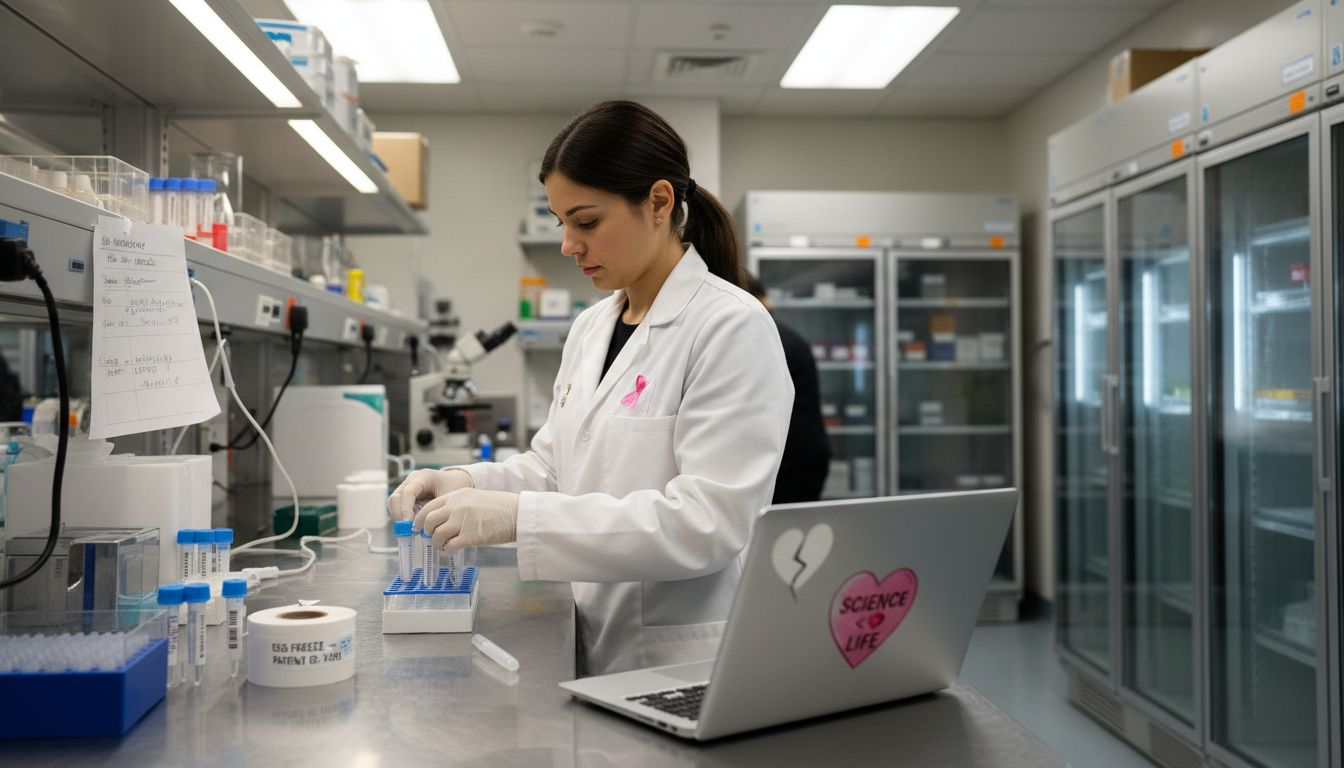
Advanced fertility preservation extends beyond traditional cryopreservation techniques. Emerging technologies like Mitochondrial Replacement Therapy and Stem Cell Ovarian Rejuvenation are revolutionizing reproductive medicine, offering hope for women with diminished ovarian reserve or genetic challenges. These innovative approaches not only preserve fertility but potentially restore reproductive capacity by targeting cellular health and genetic potential. The field continues to evolve, providing increasingly personalized and scientifically sophisticated options for women seeking to protect and optimize their reproductive futures.
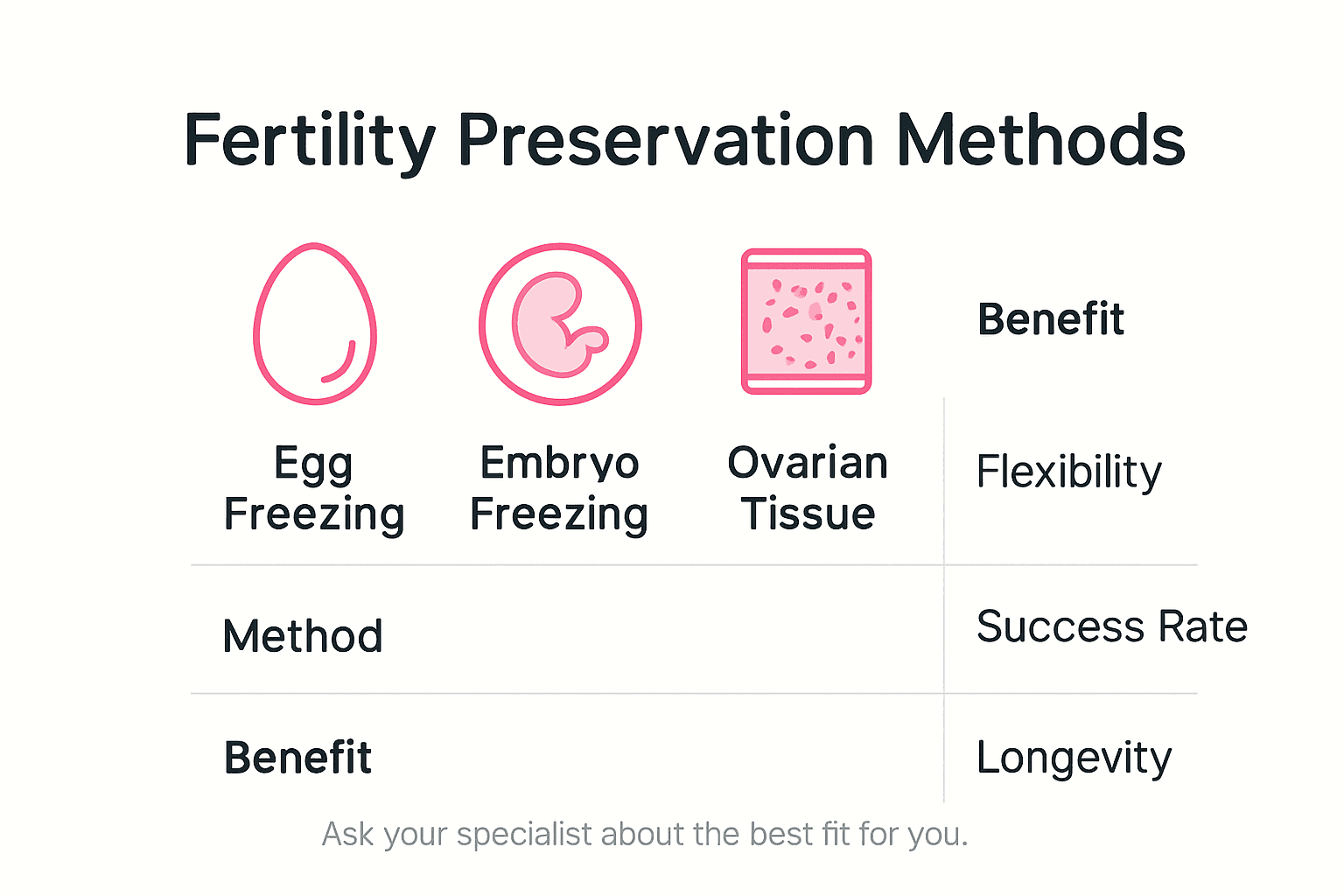
Here is a comparison of key fertility preservation methods and their main advantages:
Method | Core Benefit | Typical Candidate | Duration of Effect |
Egg Freezing | Delays childbearing | Women under 38, career-focused | Up to 10+ years |
Embryo Cryopreservation | Higher future success rates | Couples or donors available | Up to 10+ years |
Ovarian Tissue Preservation | Restores hormone function | Cancer patients, young women | Years post-reimplantation |
Mitochondrial Therapy | Enhances egg quality | Age-related or genetic challenges | Under research |
Pro tip: Consult a reproductive specialist to develop a personalized fertility preservation strategy that considers your unique medical history, age, and long-term reproductive goals.
How Egg Freezing and Mitochondrial Therapy Work
Egg freezing represents a groundbreaking fertility preservation technique that enables women to strategically pause their biological clock, providing unprecedented control over reproductive timelines. This sophisticated medical procedure involves carefully extracting and cryogenically preserving a woman’s eggs during her most fertile years, allowing her to delay childbearing without compromising egg quality or genetic potential.
The egg freezing process follows a precise multi-step protocol. Initially, women undergo hormonal stimulation to encourage multiple egg production, followed by a minimally invasive surgical retrieval procedure. These harvested eggs are then rapidly frozen using advanced vitrification technology, which prevents ice crystal formation and maintains cellular integrity. When a woman decides to pursue pregnancy, the eggs are carefully thawed, fertilized through intracytoplasmic sperm injection (ICSI), and subsequently transferred as embryos, offering a scientifically robust pathway to conception.
Mitochondrial Therapy represents an emerging frontier in reproductive medicine, targeting the cellular powerhouses that critically influence egg quality and fertility. This innovative approach focuses on enhancing mitochondrial function, which naturally declines with age, potentially reversing some age-related fertility limitations. By introducing healthy mitochondrial DNA or stimulating existing mitochondrial regeneration, this therapy aims to improve egg viability, cellular energy production, and overall reproductive potential for women experiencing diminished ovarian reserve.
Pro tip: Consult a reproductive specialist early to understand your specific fertility preservation options and develop a personalized strategy that aligns with your reproductive goals and medical profile.
Who Should Consider Fertility Preservation
Fertility preservation represents a critical medical intervention for specific groups facing potential reproductive challenges, offering strategic options to protect future reproductive potential. Women over 35 represent a primary demographic for proactive fertility preservation, particularly those experiencing diminished ovarian reserve, genetic predispositions, or complex medical histories that might compromise natural conception.
Several key populations should strongly consider fertility preservation strategies. Cancer Patients undergoing gonadotoxic treatments face immediate fertility risks, making early intervention crucial. Individuals with Autoimmune Disorders experiencing potential reproductive complications represent another critical group. Women with Genetic Predispositions to early menopause or those with family histories of reproductive challenges can benefit significantly from preemptive fertility strategies. Additionally, professional women pursuing career goals or those experiencing delayed family planning due to personal or economic circumstances find fertility preservation particularly valuable.
Beyond traditional medical scenarios, emerging medical technologies have expanded fertility preservation options for increasingly diverse populations. Transgender individuals planning medical transitions, women with chromosomal abnormalities, and those with complex reproductive health histories now have sophisticated pathways to preserve their genetic potential. Advanced techniques like mitochondrial replacement therapy and stem cell interventions offer unprecedented opportunities for women previously considered limited in their reproductive options, transforming the landscape of reproductive medicine and personal reproductive autonomy.
Pro tip: Schedule a comprehensive reproductive health assessment before age 38 to understand your unique fertility profile and develop a personalized preservation strategy.
Risks, Costs, and Success Rates to Know
Fertility preservation involves complex medical procedures with nuanced financial and medical considerations that demand careful evaluation, requiring prospective patients to understand potential risks, financial implications, and realistic success probabilities. Women contemplating these advanced reproductive technologies must navigate a sophisticated landscape of medical interventions, each with unique outcomes and potential challenges.
The primary risks associated with fertility preservation techniques include Ovarian Hyperstimulation Syndrome (OHSS), procedural complications during egg retrieval, and potential hormonal disruptions. Success rates vary dramatically based on age, with women under 35 experiencing significantly higher pregnancy rates compared to those over 40. Typical success metrics range from 30-50% live birth rates per frozen egg cycle, though individual outcomes depend on multiple factors including egg quality, retrieval techniques, and underlying reproductive health. Potential medical risks might include minor surgical complications, temporary hormonal imbalances, and rare instances of ovarian tissue damage during extraction procedures.
Financial considerations represent another critical dimension of fertility preservation. Comprehensive fertility preservation strategies can range from $10,000 to $25,000, encompassing hormonal stimulation, egg retrieval, cryopreservation, and ongoing storage fees. Insurance coverage remains inconsistent, with many providers offering limited or no support for these advanced reproductive technologies. Additional financial complexities emerge from potential multiple treatment cycles, medications, and long-term storage expenses, making comprehensive financial planning an essential component of the fertility preservation journey.
Below is a summary of common risks, costs, and success rates of fertility preservation options:
Factor | Details for Patients | Impact by Age | Typical Range |
Medical Risks | OHSS, surgical issues, hormones | Higher over age 40 | Mild to moderate |
Success Rate | Live birth per cycle | Lower with age | 30-50% under 35 |
Cost | Procedures, storage, medications | Mostly fixed per cycle | $10,000-$25,000 |
Insurance | Limited support, varies by plan | Not age dependent | Often not covered |
Pro tip: Request detailed written cost breakdowns and success rate projections from multiple fertility centers, and consider consulting a financial advisor specializing in reproductive healthcare planning.
Take Control of Your Fertility Future with Advanced Preservation Options
Women over 35 face real challenges such as diminished ovarian reserve and age-related egg quality decline that can limit reproductive choices. This article highlights the critical importance of techniques like egg freezing, mitochondrial replacement therapy, and ovarian tissue preservation to safeguard fertility and extend reproductive potential. If you are searching for personalized solutions that go beyond traditional methods and address complex fertility obstacles, Rejuvenating Fertility Center in the Bahamas offers pioneering treatments designed just for you.
Our expertise in cutting-edge options such as Mitochondrial Replacement Therapy and Stem Cell Therapy for ovarian rejuvenation specifically caters to women seeking improved egg quality and higher success rates despite age or medical challenges. Led by Dr. Zaher Merhi, our center combines scientific innovation with compassionate care to create tailored fertility strategies that empower you to realize your family-building goals.
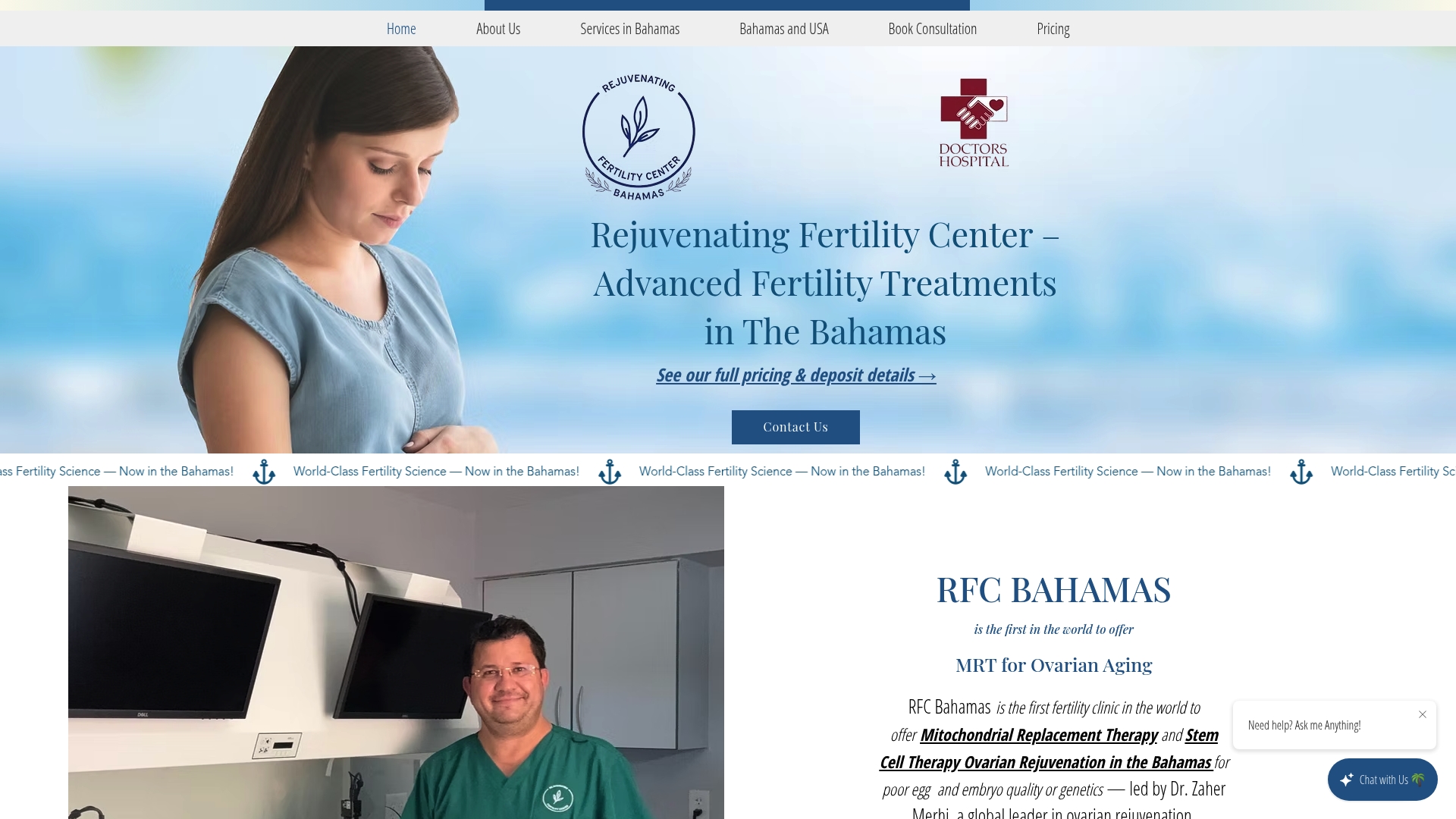
Don’t wait until time runs out on your fertility options. Visit Rejuvenating Fertility Center today to schedule your personalized consultation. Discover how advanced reproductive medicine can give you the confidence and control to secure your reproductive future now.
Frequently Asked Questions
What is fertility preservation?
Fertility preservation is a medical strategy designed to protect a woman’s reproductive potential. It involves techniques like egg freezing and embryo cryopreservation to maintain options for future pregnancies, especially for women over 35 facing fertility challenges.
Who should consider fertility preservation?
Women over 35, cancer patients, individuals with autoimmune disorders, and those with genetic predispositions to early menopause should consider fertility preservation options. It can also benefit career-focused women or anyone wishing to delay childbearing for personal reasons.
What are the main methods of fertility preservation?
The primary methods include egg freezing, embryo cryopreservation, and ovarian tissue preservation. Advanced techniques like mitochondrial replacement therapy are also emerging as options for preserving and improving fertility.
What are the risks and success rates associated with fertility preservation?
Risks include ovarian hyperstimulation syndrome and procedural complications. Success rates can vary, with women under 35 experiencing live birth rates of 30-50% per frozen egg cycle. Factors affecting success include age and egg quality.
Recommended
Comments