
Fertility Tourism: Advanced Treatments Abroad Explained

Trying to build a family after 40 often brings unexpected barriers women did not anticipate in their earlier years. The search for fertility solutions goes far beyond looking for lower costs or basic procedures—many women are drawn to places like the Bahamas where advanced treatments such as mitochondrial replacement therapy are available. Understanding the true complexity of fertility tourism helps women make empowered decisions and discover options suited to their unique medical needs.
Table of Contents
Key Takeaways
Point | Details |
Fertility Tourism Growth | Fertility tourism is driven by diverse motivations including legal restrictions, financial considerations, and advanced treatment availability. |
Importance of Research | Patients must thoroughly research international clinics, focusing on medical credentials and legal compliance before proceeding. |
Legal and Ethical Complexities | Navigating the legal and ethical landscape of fertility tourism requires understanding varying regulations and potential exploitation risks. |
Success Factors | Key factors influencing treatment success include the clinic’s technological capabilities, physician expertise, and the patient’s individual health status. |
Fertility Tourism Explained and Common Misconceptions
Fertility tourism represents a complex global phenomenon where individuals travel internationally to access specialized reproductive medical treatments. Reproductive tourism emerges from diverse motivations including legal restrictions, financial considerations, and seeking advanced medical procedures unavailable in patients’ home countries.
The practice encompasses a wide range of patient demographics, including:
Couples experiencing infertility
Single individuals wanting children
Women over 40 seeking advanced reproductive technologies
LGBTQIA+ individuals exploring alternative family-building options
Patients navigating restrictive national reproductive healthcare policies
Understanding fertility tourism requires recognizing the significant global variations in reproductive healthcare accessibility. International fertility treatment has become increasingly sophisticated, with certain countries positioning themselves as specialized destinations for cutting-edge reproductive technologies.
Contrary to common misconceptions, fertility tourism is not simply about finding cheaper treatments. Emerging research highlights complex social dynamics involving shifting workforce participation, delayed childbearing trends, and evolving reproductive medical capabilities.
Key Motivations for Fertility Tourism:
Access to treatments prohibited in home country
Lower overall treatment costs
Higher success rates at specialized clinics
More inclusive reproductive policies
Advanced medical technologies
Patients considering fertility tourism must carefully evaluate multiple factors including medical expertise, legal frameworks, potential risks, and long-term treatment implications. Comprehensive research and consultation with reproductive health specialists become paramount in making informed decisions.
Pro tip: Before embarking on fertility tourism, thoroughly verify the medical credentials, success rates, and legal standing of international clinics to ensure safe and ethical reproductive care.
Types of Fertility Tourism and Key Destinations
Fertility tourism encompasses a diverse range of reproductive medical treatments that patients seek internationally. Fertility tourism types include sophisticated procedures like in vitro fertilization (IVF), artificial insemination, egg and sperm donation, surrogacy, and preimplantation genetic diagnosis.
Popular international destinations for fertility treatments vary significantly based on several critical factors:
Legal Environment: Countries with progressive reproductive healthcare policies
Treatment Costs: Regions offering more affordable medical procedures
Medical Success Rates: Clinics with proven track records of successful treatments
Technological Advancement: Locations with cutting-edge reproductive technologies
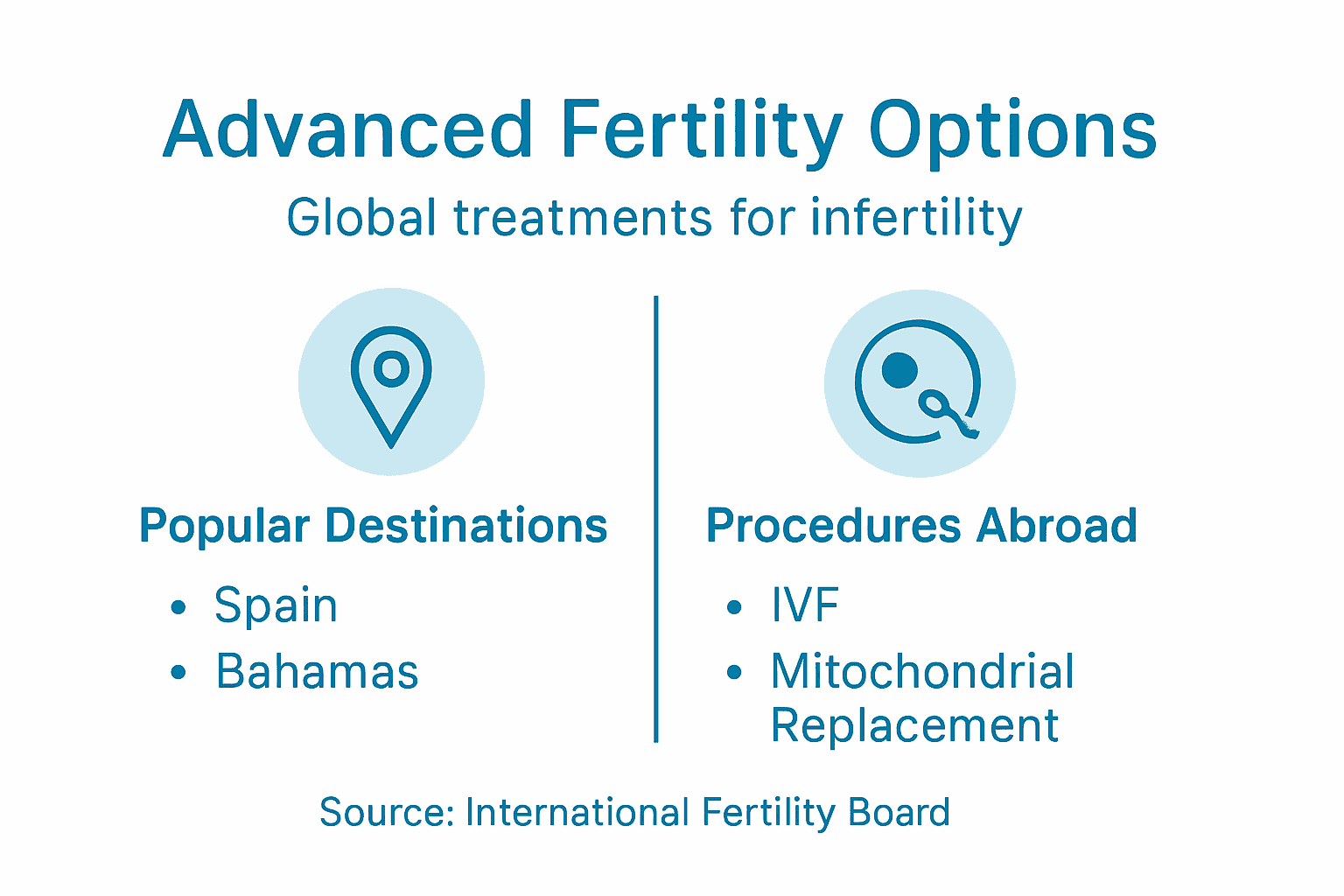
Specific global destinations have emerged as leaders in particular fertility services. For instance, Spain and the Czech Republic are renowned for comprehensive IVF treatments, while Denmark specializes in sperm donation. The United States remains a top destination for advanced genetic screening and sex selection procedures.

Emerging research highlights the complex global dynamics driving fertility tourism. Patients from developed countries increasingly seek treatments in developing nations, motivated by a combination of cost-effectiveness, treatment availability, and more inclusive reproductive policies.
Key International Fertility Treatment Destinations:
Here’s a quick reference comparing leading fertility tourism destinations and their specialties:
Country | Key Specialty | Typical Patient Reason | Legal Environment |
Spain | IVF, egg donation | Advanced procedures access | Progressive, regulated |
Czech Republic | Affordable IVF technologies | Lower cost, latest tech | Permissive, regulated |
United States | Genetic screening, surrogacy | Complex cases, genetic needs | State-by-state varied |
India | Cost-effective treatment | Budget-focused | Evolving, changing |
Denmark | Sperm donation | Single/LGBTQIA+ access | Inclusive, regulated |
Spain: Comprehensive IVF and egg donation
Czech Republic: Affordable and advanced reproductive technologies
Israel: Innovative fertility solutions
India: Cost-effective treatments
United States: Advanced genetic screening
Patients considering fertility tourism must conduct thorough research, understanding the legal, medical, and ethical implications of seeking treatment abroad. Consulting with reproductive health specialists and carefully evaluating clinic credentials becomes paramount in making informed decisions.
Pro tip: Research potential international fertility clinics extensively, verifying their medical credentials, success rates, and legal compliance before committing to treatment abroad.
Advanced Procedures: Mitochondrial Replacement and IVF
Mitochondrial replacement techniques (MRTs) represent a groundbreaking frontier in reproductive medicine, offering hope for women struggling with fertility challenges. Mitochondrial replacement approaches include two primary methods: heterologous (using donor mitochondria) and autologous (utilizing patient’s own stem-cell derived mitochondria).
Key characteristics of Mitochondrial Replacement Therapy include:
Potential to prevent mitochondrial diseases
Improved oocyte quality for older patients
Advanced genetic screening capabilities
Innovative approach to addressing reproductive challenges
Targeted solution for women with diminished fertility
The primary goal of these advanced reproductive technologies is to enhance fertility outcomes by addressing underlying cellular dysfunction. Specifically, MRTs aim to:
Improve egg quality
Reduce genetic transmission risks
Increase successful pregnancy rates
Provide options for women with complex fertility challenges
Ethical considerations surrounding mitochondrial replacement remain complex, with ongoing discussions about genetic inheritance and long-term implications. Currently, only a few countries like the United Kingdom and Australia have established legal frameworks for these innovative treatments.
Mitochondrial Replacement Compared to Traditional IVF:
Traditional IVF: Fertilizes eggs outside the body
Mitochondrial Replacement: Addresses cellular-level genetic challenges
Traditional IVF: Standard treatment for many fertility issues
Mitochondrial Replacement: Specialized approach for specific genetic conditions
These advanced procedures represent a significant leap forward in reproductive medicine, offering hope to patients who previously had limited options. The technologies continue to evolve, with researchers working to expand their potential and address existing limitations.
Pro tip: Consult multiple reproductive specialists to understand the nuanced potential of mitochondrial replacement techniques for your specific fertility journey.
Legal and Ethical Considerations Worldwide
Cross-border reproductive tourism presents a complex landscape of legal and ethical challenges that potential patients must carefully navigate. Global reproductive legal challenges encompass intricate issues surrounding parental rights, citizenship, and the fundamental ethical considerations of international fertility treatments.
Key Legal Dimensions of Fertility Tourism Include:
Variability in international surrogacy regulations
Disparate egg donation laws across countries
Complex embryo selection legal frameworks
Citizenship and parental rights complications
Contractual enforcement challenges
The ethical considerations extend far beyond simple legal compliance, touching on profound human rights and dignity issues. International reproductive practices must carefully balance individual reproductive autonomy with potential systemic risks of exploitation and commodification.
Potential Ethical Concerns in Fertility Tourism:
Potential economic exploitation of donors
Informed consent complexities
Reproductive autonomy challenges
Long-term genetic and social implications
Unequal power dynamics between patients and service providers
Regulatory Landscape Worldwide:
United States: Decentralized, state-by-state approach
United Kingdom: Strict regulatory framework
Australia: Comprehensive legal oversight
India: Evolving regulatory environment
Eastern European Countries: Relatively permissive policies
Patients considering cross-border reproductive treatments must conduct extensive research, understanding the nuanced legal and ethical landscape that varies dramatically between jurisdictions. Comprehensive consultation with legal and medical professionals becomes crucial in navigating these complex international reproductive choices.
Pro tip: Consult international reproductive law specialists and obtain comprehensive legal documentation before pursuing fertility treatments abroad.
Risks, Costs, and Success Factors for Patients
Fertility tourism represents a complex medical journey with significant financial and health considerations. Global fertility tourism dynamics reveal substantial variations in treatment costs, success rates, and potential risks across international destinations.
Key Financial Considerations:
Cost savings ranging from 50% to 80% compared to home countries
Significant price variations between different international clinics
Potential hidden expenses including travel, accommodation, and follow-up care
Insurance coverage complexities for international treatments
Long-term financial planning requirements
Major Risk Categories for Patients:
The table below outlines major risks and financial considerations in international fertility treatment:
Concern Area | Typical Challenge | Patient Impact |
Medical Quality | Varying clinic standards | Safety, treatment effectiveness |
Legal Issues | Changing national laws | Parental rights uncertainties |
Hidden Costs | Travel, follow-up expenses | Higher overall financial burden |
Communication | Language and cultural barriers | Misunderstandings, less support |
Medical quality and clinic standards
Legal and regulatory uncertainties
Potential health complications
Communication and cultural barriers
Limited post-treatment support mechanisms
Fertility tourism market research indicates that success rates are heavily influenced by multiple interconnected factors. Critical success determinants include:
Patient’s age and overall health profile
Specific clinic’s technological capabilities
Physician’s expertise and experience
Advanced reproductive technology available
Comprehensive screening and diagnostic processes
Success Rate Influencing Factors:
Technological Advancement: Cutting-edge medical equipment
Physician Expertise: Years of specialized experience
Patient Health: Individual physiological considerations
Treatment Protocol: Personalized medical approach
Diagnostic Precision: Comprehensive initial assessments
Patients must conduct thorough research, comparing multiple clinics, understanding potential risks, and developing realistic expectations. Comprehensive medical and legal consultations are essential in making informed decisions about international fertility treatments.
Pro tip: Create a detailed spreadsheet comparing international clinics, documenting success rates, total costs, legal requirements, and physician credentials to make an informed treatment decision.
Discover Advanced Fertility Solutions Beyond Traditional Options
Fertility tourism often presents challenges such as navigating complex legal environments, seeking cutting-edge procedures like mitochondrial replacement therapy, and overcoming poor ovarian reserve or genetic fertility issues. If you are exploring advanced reproductive treatments abroad to improve egg quality, increase pregnancy success rates, or access innovative therapies unavailable or restricted in your country, understanding your options is crucial.
At Rejuvenating Fertility Center in the Bahamas, we specialize in pioneering treatments including Mitochondrial Replacement Therapy and Stem Cell Therapy for ovarian rejuvenation, tailored for women facing diminished fertility or genetic concerns. Led by Dr. Zaher Merhi, our center combines extensive scientific expertise with personalized care to provide safe, ethical, and effective fertility solutions in an inclusive legal framework.
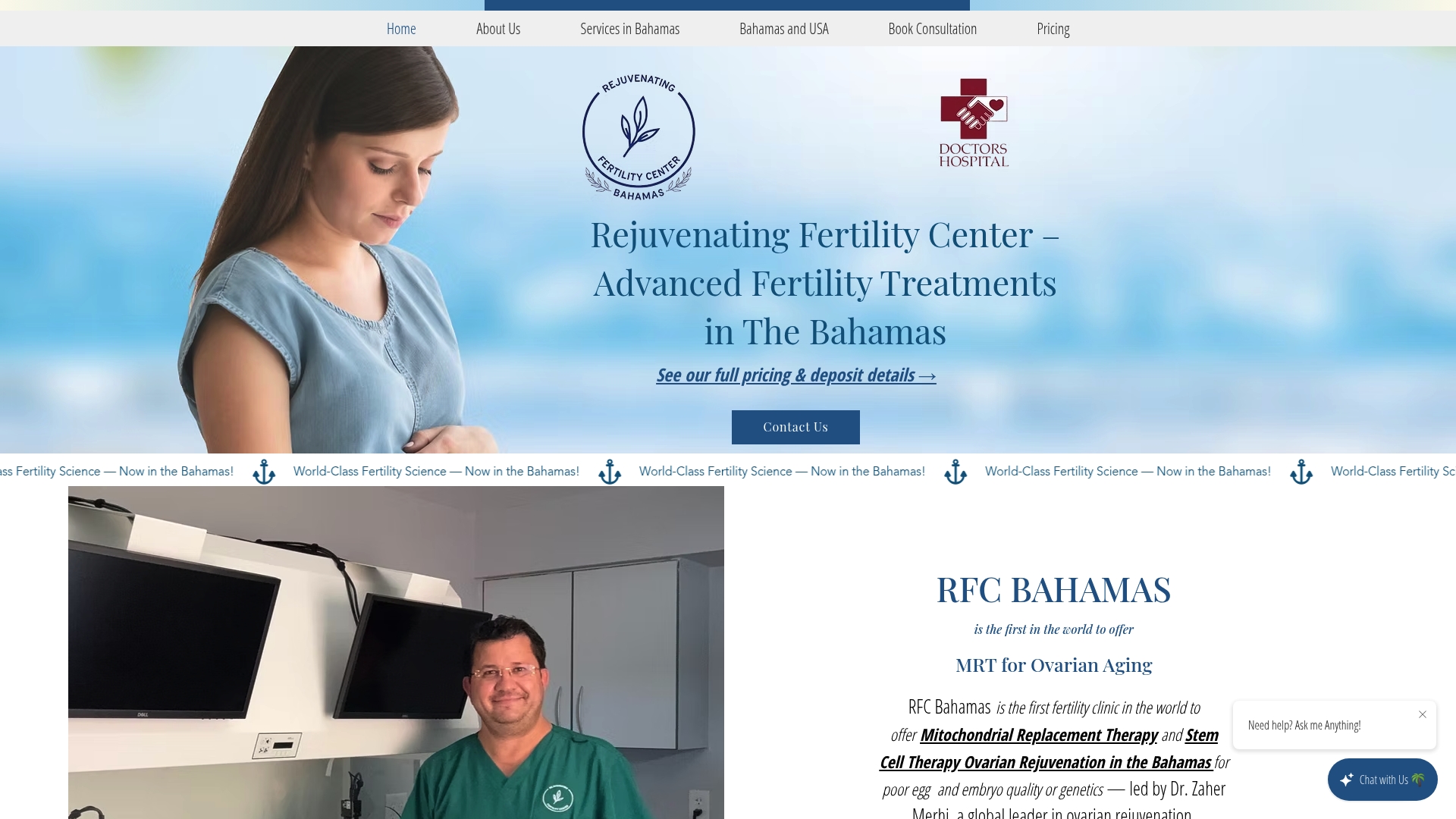
Take control of your fertility journey today by exploring how our advanced therapies can offer hope beyond conventional IVF. Visit Rejuvenating Fertility Center to learn more about our innovative treatments and schedule a consultation with our specialists. Your path to parenthood can begin with informed, cutting-edge care designed just for you.
Frequently Asked Questions
What is fertility tourism?
Fertility tourism is the practice of traveling internationally to access specialized reproductive medical treatments, often motivated by legal restrictions, financial considerations, or advanced medical procedures not available in a patient’s home country.
What are some common motivations for seeking fertility treatments abroad?
Patients often seek fertility treatments abroad for access to prohibited procedures, lower treatment costs, higher success rates at specialized clinics, more inclusive reproductive policies, and advanced medical technologies.
What types of treatments are typically sought in fertility tourism?
Common treatments include in vitro fertilization (IVF), artificial insemination, egg and sperm donation, surrogacy, and preimplantation genetic diagnosis, among other advanced reproductive technologies.
What key factors should patients consider before pursuing fertility tourism?
Patients should carefully evaluate medical expertise, legal frameworks, potential risks, treatment costs, success rates of clinics, and long-term implications before making informed decisions about fertility tourism.
Recommended
Comments