
Ovarian Rejuvenation: Restoring Fertility for Women Over 35

Most American women over 35 facing diminished ovarian reserve find traditional fertility methods offer limited hope. Recent innovations in ovarian rejuvenation are reshaping possibilities, allowing international clinics from places like the Bahamas to provide promising alternatives. Studies reveal that up to fifty percent of fertility patients seek advanced regenerative options when standard treatments fall short. This article explains the essentials you need to know about ovarian rejuvenation so you can make informed choices about your reproductive future.
Table of Contents
Key Takeaways
Point | Details |
Ovarian Rejuvenation Techniques | Ovarian rejuvenation includes advanced methods like Platelet-Rich Plasma, stem cell therapy, and mitochondrial transfer to enhance reproductive potential. |
Candidate Eligibility | Ideal candidates are generally women over 35 with diminished fertility or diagnosed with premature ovarian insufficiency (POI). |
Success Rates & Risks | Success rates are variable, with potential risks including infection and ovarian damage; costs can be high, often not covered by insurance. |
Comparison to Traditional Methods | Ovarian rejuvenation aims to restore ovarian function, distinguishing itself from traditional fertility treatments like IVF, which often rely on hormonal stimulation. |
Ovarian rejuvenation and core concepts
Ovarian rejuvenation represents a groundbreaking approach in reproductive medicine, challenging traditional assumptions about female fertility and aging. Historically, medical science believed women were born with a fixed number of eggs that gradually diminish over time. However, emerging research reveals a more dynamic perspective, suggesting that ovarian regenerative strategies can potentially restore reproductive potential.
The core concept behind ovarian rejuvenation involves advanced regenerative techniques targeting the complex biological mechanisms of ovarian aging. These innovative approaches focus on multiple strategies, including stem cell therapies, mitochondrial transfer, and intraovarian interventions designed to improve follicle viability and enhance the ovarian microenvironment. By utilizing autologous stem cells and sophisticated cellular manipulation techniques, researchers aim to potentially reverse some effects of reproductive aging and restore ovarian function.
Key regenerative approaches in ovarian rejuvenation include platelet-rich plasma (PRP) treatments, stem cell therapies, and mitochondrial transfer protocols. These interventions target specific aspects of ovarian decline by modifying the cellular environment and potentially stimulating dormant reproductive mechanisms. The goal is not merely to slow aging but to create meaningful improvements in egg quality, follicle health, and overall reproductive potential for women experiencing diminished ovarian reserve.
Pro tip: Consult with reproductive specialists who specialize in advanced fertility technologies to understand personalized ovarian rejuvenation options tailored to your specific health profile and fertility goals.
Types and techniques of ovarian rejuvenation
Ovarian rejuvenation encompasses several advanced medical techniques designed to restore and enhance reproductive potential for women experiencing diminished fertility. Emerging technologies offer multiple approaches to potentially reverse ovarian aging and stimulate reproductive function, targeting the fundamental biological processes that contribute to reproductive decline.
Key techniques in ovarian rejuvenation include platelet-rich plasma (PRP) therapy, stem cell treatments, and mitochondrial transfer. These innovative interventions work through different mechanisms to improve ovarian function. PRP therapy involves injecting concentrated platelets to stimulate tissue regeneration, while stem cell approaches aim to rebuild and regenerate ovarian tissue using various cellular sources like mesenchymal and induced pluripotent stem cells. Mitochondrial transfer techniques focus on replacing damaged cellular energy producers to potentially enhance egg quality and reproductive potential.
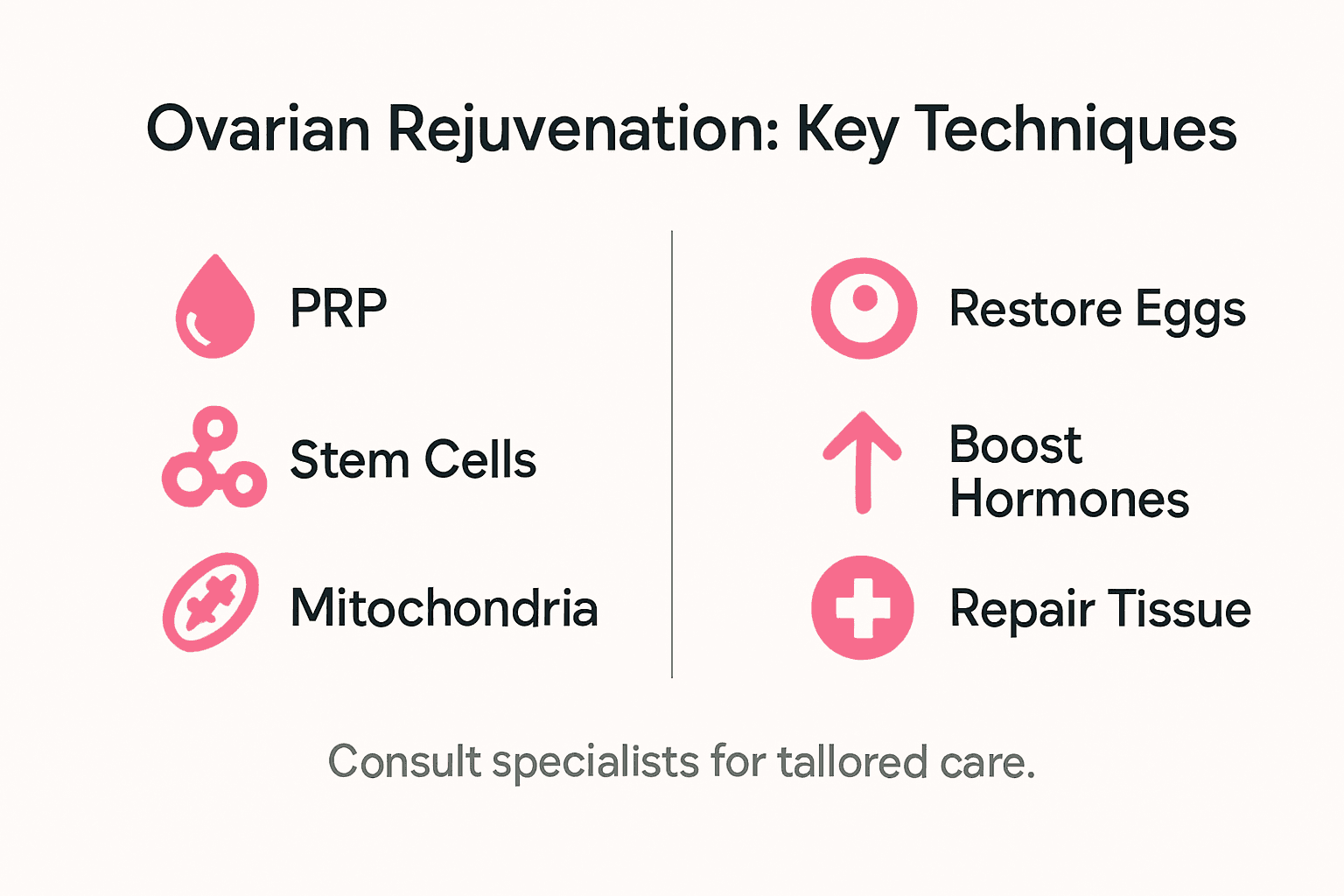
The spectrum of ovarian rejuvenation techniques is comprehensive, ranging from minimally invasive interventions to more complex cellular therapies. These methods include in vitro activation (IVA) of dormant follicles, exosome therapy, microRNA interventions, and advanced stem cell transplantation protocols. Each approach targets different aspects of ovarian function, with the overarching goal of extending reproductive capabilities and potentially reversing age-related fertility decline. By addressing multiple biological pathways, these techniques offer hope for women seeking to expand their reproductive options beyond traditional fertility treatments.
Here’s a summary of prominent ovarian rejuvenation techniques and their key features:
Technique | Main Purpose | Level of Invasiveness | Source Material Used |
Platelet-Rich Plasma | Stimulate tissue repair | Minimally invasive | Patient’s own blood |
Stem Cell Therapy | Regenerate ovarian tissue | Moderately invasive | Autologous stem cells |
Mitochondrial Transfer | Improve egg quality | Advanced cellular protocol | Donor or autologous cells |
In Vitro Activation | Activate dormant follicles | Laboratory-based process | Ovarian tissue samples |
Pro tip: Conduct thorough consultations with reproductive specialists who can comprehensively evaluate your specific ovarian health and recommend personalized rejuvenation strategies tailored to your unique physiological profile.
How ovarian rejuvenation procedures work
Advanced ovarian rejuvenation procedures represent a sophisticated approach to restoring reproductive potential, utilizing cutting-edge medical technologies to address fertility challenges. These minimally invasive interventions target the fundamental biological mechanisms underlying ovarian aging, focusing on cellular regeneration and functional restoration for women experiencing diminished fertility.
The core procedural mechanism involves intraovarian injections of specialized therapeutic agents, primarily platelet-rich plasma (PRP) and autologous stem cells. These targeted treatments work by delivering a concentrated mix of growth factors, cytokines, and regenerative cells directly into ovarian tissue. The injected components stimulate several critical biological processes, including tissue repair, neovascularization, and follicular activation. By reducing oxidative stress and enhancing mitochondrial function, these procedures aim to optimize the ovarian microenvironment and potentially improve egg quality and reproductive potential.
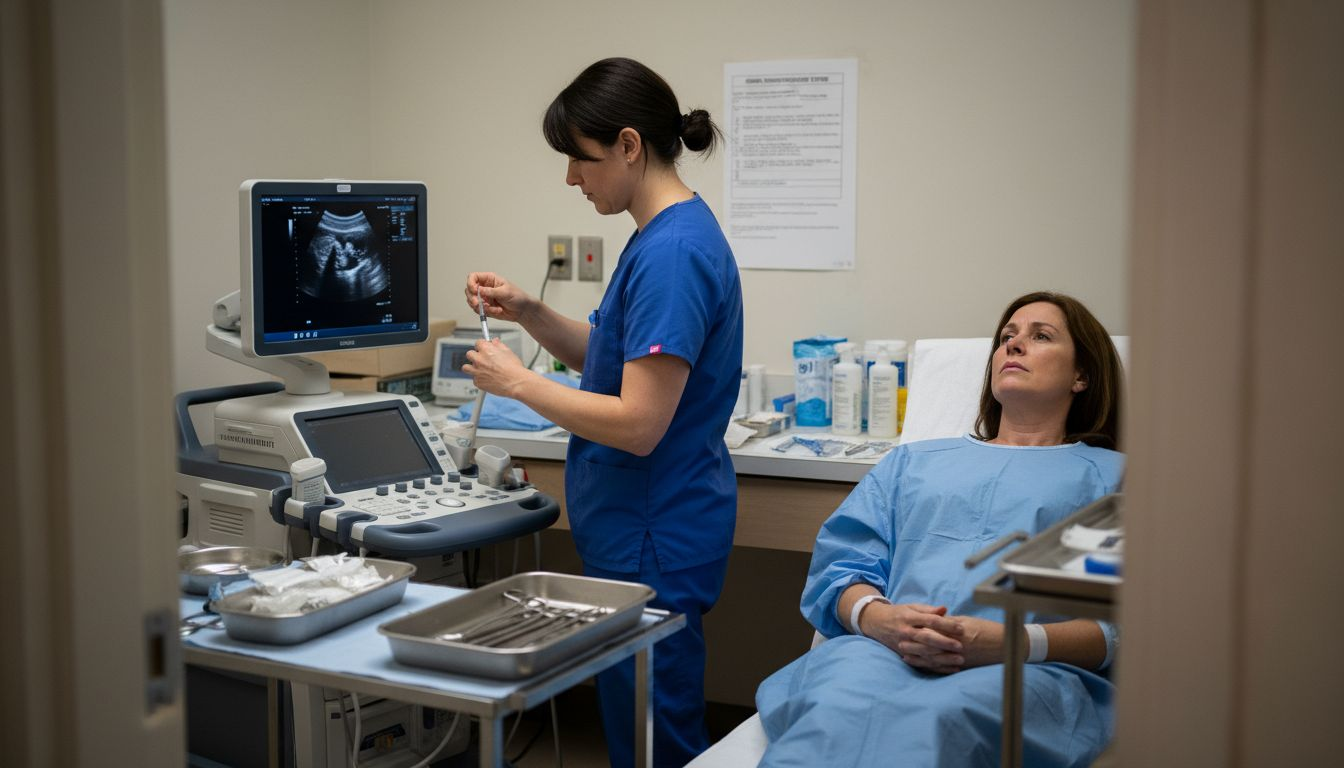
The procedural workflow typically involves careful patient screening, precise cellular preparation, and ultrasound-guided injection techniques. Practitioners collect the patient’s own blood or stem cells, concentrate the regenerative components, and strategically inject them into specific ovarian regions. This autologous approach minimizes immunological risks and maximizes the potential for cellular integration and tissue regeneration. Different rejuvenation techniques may target various aspects of ovarian function, including stimulating dormant follicles, improving blood flow, and reducing inflammatory responses that can impede reproductive health.
Pro tip: Request a comprehensive diagnostic assessment before pursuing ovarian rejuvenation to ensure the most appropriate and personalized treatment strategy for your specific reproductive health profile.
Who qualifies for ovarian rejuvenation treatments
Ovarian rejuvenation treatments offer a promising option for women facing specific fertility challenges, targeting those experiencing diminished reproductive potential. The ideal candidates typically include women over 35 who are struggling with reduced fertility, experiencing early signs of ovarian decline, or encountering obstacles in traditional reproductive treatments.
Specifically, women who may qualify for ovarian rejuvenation include those diagnosed with premature ovarian insufficiency (POI), individuals with markedly low anti-Müllerian hormone (AMH) levels, and patients who have demonstrated poor response to conventional assisted reproductive technologies. These advanced treatments are particularly beneficial for women who have exhausted traditional fertility options or are seeking alternatives to donor egg treatments. Key eligibility criteria often involve comprehensive medical assessments, including detailed evaluations of ovarian reserve, hormonal profiles, and overall reproductive health.
The qualification process is nuanced and involves multiple diagnostic considerations. Physicians typically conduct thorough screenings that examine antral follicle count, hormonal markers, genetic factors, and individual reproductive history. Women with residual ovarian function, even if minimal, are often the most promising candidates. This approach allows medical professionals to identify patients most likely to benefit from regenerative interventions, balancing medical feasibility with individual fertility goals and potential treatment outcomes.
Pro tip: Schedule a comprehensive fertility assessment with a reproductive specialist to determine your individual candidacy for ovarian rejuvenation, ensuring a personalized evaluation of your specific reproductive health parameters.
Success rates, risks, and typical costs
Ovarian rejuvenation treatments present a complex landscape of potential benefits and medical uncertainties, with success rates that vary significantly across different techniques and individual patient profiles. While promising, these experimental procedures require careful consideration of potential outcomes, associated risks, and substantial financial investment.
The success rates for ovarian rejuvenation remain preliminary and inconsistent. Some patients experience improvements in hormonal markers and follicle development, but consistent pregnancy outcomes are not yet definitively established. Potential risks include procedural complications such as infection, potential ovarian damage, and unexpected inflammatory responses. Autologous platelet-rich plasma (PRP) treatments are generally considered safer, with minimal invasive risks, though their long-term efficacy remains under scientific investigation.
Financial considerations are significant, with treatment costs ranging dramatically from several thousand to tens of thousands of dollars. Most insurance plans do not cover these experimental procedures, placing the entire financial burden on patients. Costs depend on multiple factors including the specific rejuvenation technique, number of required treatments, clinic location, and individual medical complexity. Patients should anticipate comprehensive upfront consultations, multiple potential treatment sessions, and ongoing monitoring expenses when budgeting for these advanced reproductive interventions.
Pro tip: Request comprehensive documentation of potential success rates, detailed risk assessments, and complete cost breakdowns during your initial consultation to make an informed decision about pursuing ovarian rejuvenation treatments.
Comparing ovarian rejuvenation to alternative options
Ovarian rejuvenation represents an innovative approach that distinguishes itself from traditional fertility preservation strategies, offering a potentially transformative alternative to established reproductive treatments. Unlike conventional methods that primarily focus on managing fertility challenges, this emerging technology seeks to fundamentally restore and regenerate ovarian function.
Traditional fertility alternatives such as in vitro fertilization (IVF), oocyte cryopreservation, and donor egg treatments remain standard clinical approaches for women experiencing reproductive challenges. These established options provide reliable pathways to parenthood but differ significantly from the regenerative potential of ovarian rejuvenation techniques. While IVF involves external fertilization and hormonal stimulation, and donor egg treatments rely on genetic material from another woman, ovarian rejuvenation aims to activate and restore a woman’s own reproductive potential through cellular regeneration.
The key differentiating factors include invasiveness, long-term outcomes, and biological approach. Conventional treatments often require multiple interventions, significant hormonal manipulation, and external medical procedures. In contrast, ovarian rejuvenation techniques attempt to stimulate natural reproductive mechanisms by targeting the ovarian microenvironment, potentially offering a more physiologically integrated solution. However, it is crucial to understand that these innovative approaches are still experimental, and their efficacy and safety require further robust scientific validation.
This table highlights major differences between ovarian rejuvenation and conventional fertility treatments:
Aspect | Ovarian Rejuvenation | Traditional Fertility Options |
Biological Approach | Regenerates ovarian cells | Uses hormonal stimulation |
Genetic Material | Patient’s own eggs | May use donor eggs |
Clinical Maturity | Experimental phase | Well-established procedures |
Long-term Potential | Possible ovarian recovery | Manages existing limitations |
Pro tip: Consult with reproductive specialists who can provide a comprehensive comparison of all available fertility options, helping you understand the nuanced pros and cons of each approach for your specific health context.
Take the Next Step Toward Ovarian Rejuvenation and Renewed Fertility
Many women over 35 face the emotional challenge of diminished ovarian reserve and declining fertility. If you are struggling with poor egg quality or seeking to restore your body’s natural reproductive potential, advanced options like mitochondrial transfer and stem cell therapy may offer new hope beyond traditional treatments. These innovative therapies focus on regenerating ovarian tissue and improving egg health, addressing core biological aging processes described in the article.
Discover how the Rejuvenating Fertility Center in the Bahamas, led by Dr. Zaher Merhi, pioneers these cutting-edge ovarian rejuvenation treatments designed for women just like you. Act now to explore personalized solutions including mitochondrial replacement therapy and stem cell interventions. Visit our main site to learn about our comprehensive approach, read success stories, and schedule a consultation tailored to your unique fertility goals. Empower yourself with science and expert care committed to restoring hope in your fertility journey.
Frequently Asked Questions
What is ovarian rejuvenation and how does it work?
Ovarian rejuvenation is an advanced medical approach aimed at restoring women’s fertility, particularly those over 35. It involves techniques such as platelet-rich plasma (PRP) therapy, stem cell treatments, and mitochondrial transfer, which target the biological mechanisms of ovarian aging to improve egg quality and overall reproductive function.
Who qualifies for ovarian rejuvenation treatments?
Ideal candidates for ovarian rejuvenation include women over 35 experiencing diminished fertility, early signs of ovarian decline, or low anti-Müllerian hormone (AMH) levels. Those with premature ovarian insufficiency (POI) or poor responses to traditional fertility treatments may also benefit.
What are the success rates and risks associated with ovarian rejuvenation?
Success rates for ovarian rejuvenation vary, as they are still under research. While some treatments show promise in improving hormonal markers and follicle development, consistent pregnancy outcomes have not been fully established. Potential risks include infection, ovarian damage, and unexpected inflammatory responses.
How do ovarian rejuvenation techniques compare to traditional fertility treatments?
Ovarian rejuvenation differs from traditional fertility treatments, such as IVF and donor egg options, in that it aims to regenerate a woman’s own ovarian function rather than relying on external methods. Traditional options often involve hormonal stimulation and external fertilization, whereas ovarian rejuvenation seeks to activate natural reproductive mechanisms within the body.
Recommended
Comments