
Why Consider Egg Freezing: Proactive Fertility Choices

For American women between 35 and 45, the reality is that diminished ovarian reserve affects fertility far more than is often discussed. Facing a ticking biological clock can create real anxiety, especially when career and life plans demand flexibility. Egg freezing offers a way to preserve your best chance for parenthood while giving you control over timing. Discover how this advanced solution at a premier Bahamas clinic can help you make empowered decisions about your future.
Table of Contents
Key Takeaways
Point | Details |
Egg Freezing Overview | Egg freezing is a fertility preservation method that enables women to postpone childbearing while maintaining reproductive options. |
Ideal Candidates | Key candidates include women undergoing medical treatments, those focusing on careers, and individuals without partners, with a recommendation to freeze eggs before age 40. |
Comparative Methods | Egg freezing allows for greater autonomy compared to embryo freezing, which requires a partner for fertilization prior to storage. |
Financial Considerations | The costs for egg freezing can range from $10,000 to $15,000 per cycle, with additional annual storage fees, necessitating careful financial planning. |
What Is Egg Freezing and Who Benefits
Egg freezing represents a groundbreaking fertility preservation method that empowers women to take proactive control of their reproductive future. This advanced medical procedure involves carefully extracting, freezing, and storing a woman’s unfertilized eggs for potential future use, offering unprecedented flexibility in family planning.
At its core, egg freezing is a strategic approach for women who want to postpone childbearing without compromising their biological potential. Fertility preservation technologies have evolved dramatically, allowing women to effectively pause their biological clock. The process typically involves hormone stimulation to mature multiple eggs, followed by a minimally invasive retrieval procedure where mature eggs are extracted and rapidly frozen through a specialized technique called vitrification.
Key candidates for egg freezing include diverse groups with unique fertility considerations. Women facing medical treatments like chemotherapy that could compromise reproductive health are prime candidates. Professionals pursuing career advancement, individuals without current partnered relationships, or those with genetic conditions impacting fertility can also benefit. Age plays a critical factor - specialists recommend freezing eggs before 40, ideally in the early to mid-30s, when egg quality and quantity remain optimal.
The procedural timeline involves several strategic steps: initial fertility assessment, ovarian stimulation through hormonal medications, egg retrieval under light sedation, and cryopreservation using advanced laboratory techniques. Success rates depend on multiple factors, including the woman’s age at freezing, total number of eggs stored, and individual health conditions.
Pro tip: Schedule a comprehensive fertility consultation early to understand your specific reproductive potential and determine the most appropriate timeline for egg freezing.
How Egg Freezing Works Step by Step
Egg freezing is a sophisticated medical procedure designed to preserve a woman’s fertility potential through a carefully orchestrated sequence of medical interventions. Oocyte cryopreservation process involves multiple precise stages that require expert medical supervision and advanced technological techniques.
The first critical stage is ovarian stimulation, where patients receive carefully monitored hormone injections over approximately two weeks. These medications prompt the ovaries to produce multiple mature eggs, dramatically increasing the number of viable eggs that can be retrieved and preserved. During this period, reproductive specialists conduct regular ultrasound monitoring and blood tests to track follicle development and hormone levels, ensuring optimal egg maturation.
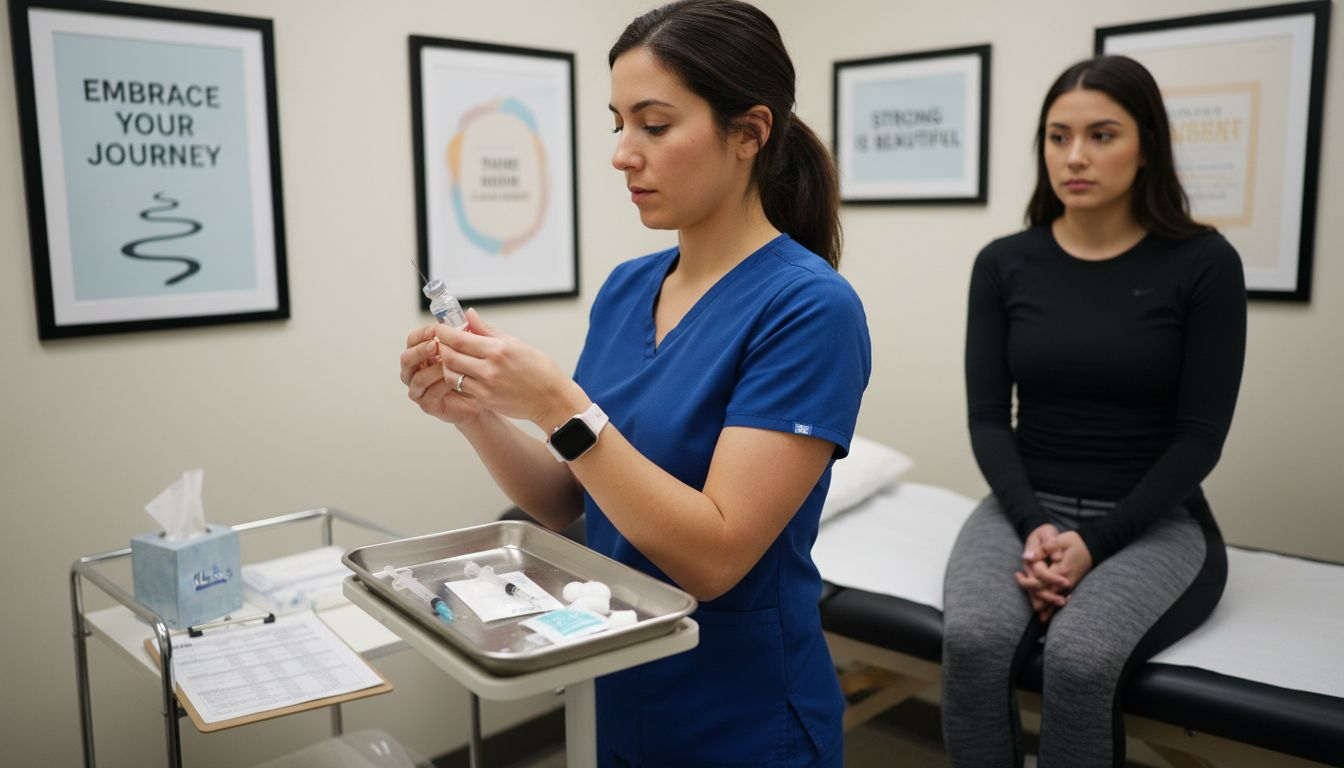
The second phase involves the egg retrieval procedure, which is typically performed under light sedation. Using transvaginal ultrasound guidance, physicians carefully extract mature eggs through a minimally invasive process. Each egg is immediately evaluated for maturity and quality before being prepared for cryopreservation. The vitrification process then rapidly freezes these eggs using advanced cooling techniques that prevent ice crystal formation, which could potentially damage cellular structures.
When a patient decides to use her frozen eggs, they are carefully thawed, fertilized through intracytoplasmic sperm injection (ICSI), and then transferred as embryos into the uterus. The number of eggs frozen depends on various factors including the woman’s age, overall reproductive health, and personal fertility goals. Multiple egg freezing cycles might be recommended to increase the probability of future successful pregnancy.
Pro tip: Consult with a fertility specialist to develop a personalized egg freezing strategy tailored to your specific reproductive timeline and health profile.
Comparing Egg Freezing to Other Options
Reproductive technology offers multiple strategies for preserving fertility, each with unique advantages and considerations. Fertility preservation methods present women with nuanced choices that extend far beyond traditional family planning approaches.
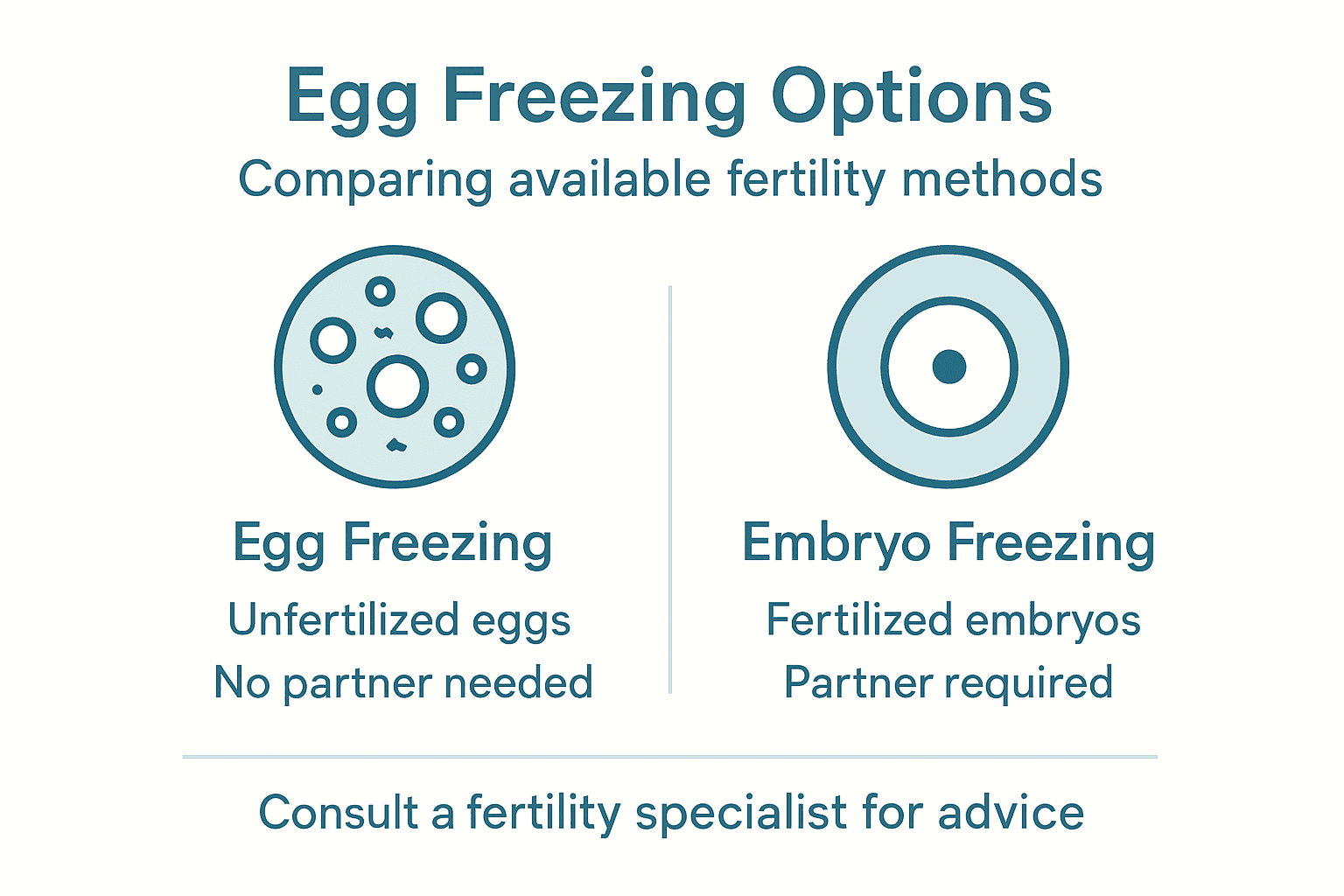
Two primary methods dominate the fertility preservation landscape: egg freezing and embryo freezing. Egg freezing provides maximum reproductive autonomy by storing unfertilized eggs, allowing women to retain complete control over future fertilization choices. This approach is particularly advantageous for single women, those without a current partner, or individuals with ethical reservations about pre-fertilization storage. Conversely, embryo freezing requires fertilization before preservation, which offers the benefit of immediate embryo quality assessment and genetic screening.
The technical differences between these approaches significantly impact potential outcomes. Egg freezing involves storing unfertilized eggs, which means fertilization potential remains unknown until thawing. Embryo freezing, by contrast, creates fertilized embryos before cryopreservation, potentially offering higher success rates but requiring a sperm source at the time of freezing. Success rates vary depending on factors like age, egg quality, and individual reproductive health. Women under 35 typically experience higher success rates with both methods, making early preservation a strategic consideration.
Additional fertility preservation options include experimental techniques like ovarian tissue freezing and emerging stem cell technologies. These advanced methods continue to evolve, offering promising alternatives for women with complex reproductive health challenges. Factors such as medical history, age, financial resources, and personal reproductive goals will ultimately guide the most appropriate preservation strategy.
Here’s a concise comparison of major fertility preservation methods:
Method | Storage Material | Partner Needed at Retrieval | Typical Use Case |
Egg Freezing | Unfertilized eggs | No | Career, health, unknown future |
Embryo Freezing | Fertilized embryos | Yes | Couples, genetic screening |
Ovarian Tissue Freezing | Ovarian tissue | No | Prepubertal, cancer patients |
Stem Cell Technologies | Developing stem cells | No | Experimental, future advances |
Pro tip: Consult a reproductive specialist to conduct comprehensive fertility testing and develop a personalized preservation strategy that aligns with your unique reproductive goals and timeline.
Risks, Side Effects, and Safety Measures
Egg freezing, while an innovative fertility preservation technique, involves potential medical risks that require careful consideration and professional medical management. Egg freezing safety considerations encompass multiple physical and physiological dimensions that prospective patients must understand thoroughly.
The hormone stimulation phase represents the primary period of potential side effects. Women typically experience temporary symptoms including bloating, mood fluctuations, and mild abdominal discomfort during ovarian stimulation. A rare but serious complication is ovarian hyperstimulation syndrome (OHSS), characterized by significant ovarian swelling and potential fluid retention. Medical professionals closely monitor patients throughout the process, utilizing ultrasound and blood tests to track hormone levels and prevent severe reactions.
The egg retrieval procedure itself carries minimal invasive risks, though potential complications can include minor bleeding, infection, or adverse reactions to sedation. Psychological impacts are equally significant, with some women experiencing emotional stress related to the procedure’s complexity and uncertain future outcomes. Comprehensive medical screening before treatment helps identify individual risk factors, allowing physicians to customize protocols and minimize potential complications. Success rates have dramatically improved with advanced vitrification techniques, which enhance egg preservation and potential future fertilization.
Long-term safety research continues to evolve, with ongoing studies examining potential correlations between egg freezing hormonal treatments and future health outcomes. Patients should engage in transparent discussions with reproductive specialists, reviewing personal medical history, genetic predispositions, and individual risk factors to make informed decisions about fertility preservation.
Pro tip: Request a comprehensive pre-procedure health assessment and maintain open communication with your reproductive specialist to understand and mitigate potential individual risks.
Costs and Long-Term Storage Implications
Fertility preservation represents a significant financial investment that extends far beyond the initial medical procedure. Egg freezing financial considerations encompass multiple layers of expenses that potential patients must carefully evaluate and plan for strategically.
The comprehensive financial landscape of egg freezing typically involves several distinct cost components. Initial expenses include the medical consultation, hormonal medication, ultrasound monitoring, and egg retrieval procedure, which collectively can range between $10,000 to $15,000 per cycle. Ongoing storage expenses add another financial dimension, with annual preservation costs averaging $500 to $1,000. These recurring fees accumulate over time, transforming egg freezing from a single medical intervention into a long-term financial commitment that requires careful budgeting and planning.
Financial mitigation strategies have emerged as more employers and insurance providers recognize egg freezing’s importance. Some forward-thinking companies now offer partial or full coverage for fertility preservation procedures, acknowledging the professional and personal challenges women face when planning future families. Additionally, certain medical financing programs and fertility clinics provide flexible payment plans, allowing patients to spread costs over extended periods. The total financial investment varies significantly based on individual circumstances, including age, reproductive health, and the number of egg freezing cycles required to achieve optimal preservation.
Long-term storage presents complex considerations beyond immediate financial implications. Technological advancements and improved cryopreservation techniques have dramatically extended egg viability, potentially allowing indefinite storage under optimal conditions. However, patients must remain proactive about maintaining storage arrangements, periodically reviewing facility protocols, and understanding the legal and ethical frameworks surrounding long-term genetic material preservation.
To help plan financially, here is an overview of main cost factors and their timeframes:
Expense Type | Typical Cost Range | Frequency | Notes |
Initial Procedure | $10,000–$15,000 per cycle | One-time per cycle | Includes meds, retrieval, storage |
Annual Storage | $500–$1,000 | Yearly | Recurring for ongoing egg storage |
Insurance/Payer | Varies by provider | Depends on coverage | Some employers offer full/partial |
Financing Options | Flexible payment plans | Case by case | Clinic or third-party financing |
Pro tip: Investigate your employer’s fertility benefits and explore medical financing options before committing to egg freezing, to develop a comprehensive financial strategy that aligns with your reproductive goals.
Take Charge of Your Fertility Journey with Advanced Egg Freezing Solutions
Understanding the importance of proactive fertility choices and the complexity behind procedures like egg freezing can feel overwhelming. The article highlights key challenges such as timing, hormone stimulation risks, and the uncertainty of egg quality. At the Rejuvenating Fertility Center in The Bahamas, we address these pain points by combining cutting-edge egg freezing techniques with innovative treatments like mitochondrial replacement and stem cell therapy to enhance egg quality and improve outcomes for women facing fertility preservation decisions.
Don’t let uncertainty hold you back from securing your reproductive future. Explore how personalized care led by Dr Zaher Merhi, a pioneer in reproductive medicine, can improve your chances of success through our advanced reproductive treatments. Visit Rejuvenating Fertility Center today and schedule your comprehensive fertility consultation. Act now to benefit from the latest science in egg freezing and ovarian rejuvenation tailored to your unique needs.
Frequently Asked Questions
What is egg freezing and how does it work?
Egg freezing is a fertility preservation method that involves extracting, freezing, and storing a woman’s unfertilized eggs. The process includes ovarian stimulation with hormones, egg retrieval under sedation, and cryopreservation using a technique called vitrification to preserve the eggs for future use.
Who can benefit from egg freezing?
Candidates for egg freezing include women facing medical treatments that may affect their fertility, those focusing on career advancement, single women without a partner, and those with genetic conditions that impact reproductive health. It is advisable to freeze eggs before age 40 for optimal results.
What are the risks associated with egg freezing?
While generally safe, egg freezing carries risks such as ovarian hyperstimulation syndrome (OHSS) due to hormone stimulation and potential complications from the egg retrieval procedure. Psychological effects and emotional stress may also occur, emphasizing the importance of thorough pre-procedure assessments.
How much does egg freezing cost, and what are the long-term implications?
The initial cost for egg freezing can range from $10,000 to $15,000 per cycle, with annual storage fees averaging $500 to $1,000. Women should consider long-term financial planning, as ongoing storage can lead to significant cumulative costs over time.
Recommended
Comments